
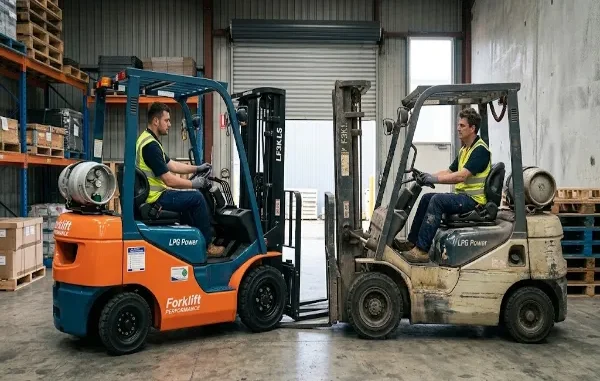
Every LPG forklift performs beautifully on day one. Consistent power, quick refuelling, smooth handling, exactly what you paid for. The real question is what that same machine looks like three years and several thousand hours later, and whether it’s still delivering the same performance or quietly losing ground without anyone noticing until it’s a real problem.
A few specific factors tend to explain the difference between an LPG forklift that’s still running strong years in, and one that’s started to feel tired well before it should.
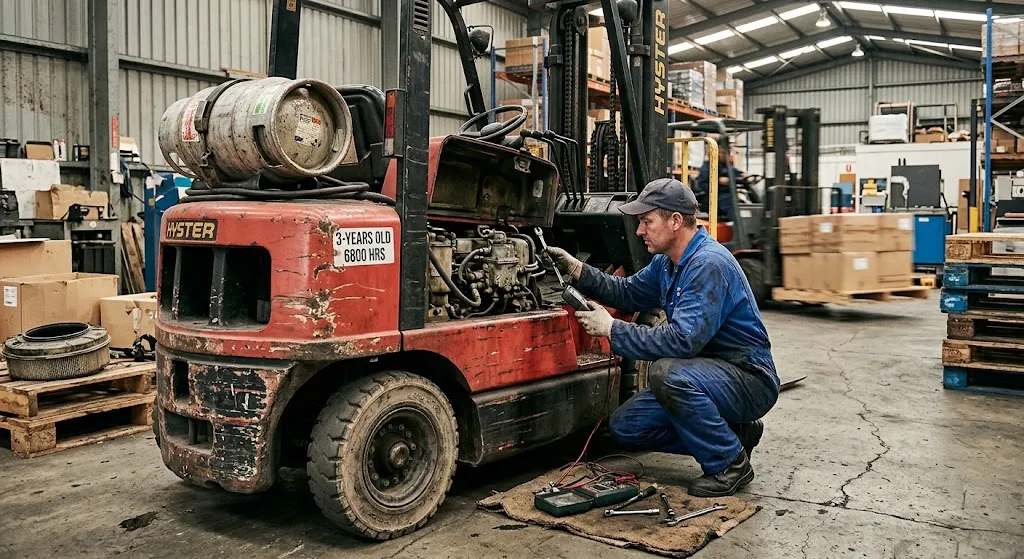
Fuel System Wear and Maintenance
The fuel system is where LPG performance issues most commonly start. As time goes by, certain parts such as the vaporiser, regulator, and fuel lines get worn out, but if the servicing is not done on time, this wear and tear accumulates. A forklift driven on a poorly maintained fuel system will certainly exhibit this problem either by showing some power inconsistency, rough idling, or reduced acceleration.
Maintenance done with a specific focus on the fuel system is what will keep this problem from sneaking up on you without you noticing and thus turning into a proper forklift repair task.
Operating Environment and Conditions
Where an LPG forklift works has a real, cumulative effect on its performance over time:
- Dusty or dirty environments put extra strain on air filters and intake systems, and neglecting replacement schedules accelerates wear considerably
- Extreme temperatures, particularly cold conditions, can affect LPG vaporisation and starting performance if the system isn’t properly maintained for the climate
- Rough or uneven ground adds wear to tyres, suspension components, and the mast over time, even when the fuel system itself is in good shape
- Continuous multi-shift use naturally accelerates wear across every component compared to lighter, single-shift operation
None of these conditions are avoidable for most businesses, but understanding their effect helps set realistic expectations for servicing frequency rather than sticking to a generic schedule that doesn’t match how the machines used.
Quality of Routine Maintenance
Not all servicing is created equal, and this is often the single biggest factor separating a forklift that ages well from one that doesn’t. A forklift serviced consistently, oil changes, filter replacements, fuel system checks, tyre and brake inspections, tends to hold its performance far longer than one serviced only reactively, once something’s already gone wrong.
Skipping or delaying routine maintenance doesn’t just risk a bigger repair bill later. It tends to cause a slow, gradual decline in everyday performance, reduced lifting power, less responsive handling, that’s easy to attribute to “just getting older” when it’s a maintenance gap that could have been avoided.
Operator Habits and Handling
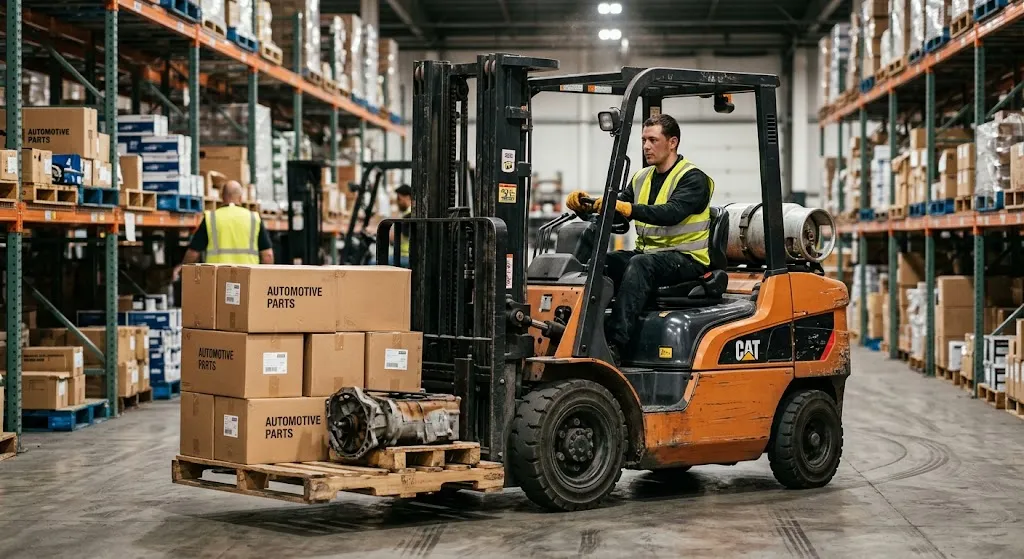
How a forklift is driven day to day affects its long-term condition more than most people expect. Harsh acceleration, abrupt braking, and rough handling of the mast all add unnecessary strain to components that are built to last but not necessarily built to withstand consistently aggressive use.
Operators who understand the machine and drive it accordingly tend to get considerably more reliable performance out of the same equipment compared to a forklift handled carelessly, even when both machines follow an identical servicing schedule on paper.
Age of Key Components
Certain parts naturally wear regardless of how well a forklift is maintained overall. Tyres, hoses, seals, and battery components (on hybrid or electric-assisted models) all have a genuine working lifespan, and even excellent maintenance can only extend that lifespan so far.
Recognising when these components are approaching the end of their useful life, rather than waiting for outright failure, keeps performance more consistent and avoids the kind of unplanned downtime that catches businesses off guard.
Keeping Performance Consistent Over Time
The good news is that most of what affects an LPG forklifts’s long-term performance is genuinely manageable with the right approach:
- Stick to a proper servicing schedule, with particular attention to the fuel system specifically
- Match maintenance frequency to actual operating conditions, not just a generic manufacturer timeline
- Train operators on proper handling, since driving habits genuinely affect component wear over time
- Replace wearing components proactively, rather than waiting for a failure to force the issue
Businesses that stay on top of these factors tend to get years of consistent, reliable performance from their LPG fleet, while those that let servicing slide often find themselves facing costly, avoidable forklift repair work far sooner than they should.
Getting Ahead of Performance Decline
An LPG forklifts need not suffer loss in performance due to its age. Most problems that organisations face arises due to lack of maintenance, environmental effects, and practices, and all of this is completely in your hands.
Plan of time with respect to maintenance, be aware of the environmental impact on the equipment, and a properly maintained LPG forklifts will last you for many more years to come.
Related posts:
 How Dechecker AI Checker Turns Awkward Drafts Into Human-Readable Content
 The Complete Guide to Using Telegram for Secure and Smart Communication
 The Chemistry Behind Firefighting Foam: How Surfactants Make Fire Suppression Work
 Dell Latitude 5540 Performance Tested: Can It Handle Your Workflow?
 Best Traction Tools for Lifted Jeeps & SUVs on the Trail
Leave a Reply