
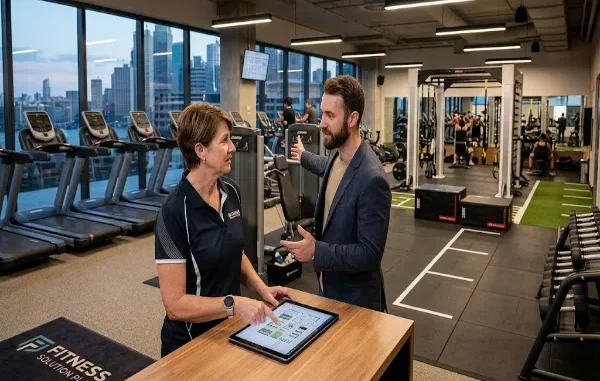
Purchasing commercial gym equipment rarely as simple as selecting the machines that appear best on the showroom floor. For gym owners, the bigger difficulty is ensuring that those devices operate together to create a practical, profitable, and long-lasting training environment.
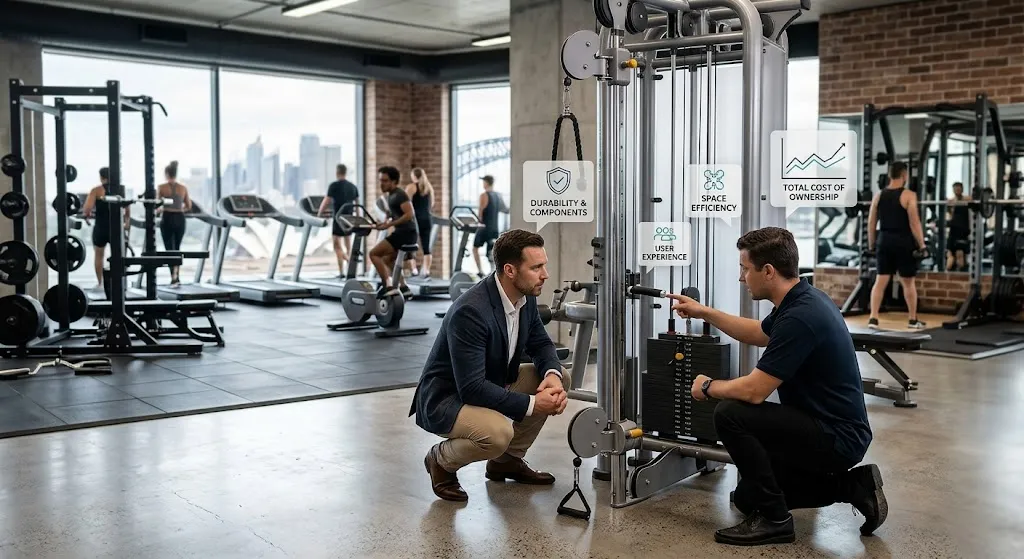
The obvious variables, such as pricing, features, and brand reputation, are important. However, certain less obvious factors can have a greater impact on the long-term worth of your investment.
1. Your Floor Plan Matters More Than You Think
A machine can be good paper but be the incorrect choice for your facility if it does not fit the available space.
Before choosing commercial gym equipment, consider more than just the footprint specified in the product specifications. Think about:
- Clearance around moving equipment
- Member traffic and walkways
- Equipment spacing
- Ceiling height
- Positioning of power and other services
- Areas required for cleaning and maintenance
This becomes especially crucial crowded metropolitan settings. A gym looking for gym equipment Sydney, for example, may be dealing with a limited space where every square metre must earn its keep.
A well-planned floor can enhance the member experience without requiring more equipment.
2. Member Usage Should Drive Equipment Selection
The best equipment isn’t always the most. This is the equipment that your members will really utilise.
A performance centre serving athletes will have very different needs than a boutique studio focusing on small-group training. Similarly, a major commercial gym must consider peak-hour demand, equipment lineups, and the diversity of exercise preferences among its members.
Look at your existing usage patterns and ask:
Who will use this equipment, how often, and for what type of training?
That simple assessment can prevent expensive purchases that spend more time sitting idle than being used.
3. Durability Goes Beyond a Heavy Frame
Commercial equipment must withstand constant usage, often by multiple users throughout the day. However, durability is more than just how hefty or substantial a machine feels.
Consider the quality of the components, adjustability, moving parts, upholstery, cables, bearings, and other places that are subject to regular wear.
Maintenance requirements are also important. Equipment that is difficult to service might result in unnecessary downtime and operational issues.
For a commercial facility, a machine that remains operational and operates regularly is significantly more useful than one that only appears amazing when first installed.
4. The Cost of Ownership Starts After Installation
The purchasing price is simply a portion of the investment.
Gym owners should assess the total cost of ownership, which includes installation, service, replacement parts, maintenance, and unexpected downtime.
This is where evaluating equipment only based on upfront cost can be misleading. Two machines may have comparable characteristics but very differing long-term costs.
A effective technique to evaluate an investment is to consider its estimated lifespan, usage levels, and maintenance requirements in addition to the initial purchase price.
5. Equipment Should Work as a System
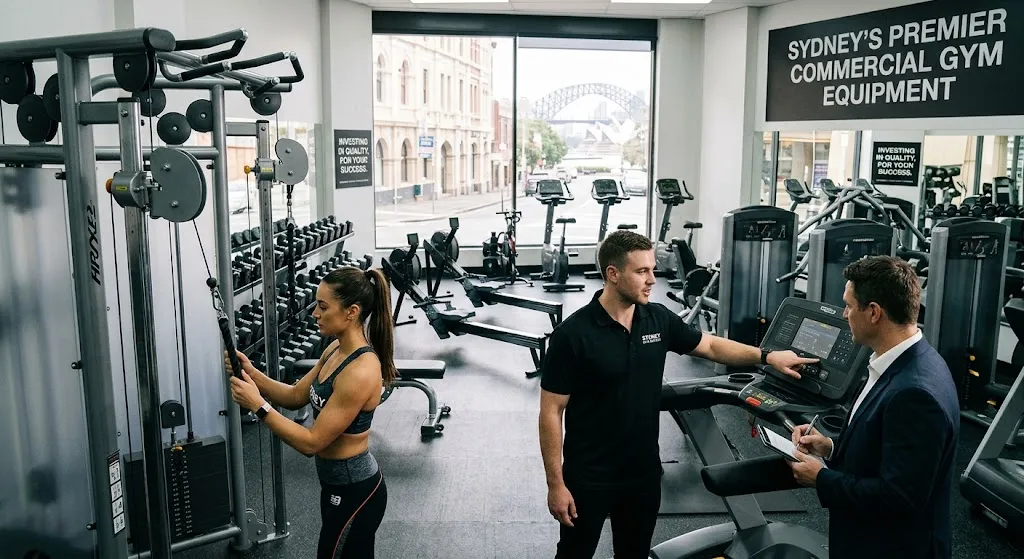
A commercial gym isn’t just a collection of random machines. The equipment must function together.
Strength equipment, functional training spaces, conditioning machines, and performance equipment should all be designed to accommodate the movement of members and instructors across the facility.
For example, placing popular equipment in isolated sections can cause unneeded traffic, but poor zoning can make a well-equipped gym feel difficult to navigate.
Good equipment selection takes into account the entire training environment, rather than simply particular products.
6. Think About What Happens When Your Gym Grows
A gym equipment investment should not only meet today’s needs.
Consider how your facility might grow over the next few years. Will membership grow? Will you offer personal training or small-group sessions? Could you expand into sports performance?
Choosing equipment with flexibility and future use in mind will help you avoid costly replacements later.
That does not imply purchasing everything at once. It entails developing an equipment strategy that allows for sensible growth.
7. Support Can Be Just as Important as the Equipment
Even high-quality equipment requires continual support. Before making a major purchase, understand what happens after it delivers.
Enquire about installation, maintenance, spare parts, warranty coverage, and technical assistance. These small details are easy to miss when comparing items, but they become extremely important when a machine need upkeep.
In a busy facility, reducing downtime is part of protecting the initial investment.
Make the Investment Work Harder
Choosing commercial gym equipment is both a business and an equipment decision.
The proper option takes into account space, member behaviour, longevity, maintenance, potential growth, and how each element fits into the overall facility.
The most successful equipment investments are rarely based on one standout machine. They result from picking the appropriate equipment for the people, place, and business it must serve.
That is what transforms a gym full of equipment into a gym that functions.
Related posts:
 Essential Metrics to Evaluate Before Investing in Oil
 How to Maximize Employee Motivation with Branded Reward Cards
 Why Your Business Needs a Strong Mission Statement
 How Verified Consultants Can Help You Close Office Deals Faster in Bangalore
 How Maya Thompson Turned $100 Into a Million-Dollar Empire
Leave a Reply