A diverse family of three sits supportively together in a sunlit Austin, Texas counseling office, engaged in conversation with a compassionate African American therapist who is taking notes. A tablet on the table displays a map of Texas.

What Families Should Know About Addiction Treatment

27 June 2026 Ana Milojevik 0

Supporting a loved one through addiction can be challenging, but understanding the treatment process makes a difference. This guide explains how families can approach conversations about rehab, evaluate treatment programs, participate in recovery, and provide meaningful support while maintaining healthy boundaries.

A diverse group of adults participating in a trauma-informed therapy session, sitting in a circle of armchairs in a bright, welcoming room. A middle-aged woman is speaking earnestly to an older male therapist holding a clipboard, while a whiteboard in the background lists "Understanding Trauma," "Coping Mechanisms," and "Recovery."

How Trauma Shapes the Path to Addiction and Recovery

27 June 2026 Ana Milojevik 0

Trauma is often a driving force behind substance use disorders, shaping how the brain responds to stress and emotional pain. This article explores the connection between trauma and addiction, explains why trauma-informed care is essential, and highlights evidence-based therapies that support lasting recovery and healing.

A male patient in his 40s resting in a hospital bed looks up and smiles at a supportive female nurse wearing blue scrubs. The nurse is gently checking his IV line in a bright, clean clinical room equipped with vital sign monitors, an IV stand, and a wall poster titled "Supporting Your Recovery."

The Science of Withdrawal: What Happens When the Body Detoxes

27 June 2026 Ana Milojevik 0

Withdrawal is a natural response as the brain and body adjust to the absence of addictive substances. This article explains the science behind detox, outlines withdrawal symptoms by substance, compares inpatient and outpatient detox, and highlights why ongoing treatment after detox is essential for lasting recovery.

A four-panel infographic illustrating the continuum of addiction treatment care from left to right: standard outpatient check-in, a partial hospitalization program (PHP) therapy session, an intensive outpatient program (IOP) group workshop, and inpatient residential care in a comfortable room. A blue and green wave graphic with arrows runs along the bottom to show progression.

Understanding the Levels of Care in Addiction Treatment

27 June 2026 Ana Milojevik 0

Choosing the right level of addiction treatment can significantly impact recovery outcomes. This guide explains the continuum of care—from medical detox and residential treatment to outpatient programs—along with evidence-based therapies, aftercare planning, and key questions to ask when selecting the best treatment program.

A diverse group of five people sitting in a circle of armchairs during a recovery support meeting in a sunlit, cozy room with motivational posters on the wall.

How to Build a Support System That Sustains Recovery

27 June 2026 Ana Milojevik 0

Recovery is stronger when supported by meaningful relationships, professional care, and healthy routines. This guide explains how to build a reliable support system through therapy, peer groups, family connections, sober communities, and structured daily habits to reduce relapse risk and promote long-term recovery.

Why Daily Nutritional Support Is Now a Staple in Indian Hair Routines

25 June 2026 Ana Milojevik 0

Hair health begins from within, and more Indians are recognizing the importance of daily nutritional support as part of their hair care routine. Modern diets, lifestyle stress, and nutrient deficiencies can contribute to hair thinning and increased shedding, making internal nourishment just as important as topical treatments. This article explores the key nutrients that support healthy hair growth, why nutritional gaps affect follicle health, and how consistent supplementation is becoming an essential part of long-term hair wellness strategies.

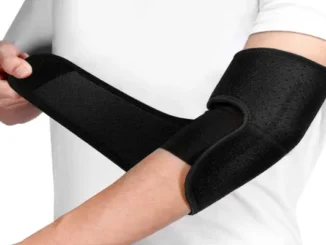
Joints Still Hurting Long After Injury? This Might Ease Your Pain

23 June 2026 Ana Milojevik 0

Old joint injuries can continue to cause pain long after healing due to post-traumatic arthritis and ongoing inflammation. This article explains the main causes of lingering joint pain and shares simple, practical ways to reduce discomfort, improve mobility, and support long-term joint health through exercise, nutrition, and lifestyle changes.