
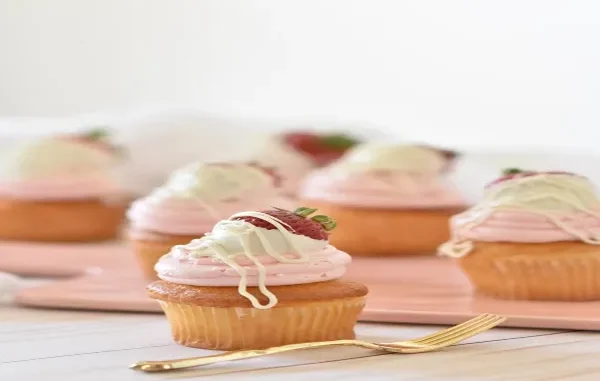
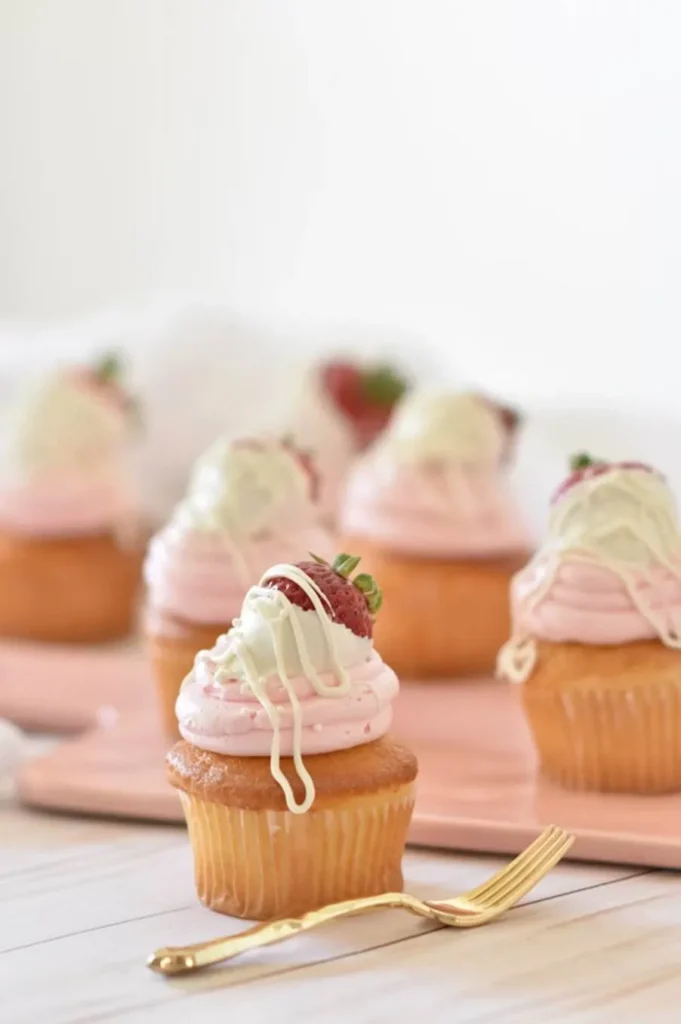
Cupcakes look like the easiest thing in the world to bake. Small, quick, forgiving — what could go wrong? Quite a lot, as it turns out. Most home bakers have a freezer story about a batch that came out dense, sunken, dry, or strangely peaked, and in nearly every case the culprit was a small habit they didn’t even know was a mistake.
The gap between a homemade cupcake and one from a professional bakery is rarely about secret recipes. Specialist bakeries like thecupcakeroom.com.au have spent years refining the same fundamentals — ingredient temperature, mixing time, oven behaviour — that home bakers tend to rush past. The good news is that once you know where things go wrong, the fixes are simple. Here are ten mistakes worth checking against your own routine.
1. Using cold ingredients straight from the fridge
Most cupcake recipes assume room-temperature butter, eggs, and milk, even when they don’t say so explicitly. Cold butter won’t cream properly, which means less air gets beaten into the batter, which means denser cupcakes. Cold eggs can cause the creamed butter and sugar to seize and curdle. Take everything out of the fridge 30 to 60 minutes before you start. If you forget, sit the eggs in a bowl of warm water for ten minutes — it makes more difference than almost anything else on this list.
2. Measuring flour by scooping the cup into the bag
Dragging a measuring cup through a bag of flour compacts it, and you can end up with 20 to 30 per cent more flour than the recipe intended. That extra flour is the single most common cause of dry, heavy cupcakes. Either weigh your flour with kitchen scales — the most reliable option by far — or spoon it loosely into the cup and level it off with a knife. Never tap or shake the cup to settle it.
3. Overmixing the batter
Once the flour goes in, every extra turn of the mixer develops more gluten, and gluten is great in bread but terrible in cupcakes. Overmixed batter produces tough, chewy cupcakes with tunnels running through the crumb. Mix only until the last streaks of flour disappear, then stop. A few small lumps are fine. If your recipe calls for folding in the dry ingredients by hand at the end, that instruction exists for exactly this reason.
4. Trusting the oven dial instead of an oven thermometer
Home ovens lie. It’s common for an oven set to 180°C to actually run anywhere from 160°C to 200°C, and that variance explains a huge amount of mystery cupcake behaviour. Too hot and the cupcakes rise violently, peak in the middle, and crack. Too cool and they spread, sink, and turn gummy. A cheap oven thermometer costs less than a dozen eggs and removes the guesswork permanently.
5. Opening the oven door too early
It’s tempting to check on the batch halfway through, but opening the door drops the oven temperature sharply at the precise moment the cupcakes are setting their structure. The result is the classic sunken middle. Resist looking until at least three quarters of the bake time has passed, and rely on the oven light if you have one. When you do test, a skewer should come out with a few moist crumbs — fully clean usually means slightly overbaked.
6. Overfilling the cases
Filling cupcake cases to the brim feels generous, but it guarantees batter spilling over the tin, mushroom tops, and uneven baking. Two-thirds full is the standard for a reason: it leaves room for the rise and produces a gently domed top that’s easy to ice. An ice cream scoop with a release lever gives consistent portions and means every cupcake in the batch finishes baking at the same time.
7. Icing cupcakes before they’ve fully cooled
This one ruins more cupcakes than any baking error. Even slightly warm cupcakes will melt buttercream into a sliding, greasy layer, and trapped steam underneath makes the tops sticky. Cupcakes need to cool in the tin for five minutes, then on a wire rack until completely cold — usually a full hour. If you’re short on time, the fridge can finish the job, but never ice anything warm to the touch.
8. Getting the buttercream consistency wrong
Buttercream that’s too soft slumps off the cupcake; too stiff and it tears the top as you spread it. The usual causes are butter that’s too warm, not enough beating time, or eyeballing the icing sugar. Beat the butter alone for several minutes until pale before adding anything else, add icing sugar gradually, and adjust at the end with a teaspoon of milk at a time. In warm Australian weather, a short stint in the fridge before piping saves a lot of frustration.
9. Storing them in the fridge uncovered
The fridge is the fastest way to stale a cupcake. Cold air dries out the crumb within hours, and an uncovered cupcake absorbs whatever odours are nearby. Unfilled, iced cupcakes are best kept in an airtight container at cool room temperature for up to two days. If refrigeration is unavoidable — cream cheese icing, hot weather — use a sealed container and bring them back to room temperature before serving. The texture difference is dramatic.
10. Ignoring allergies and dietary needs when baking for others
This is the mistake with the highest stakes. Cross-contamination is easy in a home kitchen — a shared wooden spoon or chopping board can carry traces of nuts or gluten — and “I left the nuts out” isn’t enough for someone with a serious allergy. If you’re baking for a school event, office morning tea, or a party with guests you don’t know well, ask about allergies first. When genuine allergen control matters, a dedicated nut-free or allergy-aware bakery is the safer route, since their entire kitchen is managed around it.
The takeaway
None of these mistakes are about skill. They’re habits — and habits can be swapped. Pick the two or three that sound most familiar, fix those first, and your next batch will be noticeably better. Room-temperature ingredients, properly measured flour, and a patient cooling rack will get you most of the way to bakery-quality cupcakes without changing a single recipe.





Leave a Reply