
When someone is arranging a cremation for a loved one, it’s rarely at a time when there’s much energy left for research. Decisions need to be made fairly quickly, often while still processing the loss itself, and the funeral industry isn’t always easy to navigate at the best of times, let alone during a moment like this.
Having a general understanding of what’s available, before those conversations start, can make the process feel a little less overwhelming. There’s no single right way to farewell someone, and the options available generally fall into a few broad categories. What suits one family may not suit another, and that’s completely normal. Here’s a gentle overview of what those choices typically look like, and a few things worth knowing as you think through what feels right.
Direct Cremation: The Simplest Option
A direct cremation is the most straightforward option available, and for many families, it’s also the most practical. It typically includes the transfer of the person from the place of passing, whether that’s a hospital or elsewhere, mortuary care, the cremation itself, and all the necessary documentation and permits, without a formal service attached.
This option tends to suit families who prefer a simple, low-key approach. Some plan to hold their own memorial separately at a later date, in their own way and own time, perhaps gathering at home, at a favourite location, or somewhere that held meaning for the person who has passed. Others choose this option simply because it’s the most straightforward path through what can otherwise feel like an overwhelming number of decisions.
It’s worth knowing that choosing a simpler option doesn’t mean choosing something less meaningful. For a lot of families, the meaning comes later, in how they choose to remember and gather, rather than in the formal arrangements immediately following a loss.
Cremation With a Service
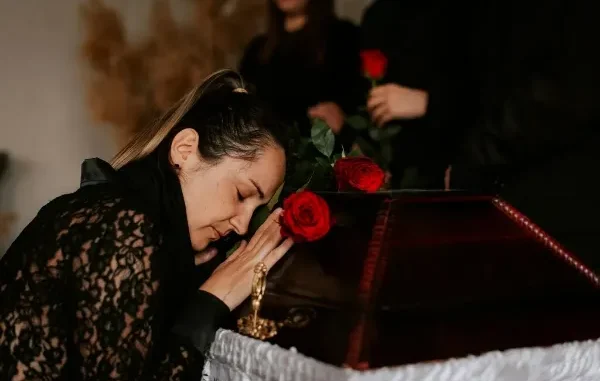
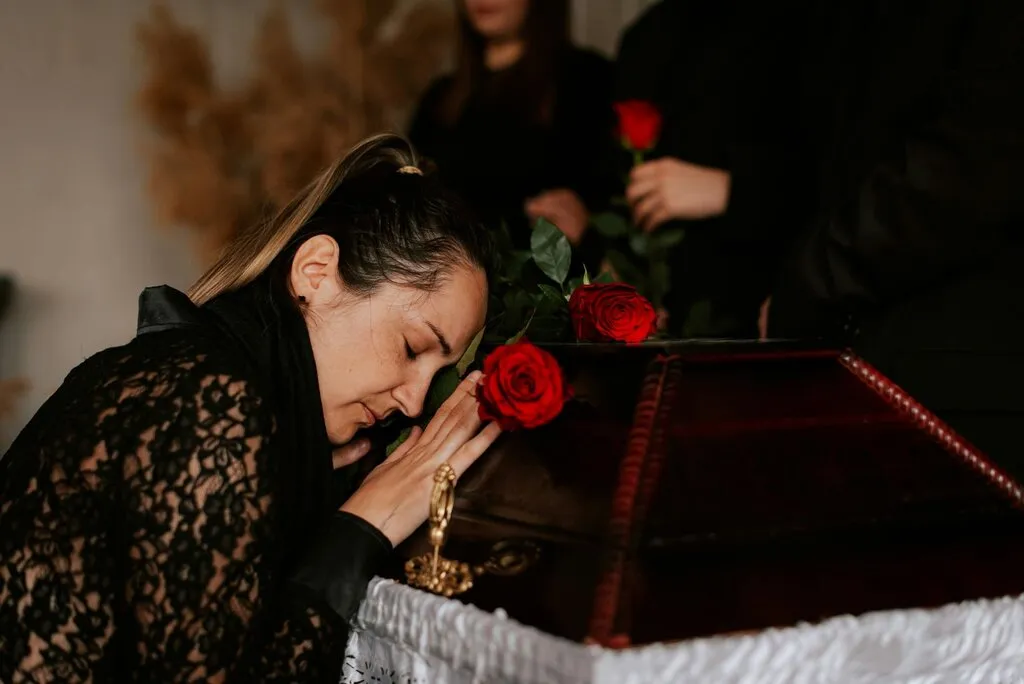
For families who want a more traditional farewell, a cremation with a service, sometimes called a chapel cremation, includes a formal gathering before the cremation takes place. This usually involves a service in a chapel, time for family and friends to attend, and additional touches like floral arrangements, a memorial guest book, and a photo display or presentation that reflects something of the person’s life.
When researching sydneymemorialcremations.com, it’s worth noting that this option provides much of the structure of a traditional funeral, a coffin, a service, time to gather as a community, while still being built around cremation rather than burial. For many families, this offers a meaningful middle ground. It’s a proper opportunity to say goodbye together, with the familiar rituals that many people find comforting, while often costing less overall than a full burial service.
This option can also be helpful for families who are spread across different locations, since it gives everyone a defined time and place to come together, rather than leaving things open-ended.
Memorial Choices After Cremation
Once a cremation has taken place, families often have time to consider what feels right for the ashes, and there’s no need to rush this decision. Some choose to keep them at home, others prefer scattering in a place that held meaning for their loved one, and some choose to do both, dividing ashes between family members or between a keepsake and a scattering.
For families drawn to something more personalised, there are options like sea scattering, using a biodegradable urn designed specifically for this purpose, or memorial scattering in a natural setting such as a garden or bushland area. These choices can offer a sense of ceremony separate from the cremation itself, and can sometimes be planned for a later date, once family members have had more time to gather, or simply more time to come to terms with their loss.
There’s also no obligation to decide everything at once. Many families find it helpful to take care of the cremation itself first, and revisit decisions about ashes and memorials once the immediate arrangements are behind them.
Questions Worth Asking Any Provider
Regardless of which option feels right, there are a few questions worth asking any funeral provider early on, even if it feels like an awkward thing to ask during such a difficult time.
What’s included in the quoted price, and what might be additional? Funeral pricing can sometimes be presented in a way that makes comparison difficult, so it’s worth asking for a clear breakdown. Is the provider available when needed, including outside of normal business hours, since these things don’t always happen on a convenient schedule? And are they handling the care of your loved one in-house, or outsourcing parts of the process to another company?
None of these questions are unreasonable to ask, and a provider who’s used to supporting grieving families should be able to answer them clearly and without pressure. Asking these questions upfront, even briefly, can help families feel more confident about what they’re arranging and what to expect, both practically and financially.
There’s No Single Right Choice
Every family’s situation is different, and what matters most is finding an option that feels right, practically and personally, for the person being farewelled and the people left behind. Whether that’s something simple and private, a traditional service with family and friends gathered together, or a more personalised farewell planned for a later date, the right choice is simply the one that fits.
There’s often a temptation, especially in the early days, to feel like there’s a “proper” way these things are meant to be done. In reality, the families who look back feeling most at peace with their decisions are usually the ones who chose what genuinely felt right for them, rather than what they felt they were supposed to choose.





Leave a Reply