
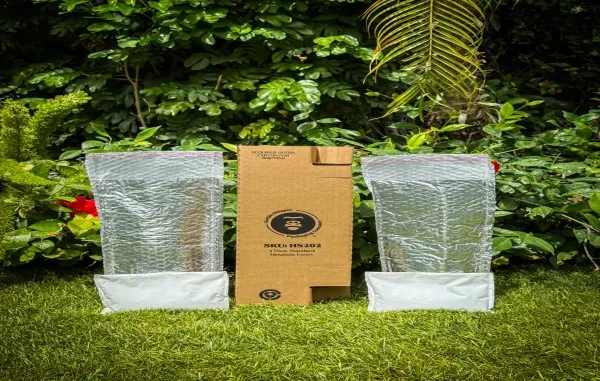
The Risks of Shipping Liquor and How Packaging Helps
Liquor bottles carry more risk than most products going through carrier networks. The glass is heavy, the contents are liquid, and the regulatory environment around alcohol shipping adds a layer of liability that most other categories don’t have to deal with. Get the packaging wrong and you’re not just looking at a damage claim. You’re looking at a leak that contaminates surrounding packages, a compliance issue with the carrier, and a customer who receives something completely unacceptable.
Breakage is the most obvious risk. Thick-walled spirit bottles feel durable in the hand but they don’t flex under impact the way plastic does. A hard drop or a sustained vibration transfers force directly to the glass. And in a carrier hub environment, both of those happen more than anyone shipping fragile products would like to accept.
Leakage is the secondary risk and often the more expensive one. A broken bottle destroys one order. A leaking bottle can damage an entire pallet. For businesses shipping at any kind of volume, that’s a scenario the packaging needs to prevent before it happens, not a situation to manage after the fact.
Proper packaging is also part of carrier compliance for alcohol shipments. USPS, FedEx, and UPS all have specific requirements for fragile glass in their networks. Meeting those requirements isn’t optional. It’s what keeps your shipping account in good standing.
Key Features of Reliable Liquor Shipping Boxes
The outer carton and the internal protection system are separate problems that need to be solved together.
On the carton side, double-wall corrugated is the right specification for spirit bottles. Heavier than standard wine, taller, and often with a higher center of gravity, liquor bottles put more structural demand on the packaging than lighter glass containers. Double-wall corrugated handles the compression from stacking and the lateral impact from drops in a way single-wall can’t consistently match.
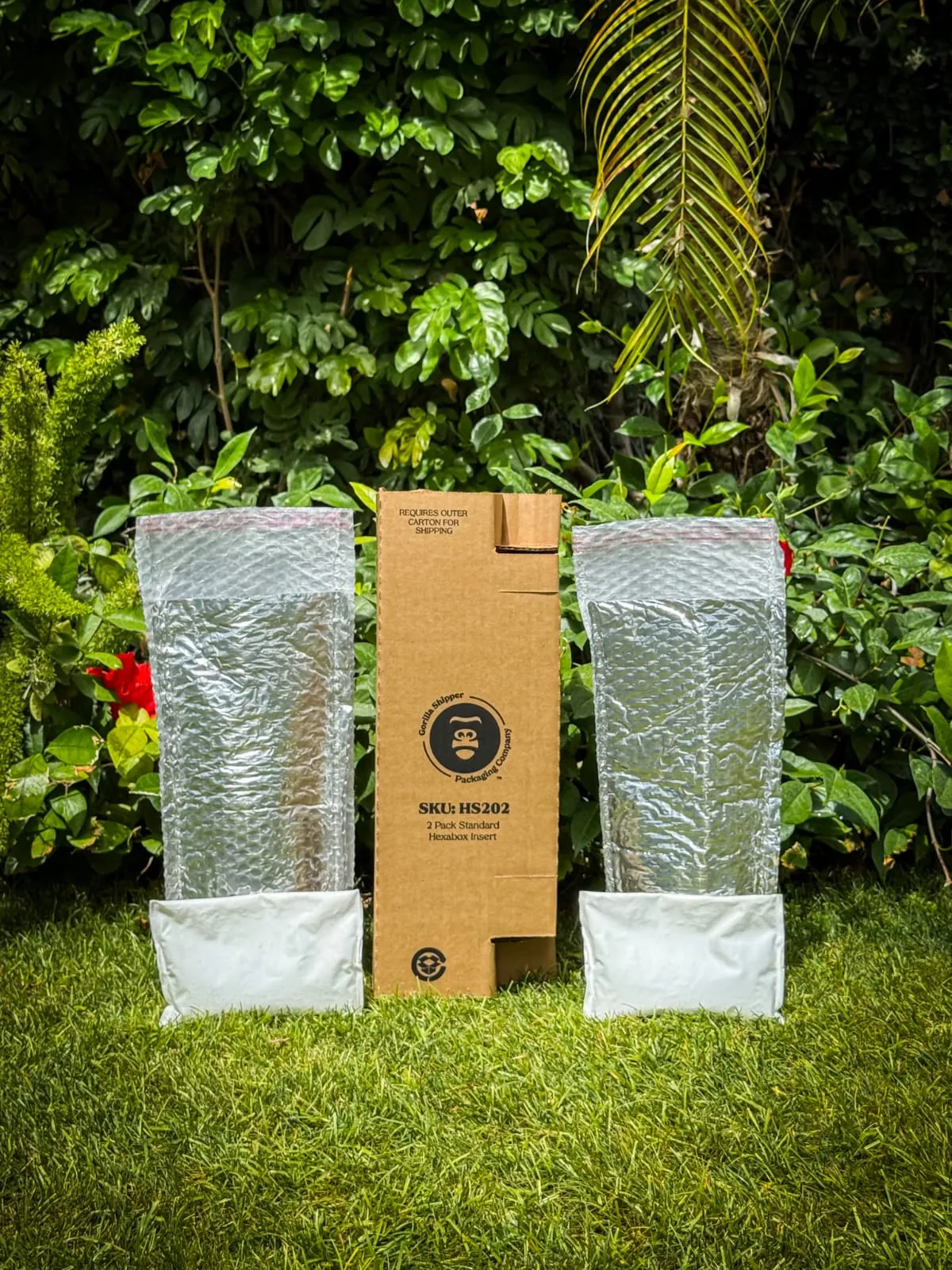
The insert system is where liquor shipping boxes do most of the real work. Dividers or molded inserts that hold each bottle individually are what prevent bottle-to-bottle contact during transit. That contact, even at low impact levels, generates enough force to crack glass over a long route. Each bottle needs to be isolated, fixed in position, and cushioned against the walls of the carton.
Foam inserts are particularly effective for spirit bottles because they provide both cushioning and a snug fit across a range of bottle shapes. Tall bottles, wide-shouldered bottles, irregular formats. Foam accommodates the variation that corrugated dividers sometimes struggle with. For temperature-sensitive products, foam also adds thermal insulation as a secondary benefit.
Secure closures complete the system. Reinforced base construction handles the weight of heavy glass without compromising under the pressure of stacking. Hand holes make the package safer to handle at every point in the fulfilment and delivery chain.
Certifications That Ensure Safe Liquor Transport
Certification is the difference between packaging that’s described as durable and packaging that has been tested to prove it.
ISTA 6-FedEx-A is the standard that matters most for carrier-network shipping of fragile glass. It’s an independent test protocol that puts packaging through drop simulation, vibration, compression, and atmospheric pressure testing that replicates real parcel network conditions. Packaging that passes carries documented proof of performance. Packaging that doesn’t have any equivalent claim.
For businesses shipping liquor through FedEx, UPS, or USPS, certified packaging reduces damage claims because the protection is engineered to the actual conditions the package will face. It also reduces liability exposure. When a damage claim does occur, certified packaging gives you something to point to. Uncertified packaging gives you nothing.
Gorilla Shipper’s Hexabox carries ISTA 6-FedEx-A certification. The patented hexagonal corrugated structure distributes impact force evenly around the bottle rather than concentrating it at any single point, and the certification confirms that performance under standardized test conditions.
For distilleries and spirits brands shipping DTC or through wholesale distribution, certification isn’t a premium consideration. It’s a baseline requirement for operating reliably in major carrier networks.
Sustainable Packaging Trends in Liquor Shipping
Premium spirits brands have built their identity around quality. The packaging that arrives at the customer’s door either reinforces that identity or contradicts it. Foam-heavy, single-use plastic-lined boxes are increasingly out of step with where premium brand perception sits.
Corrugated cardboard is the most recycled packaging material in the world and the natural replacement for plastic-dependent formats. It’s accepted in curbside recycling programs, biodegradable, and significantly lighter than most plastic alternatives, which reduces shipping weight and carrier cost over time. For brands making the switch, the operational case and the brand case point in the same direction.
Molded pulp inserts made from recycled paper are the sustainable alternative to expanded polystyrene and perform comparably on protection for standard shipping routes. The entire package, corrugated outer carton and pulp insert system, becomes recyclable end to end. No components to separate, no foam going to landfill.
Consumer expectations in the spirits category are moving fast on this. A brand that communicates craft, quality, and provenance through its product needs the delivery experience to be consistent with that story. The box is part of the product when it arrives at someone’s door.
Customizing Liquor Shipping Boxes for Branding and Protection
Custom packaging for spirits brands is a balance between structural performance and brand presentation. The protection specification has to come first. A beautifully printed box that doesn’t protect the bottle is a worse outcome than a plain box that delivers it intact.
That said, corrugated printing has become significantly more accessible. Custom colors, brand logos, and printed messaging are available at order volumes that are realistic for growing spirits brands, not just large-scale distillery operations. The per-unit cost of custom printing comes down as volume goes up, which means the economics improve naturally as the business scales.
For brands earlier in their growth, the more practical approach is plain corrugated with branded inserts, tissue, or a custom label on the outside. The unboxing experience can be elevated without committing to full custom printing minimums. Inner presentation, the tissue, the insert card, the way the bottle sits in its cradle, often matters more to the customer than what the outside of the box says.
The structural spec shouldn’t change based on the branding decision. Double-wall corrugated, fitted inserts, secure closures. Those stay constant whether the box is plain or fully branded.
FAQs
Liquor shipping boxes are protective packaging systems used for transporting glass spirit boxes. The best part about these boxes is that they come with outer corrugated cartons and inserts, so they can prevent breakage, contact, and movement during shipping.
Bottles break in transit because of movement and rough handling. Shipping boxes in this case absorb all the external compression and impact, and the insert system holds each bottle individually.
Yes, if you pick up ISTA 6-FedEx-A certified boxes, then you don’t have to worry about long distance shipping. These boxes are tested against all the long-distance shipping conditions like drop, vibration, compression, and atmospheric pressure.
Double-wall corrugated cardboard is usually used for spirit bottles. For internal protection, options available are molded pulp inserts, corrugated dividers, and foam inserts.
Yes you can recycle liquor shipping boxes as they are made from corrugated cardboard. Also, the molded pulp inserts used for stacking the bottles inside the box are recyclable.
Yes, for high volume orders, brands can do branding on the boxes itself, for example, they can print their logo. To give a premium unboxing experience, brands can even do branding on the inner packaging.
Distilleries and spirits brands are the primary users. But the same protective packaging systems are also used by wineries shipping higher-ABV products. Craft cocktail brands, specialty food producers are also some of the industries that rely heavily on liquor shipping boxes.
Related posts:
 Navigating Economic Collapse Blog
 What Is a Road Trading Strategy? A Trend Method for FX Beginners
 Refinancing Your Home Loan After RBI Rate Cuts: A Smart Way to Save
 Building a Scalable Business Through Accelerator Mentorship and Capital
 How Charter Bus Rentals In Brooklyn Improve The Group Travel Experience
Leave a Reply