
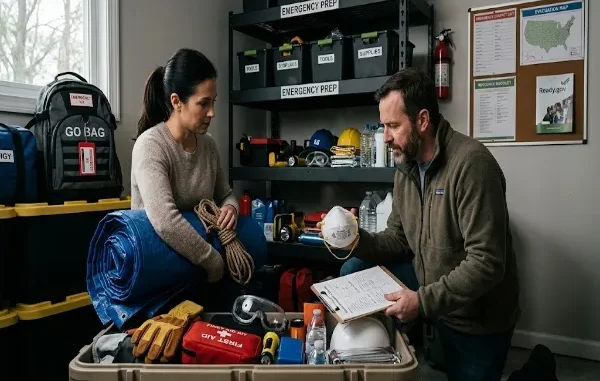
When disaster strikes through severe weather, industrial accidents, or public health emergencies, the difference between safety and vulnerability often comes down to preparation. You have likely heard the phrase “hope for the best, prepare for the worst,” yet many individuals and organizations underestimate the critical role that protective materials play in emergency response. Having the appropriate equipment on hand before an emergency occurs can significantly impact your ability to respond effectively and protect yourself and others. The reality is that emergency preparedness planning extends far beyond creating a checklist or identifying evacuation routes. Your preparation strategy must include a thoughtful assessment of what protective materials you actually need based on your specific location, environment, and potential hazards.
Understanding Your Specific Hazard Profile
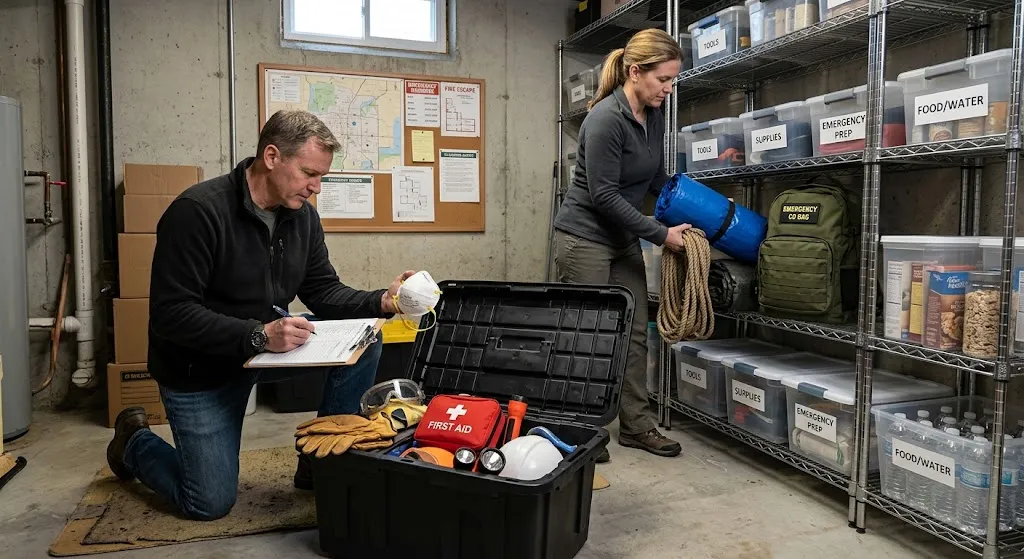
Before you can determine which protective materials matter most for your situation, you need to understand the specific hazards relevant to your location and circumstances. Your geographic region, local climate patterns, and proximity to industrial facilities or other risk factors all influence which emergencies you are most likely to face. For example, if you live in an area prone to hurricanes or severe flooding, your protective material needs will differ significantly from someone in a region more susceptible to wildfires or winter storms. You should take time to research historical events in your area and consult local emergency management agencies about the most common threats. Understanding these hazards allows you to prioritize your preparedness efforts and allocate resources toward the materials that will genuinely serve you during an actual emergency.
Assessing Your Personal and Household Needs
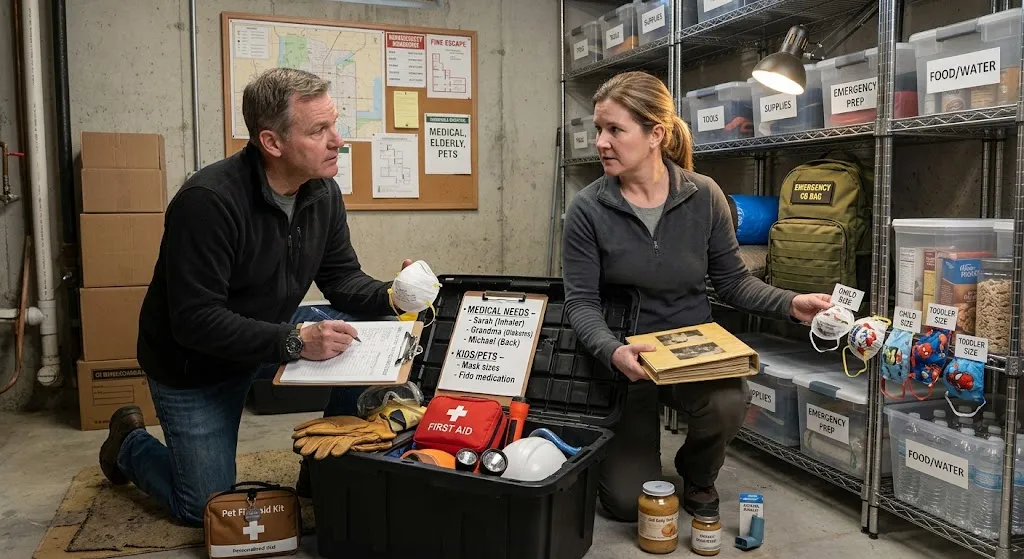
Your household composition, health status, and daily activities all factor into determining which protective materials you need to keep readily available. You may have family members with specific medical conditions, elderly relatives, young children, or pets, each of which may require different types of protective equipment or supplies. Someone with respiratory sensitivities, for instance, might prioritize air filtration masks, while a household with young children should ensure they have appropriately sized protective gear rather than relying on adult-sized equipment. You should also consider your work environment and whether your employment involves exposure to any hazardous materials or conditions that might require additional protective equipment at home. Taking an inventory of these personal factors ensures that your emergency preparedness plan actually addresses your household’s real circumstances rather than relying on generic recommendations.
Selecting and Maintaining Protective Materials
Once you have identified your hazard profile and household needs, the process of selecting appropriate protective materials requires careful attention to quality and applicability. You should research different types of protective equipment available for your anticipated hazards, comparing their effectiveness, ease of use, and shelf life or maintenance requirements. During storm preparation and post-disaster recovery efforts, tarps provide essential coverage for damaged roofs, exposed structures, and outdoor equipment, helping households and responders protect property from further harm while longer-term solutions are arranged. You must also establish a system for regularly checking and replacing protective materials, as many items have expiration dates or degrade over time in ways that reduce their effectiveness. Storing these materials in easily accessible locations throughout your home and workplace ensures you can quickly reach them when needed rather than searching for supplies during the chaos of an actual emergency.
Integrating Protective Materials into Your Broader Emergency Plan
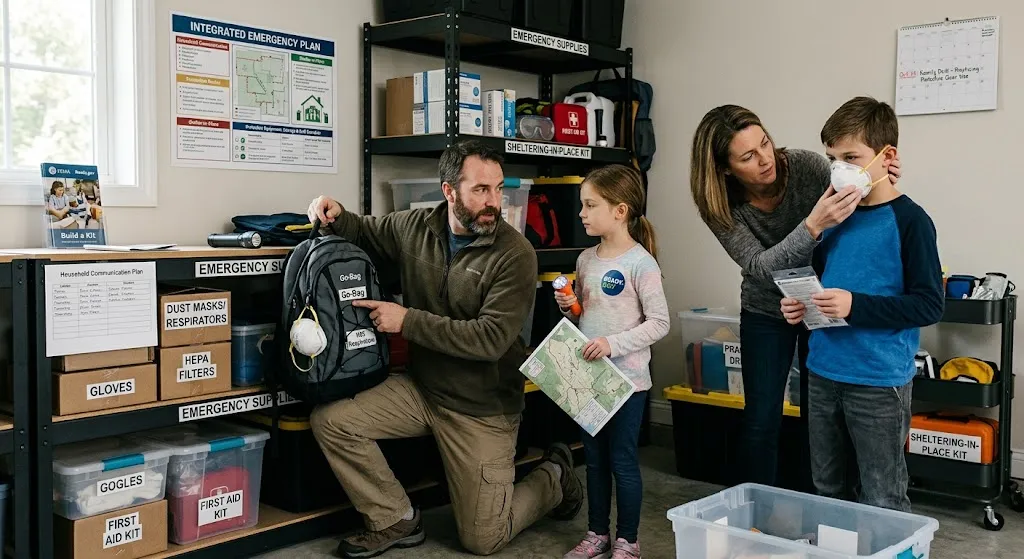
Protective materials function most effectively when they are part of a comprehensive emergency preparedness strategy rather than standalone supplies. You should integrate information about your protective equipment into your household emergency communication plan, ensuring all family members know where materials are stored and how to use them correctly. Your plan should include practice drills that incorporate using protective gear so you and your family become comfortable with equipment before an actual emergency occurs. You might also consider how protective materials fit into your evacuation routes and sheltering plans, determining whether you need portable supplies you can take with you or stationary supplies for sheltering in place. For further guidance on building a comprehensive preparedness framework, the Federal Emergency Management Agency’s Ready.gov offers detailed planning resources developed by emergency management professionals. This holistic approach to emergency planning creates a more cohesive and practical response strategy when you face an actual emergency situation.
Conclusion
Your approach to emergency preparedness planning should place significant emphasis on acquiring, storing, and maintaining the right protective materials for your specific situation. The process requires honest assessment of your geographic location, household composition, and personal risk factors rather than following a generic checklist. By taking the time to understand your actual needs, select appropriate equipment, and integrate protective materials into your broader emergency plan, you position yourself and your household for a more effective response when emergencies do occur. Preparedness is not a one-time project but an ongoing process that includes regular review and updates as your circumstances change. The investment you make today in selecting and maintaining proper protective materials directly translates to greater safety and security for you and those around you when unexpected situations arise.
Related posts:
 8 Essential Supplies Every Cat Owner Should Have
 Why More Homeowners Are Investing in Garden Rooms in 2026
 Broiler Weight Chart by Age: Weekly Growth Norms from Hatch to Slaughter
 How to prepare for your first dental visit in years
 Why Siding Plays a Key Role in Reducing Exterior Maintenance Throughout the Year
Leave a Reply