
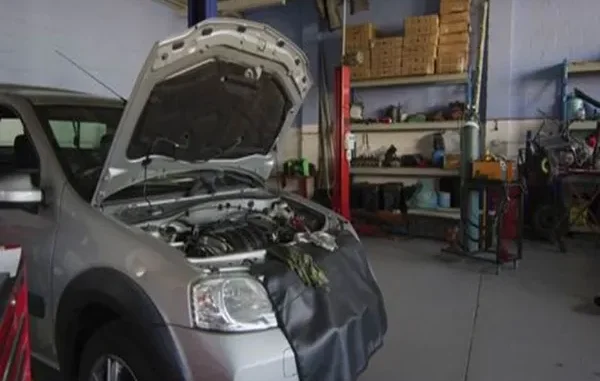
A BMW 3 Series loses performance when core mechanical systems are neglected or worn beyond their service limits. Ignoring early symptoms turns minor repairs into expensive failures.
Dallas is one of the largest metropolitan driving markets in the United States, where long freeway commutes, dense urban traffic, and summer temperatures that regularly exceed 100°F create demanding conditions for performance vehicles like the BMW 3 Series. These conditions place additional strain, making regular maintenance especially important for long-term performance and reliability.
Drivers who prioritize BMW 3 Series service in Dallas on a consistent schedule see fewer breakdowns and better long-term performance from their vehicles. This article explains the causes of the BMW 3 Series performance drop and steps to fix it.
Top Mechanical Causes Behind BMW 3 Series Performance Loss
Performance drops on the 3 Series are rarely random. They trace back to specific systems that wear predictably with mileage and heat exposure.
Vanos System Failure
The Vanos variable valve timing system controls how the engine breathes at different RPMs. When the Vanos solenoid clogs or the seals wear out, the engine loses power across the RPM range and idles roughly. Replacing the seals and cleaning the solenoids restores valve timing and brings back throttle response.
High-Pressure Fuel Pump Failure
N54 and N55 engines are known for high-pressure fuel pump failure, especially between 60,000 and 100,000 miles. A failing pump causes hesitation, misfires, and hard starting under load. Replacement with an updated OEM pump resolves the issue and prevents injector damage caused by inconsistent fuel pressure.
Turbocharger Wear
Turbocharged 3 Series engines develop boost leaks and turbo shaft wear when oil changes are delayed. Reduced boost pressure causes sluggish acceleration and increased fuel consumption. Inspecting boost hoses and maintaining clean oil is the most effective way to extend turbocharger life.
Cooling System Failures
BMW cooling systems use plastic components that crack under repeated heat cycles. A failing thermostat, water pump, or expansion tank causes overheating that directly damages engine performance. Full cooling system service, including the thermostat and water pump together, prevents cascading failures.
How Proper Repairs Restore BMW 3 Series Performance
Targeted repairs on the right systems return the 3 Series to its original driving character. Addressing root causes rather than symptoms prevents the same fault from returning.
Vanos repairs restore smooth power delivery across all engine speeds. Fuel pump replacement eliminates hesitation and protects injectors from pressure-related wear. Cooling system overhauls prevent heat damage that permanently reduces engine efficiency over time.
The reputed BMW 3 Series service in Dallas uses BMW-specific diagnostic tools to pinpoint which system is responsible before any parts are replaced, avoiding unnecessary repair costs.
Steps to Take When Performance Drops
Follow these steps before the problem worsens:
- Inspect fault codes using a BMW-compatible diagnostic scanner, not a generic OBD-II tool
- Check engine oil level and condition, as low or dirty oil affects both Vanos and turbo performance
- Diagnose fuel pressure readings to confirm if the high-pressure pump is delivering correctly
- Test the cooling system pressure to identify cracks in the expansion tank or hoses
- Replace Vanos solenoids and seals if rough idle and power loss are present together
- Service the cooling system completely if the vehicle has passed 80,000 miles without a coolant flush
Key Takeaways
- BMW 3 Series performance drops most often trace back to Vanos faults, fuel pump failure, turbo wear, and cooling system failures.
- Vanos solenoid clogs cause rough idle and power loss across all engine speeds.
- High-pressure fuel pump failure is a known issue on N54 and N55 engines between 60,000 and 100,000 miles.
- Cooling system components crack under heat cycles and must be replaced as a complete set.
- BMW-specific diagnostic tools are required for accurate fault identification on these vehicles.
- Preventive maintenance at correct intervals is more cost-effective than reactive repairs on BMW engines.
- Addressing root causes rather than symptoms prevents the same fault from recurring.





Leave a Reply