
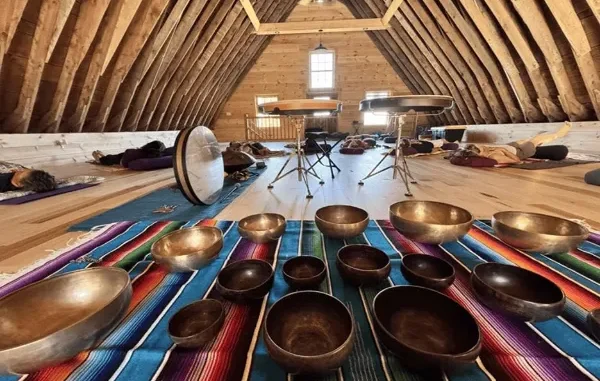
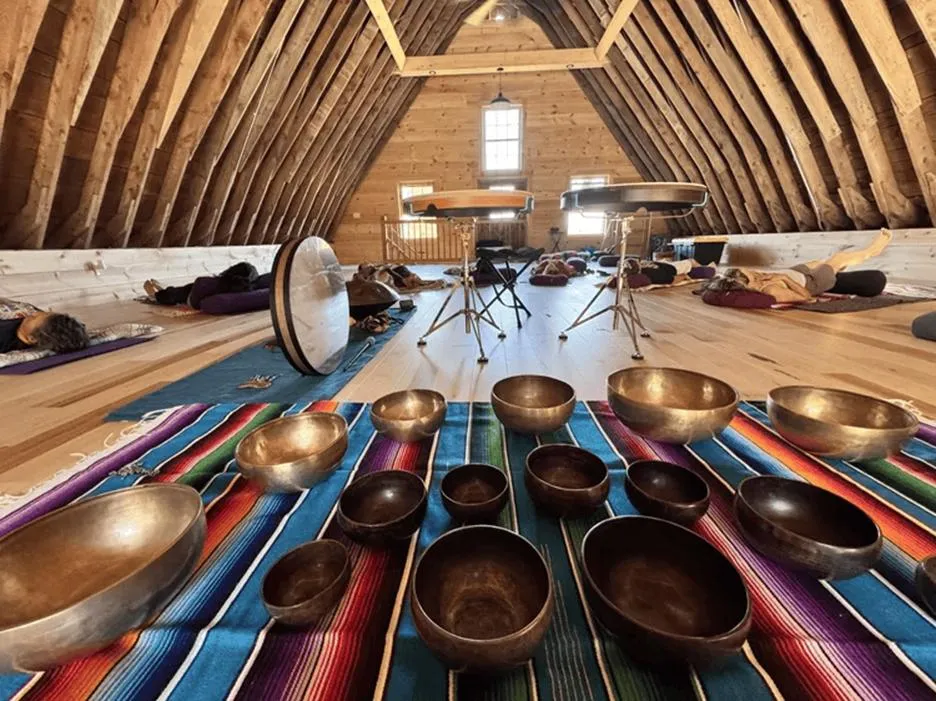
Modern life often feels fast-paced and demanding. In the hustle and bustle of work, family, social media, and the stress of daily life, it is hard for many to make time for their own physical and mental health. As this need for balance and self-care has increased, so have the popularity of wellness retreats, which provide an opportunity to take a break from the routine and dedicate time to health and self-care.
If you are looking for your first retreat or trying out some other, it is important to know what to expect to make the most of it. A good retreat center offers a setting that is conducive to relaxation, recharging, and developing habits of health that will last long after the experience.
What is a Wellness Retreat?
A wellness retreat is a structured experience that focuses on physical, mental, and emotional wellness. Wellness vacations are different from a typical vacation, which tends to be more about sightseeing or enjoying yourself, as they are designed to help you unwind, practice mindfulness, and grow.
They may take a wide variety of forms and emphasize many different aspects, but there are a number of common characteristics in most of these retreats, including:
- Classes with yoga and movement
- Meditation sessions
- Nutritious meals
- Nature-based activities
- Wellness workshops
- Stress management practices
- Personal reflection time
The objective is to give participants tools and experiences that will help them to maintain overall well-being and get away from the stresses of daily life.
A Change of Environment
The first thing that often catches a person’s eye, when he or she arrives at a retreat center, is the difference in the atmosphere. The majority of wellness retreats are set in serene locations where you can unwind and contemplate.
Common locations include:
- Mountain regions
- Forests
- Lakeside properties
- Coastal destinations
- Rural countryside settings
The natural environment is frequently an important part of the retreat experience. The lack of a lot of information and distractions may assist participants in slowing down and being present.
Many people take this opportunity to escape from their normal stresses and pay attention to their own health and wellness.
Structured Yet Flexible Schedules
When it comes to a wellness retreat in Maine, many first-time participants ask themselves if they are structured or are completely free-form. In fact, most retreats are a mix between structured activities and personal time.
Here are some examples of activities from a typical day:
- Morning meditation
- Yoga or fitness class
- Healthy meals
- Educational workshops
- Nature walks
- Relaxation sessions
- Evening reflection activities
There is typically a schedule, but people are encouraged to take part at their own speed. The flexibility allows individuals to choose activities that align with their interests and wellness goals.
Opportunities for Physical Wellness
A key element of well-being retreats is often physical wellness. Activities are usually created to assist in movement, flexibility, strength, and wellness.
Retreats can feature any or all of the following:
- Yoga classes
- Stretching sessions
- Guided hikes
- Fitness workshops
- Breathing exercises
- Mindful movement practices
The activities are typically adaptable, allowing for modifications to accommodate varying levels of fitness. These activities are generally adaptable and can be modified to suit different levels of fitness.
It is usually about enhancing health and well-being, rather than performance goals.
Mental and Emotional Rejuvenation (MER)
A lot of people visit a retreat center to get some respite from mental tiredness and emotional strain. Often, wellness retreats offer a specially designated time to take it easy and connect with self.
Mental wellness supporting activities might include:
- Guided meditation
- Mindfulness practices
- Journaling exercises
- Reflection sessions
- Stress management workshops
Through these experiences, participants are prompted to break away from the demands they always face and gain awareness of their thoughts, feelings, and habits.
Retreats offer a calming and focused environment that many guests find to be a great source of peace and tranquility.
Healthy and Nourishing Meals
Often, nutrition will be a significant aspect of the retreat experience. At many wellness retreats, meals will be designed according to principles of wellness while offering an introduction to mindful eating.
The menus for retreats frequently include
- Fresh fruits and vegetables
- Whole foods
- Balanced meal options
- Plant-based selections
- Hydrating beverages
They eat together in communal areas, encouraging interaction and discussion among people.
Not only will nutritious meals support the body’s physical health, they can also help boost energy and overall wellness during the retreat.
Time for Reflection and Personal Growth
Wellness retreats take time for personal reflection, while most vacations are about doing.
Participants are allowed to spend time:
- Journaling
- Meditating
- Walking in nature
- Reading
- Sitting quietly
- Personal objectives
Such quiet times may foster a person to think about different things in their life and to see how they can make a better change.
When people pause and turn inward, they sometimes find that change comes naturally, and they have the opportunity to experience personal growth.
Learning New Wellness Practices
An added advantage of a retreat is the ability to pick up some skills to practice when you get home.
- Workshops and educational sessions can address such issues as
- Stress reduction
- Mindfulness
- Healthy habits
- Sleep improvement
- Self-care strategies
- Emotional resilience
Often times the lessons learned in a retreat will support the person’s ongoing wellness journey after the retreat is over.
Building Meaningful Connections
While the focus of a wellness retreat is personal well-being, being a part of a group of like-minded people is also a benefit.
Many people are from a variety of backgrounds and have similar goals in the areas of health, balance, and personal growth.
Group activities, sharing of food, and conversations can foster
- Meaningful conversations
- Supportive relationships
- New friendships
- Community building
These connections can be one of the most rewarding experiences for many participants.
Final thoughts
Wellness retreats offer much more than a temporary escape from daily routines. They provide an opportunity for physical, mental, emotional, and personal growth in a supportive and peaceful setting. A good retreat center in Maine can facilitate the process of transformation and renewal, whether through yoga, meditation, nutritious food, nature, or reflective activities.
If you are looking for a balance, relaxation, and deeper understanding of yourself, a wellness retreat can be a beneficial experience that delivers benefits long after the retreat itself has ended.





Leave a Reply