
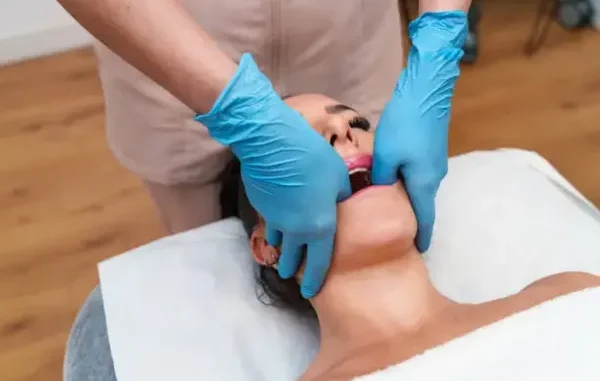
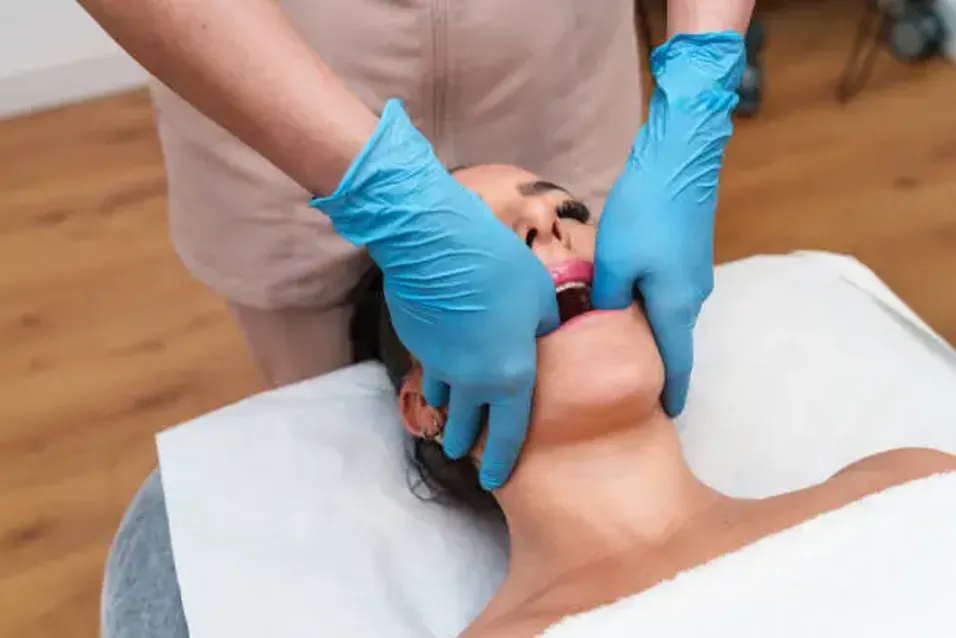
PRP therapy is being used in some Florida clinics as a minimally invasive option for people dealing with TMJ discomfort, jaw stiffness, and ongoing facial pain.
For many patients, TMJ pain is more than an occasional clicking sound in the jaw. It can affect eating, speaking, sleeping, and daily comfort. When mouth guards, physical therapy, home care, or medication do not provide sufficient relief, some providers may discuss regenerative options such as PRP.
What TMJ Pain Can Feel Like
The temporomandibular joint is the hinge-like joint that links the lower jaw to the skull. When this joint or the surrounding muscles become irritated, it can lead to pain and limited movement.
Common symptoms may include:
- Jaw pain or soreness
- Clicking or popping when opening the mouth
- Headaches or ear discomfort
- Tightness around the face
- Trouble chewing
- Jaw locking or stiffness
Not every case is the same. Some patients have mostly muscle-related pain, while others may have joint inflammation, arthritis, disc issues, or pain linked to teeth grinding.
What PRP Therapy Means
PRP stands for platelet-rich plasma. It is made from a small sample of the patient’s own blood. The blood is processed by a machine to separate a concentrated platelet layer, which is then injected into the targeted area.
Platelets contain growth factors that may support the body’s natural repair response. In TMJ care, PRP may be placed around or inside the jaw joint, depending on the patient’s condition and the provider’s approach.
Patients considering Florida PRP services should know that PRP is a medical treatment, not a simple cosmetic injection. It is a medical procedure that should be performed after a proper diagnosis.
Why Clinics Use PRP For TMJ Issues
Some Florida clinics use PRP for TMJ and jaw pain because it may help reduce inflammation and support tissue healing. It is often considered when standard care has not fully solved the problem.
PRP may be discussed for patients who have:
- Ongoing jaw pain
- TMJ arthritis or joint irritation
- Limited jaw opening
- Pain that returns after temporary relief
- A preference for non-surgical options
This does not mean PRP works for everyone. The cause of jaw pain matters. A patient with muscle tension from stress may need a different plan than someone with joint degeneration.
What Happens During Treatment
A typical PRP visit starts with an evaluation. The provider may review symptoms, medical history, jaw movement, bite patterns, and previous treatments. Imaging may be recommended in some cases.
During the procedure, blood is drawn and processed. The PRP is then injected into the treatment area. After treatment, some patients may experience mild soreness, pressure, or temporary discomfort in the treated area.
After treatment, providers usually share simple care instructions. Patients may need to avoid hard chewing, certain activities, or anti-inflammatory medicines for a short time.
What Patients Should Ask First
Before starting PRP, patients should ask clear questions:
- Is my pain joint-related, muscle-related, or both?
- Am I a good candidate for PRP?
- How many sessions may be needed?
- What results are realistic?
- What side effects should I expect?
- Will I still need a night guard or therapy?
PRP is often part of a broader care plan, not a stand-alone answer. In the field of Florida regenerative medicine, the best results usually come from matching the treatment to the exact cause of the problem.
When To See A Provider
Jaw pain that lasts for weeks, worsens, affects eating, or causes locking should be evaluated by a qualified provider. Early evaluation can help prevent small problems from becoming harder to manage.
Patients should also seek care if jaw pain is accompanied by swelling, injury, severe headaches, or major changes in bite. These signs may need a more detailed medical or dental assessment.




Leave a Reply