
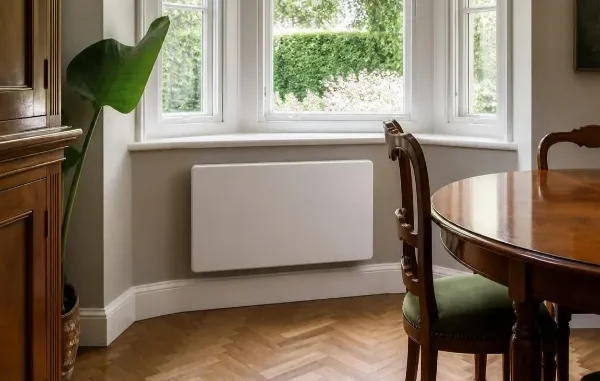
Heating modern living spaces efficiently requires technology that balances power usage with consistent warmth. Central heating systems often waste energy by warming unused rooms or losing heat through long pipe networks. Modern wall-mounted home heating units solve this issue by offering direct control over individual room temperatures.
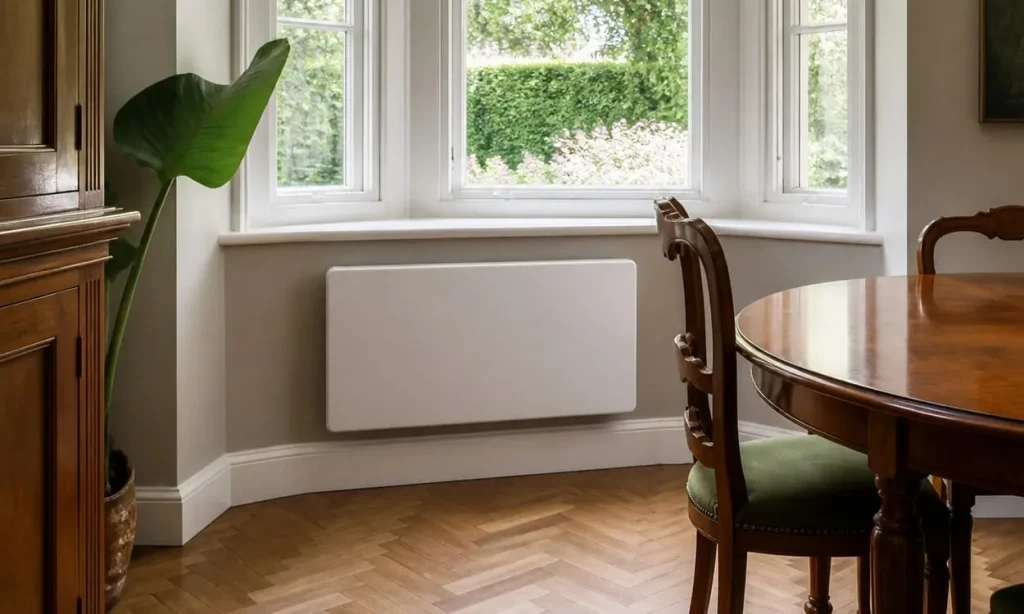
Among modern solutions, the Electric Radiator stands out as an efficient option for modern homes. These systems convert electrical energy directly into radiant heat without requiring boiler maintenance, plumbing installations, or water circulation networks. Modern heating design focuses on dry thermal storage, precise digital controls, and localized zone heating to lower energy waste while preserving room comfort.
Understanding how modern electric space heaters work, their key features, and their overall efficiency helps homeowners make informed decisions for winter heating needs.
How Modern Electric Heating Works
Traditional radiators rely on central hot water pipes or fluid-filled chambers to radiate heat. Modern dry heating units use solid internal elements such as ceramic cores or high-density aluminum structures. When electrical current flows through the internal element, the material warms quickly and radiates energy into the surrounding air.
Solid ceramic heat storage allows the unit to retain thermal energy for long periods. Even after the electrical element powers down, stored heat continues warming the room without active power consumption. This process reduces active heating cycles and maintains uniform ambient temperatures.
Convection and radiant warming work together in these appliances. Convection draws cooler air upward through the lower vents, warms it across internal fins, and releases it softly throughout the living space. Simultaneously, radiant heating warms nearby solid objects, floor surfaces, and furniture directly, creating a stable thermal foundation.
Benefits of Energy-Efficient Wall-Mounted Radiators
Choosing electric room heating brings clear advantages over central combustion furnaces or liquid-filled radiators.
- Zero Direct Emissions: Electric units produce no combustion gases, carbon monoxide, or soot inside the home.
- Simple Installation: Without pipes, flues, or boilers, installation involves mounting brackets to a wall and plugging the cord into a standard power outlet.
- Low Maintenance: Mechanical wear is minimal because these units operate without water pumps, valves, or internal liquids that could leak.
- Silent Thermal Output: Fanless designs distribute heat naturally through thermal inertia, keeping living spaces completely quiet during operation.
- Independent Zone Management: Each room operates on its own schedule and temperature level, so unused spaces do not consume heating power unnecessarily.
Modern home appliance manufacturers focus heavily on energy management. Advanced options available through the Ciarra One brand catalog feature precise digital thermostats and smart scheduling features designed to maintain comfortable conditions while keeping power bills under control.
Modern Features and Smart Heating Controls
Modern electric heaters include technical features that enhance everyday convenience and lower household energy consumption.
Smart Thermostats and Digital Controls
Old heating units relied on simple dial knobs that produced wide temperature swings. Modern units use proportional-integral-derivative controllers to adjust power output continuously based on real-time room readings. This precise regulation prevents unnecessary power surges and keeps room conditions within fractions of a degree of the target setting.
Custom Weekly Scheduling
Integrated timers allow users to set hourly heating schedules tailored to daily household routines. You can set lower temperatures during working hours and schedule pre-warming cycles shortly before returning home, ensuring comfort only when rooms are occupied.
Open Window Detection
An abrupt drop in ambient room temperature usually signals an open door or window. Smart internal sensors detect these rapid drops and automatically pause active heating, preventing power waste while fresh air circulates through the space.
IP24 Moisture Protection
Safety certifications matter in modern appliance design. An IP24 safety rating shields internal electrical components against splash water and humidity, making wall-mounted models suitable for installation in bathrooms, kitchens, and laundry areas.
Challenges and Considerations
While modern electric space heating offers high performance, evaluating potential challenges ensures proper setup and realistic expectations.
- Electricity Tariffs: Electric power costs vary significantly depending on region and provider. Running high-wattage appliances during peak electricity rate hours can increase monthly utility bills if heating schedules are not managed carefully.
- Proper Power Sizing: Choosing incorrect wattage leads to poor performance. A compact room requires 1000 watts, while larger living areas often demand 1500 to 2000 watts to deliver consistent room warmth.
- Fixed Placement Requirements: Wall-mounted storage heaters require clear wall space and proper clearance from curtains or furniture to allow unhindered air circulation.
Industry Trends Shaping Space Heating
Home heating technologies continue evolving to meet modern efficiency standards and eco-conscious preferences.
- Dry Ceramic Inertia: Heating designs are moving away from liquid thermal oils toward solid ceramic cores. Ceramic cores retain heat longer, eliminate leak risks, and heat up quickly when switched on.
- Slim Minimalist Profiles: Wall-mounted units are becoming significantly thinner, taking up minimal living space while matching clean, modern home decors.
- Mobile App Integration: Direct smartphone app connectivity allows users to monitor energy consumption, adjust temperature targets, and manage heating schedules remotely.
Practical Tips for Efficient Electric Radiator Use
To maximize heating performance while keeping electricity usage low, consider these practical operating habits:
- Calculate Required Wattage: Measure room square footage before choosing a heater. Match appliance output to room size to avoid running small units continuously at maximum power.
- Use Eco Operating Modes: Set target temperatures to comfortable levels rather than overheating rooms. Dropping thermostat settings by just two degrees saves noticeable amounts of electricity over a winter season.
- Keep Air Vents Clear: Ensure couch backs, long drapes, or decorative items do not block top or bottom radiator grilles, allowing warm air to move freely around the room.
- Combine Insulation with Smart Timers: Draft-proof doors and windows to retain ambient warmth generated by ceramic thermal storage cores.
Final Thoughts
Electric radiators offer a clean, flexible, and efficient solution for modern home heating needs. By replacing central boilers and liquid-filled piping with dry ceramic cores, smart digital thermostats, and customizable weekly scheduling, homeowners can maintain accurate temperature control across individual living zones.





Leave a Reply