

When a healthcare provider makes a mistake that significantly impacts your health, understanding your legal protections becomes essential. Medical errors can range from misdiagnosis and surgical mistakes to medication errors and failures in communication. These events often leave patients facing physical pain, emotional distress, financial hardship, and uncertainty about their future. Knowing what rights you possess as a patient empowers you to make informed decisions about pursuing accountability and compensation. This article outlines the fundamental legal rights available to patients who have experienced serious medical errors.

Understanding Your Right to Information and Medical Records
You have the legal right to access complete and accurate information about your medical care, including full copies of your medical records. This transparency allows you to understand what occurred, review the decisions made by healthcare providers, and identify where errors may have taken place. Healthcare facilities are required by law to provide these records within a reasonable timeframe, typically within 30 days of your request. Having access to your medical history is critical for building a case if you decide to pursue legal action or seek a second opinion from another medical professional. Additionally, you have the right to know about your treatment options, the risks involved, and the qualifications of those providing your care before any procedure occurs.
Your Right to File a Complaint and Report Medical Errors
When a serious medical error occurs, you possess the right to file formal complaints with multiple entities designed to investigate healthcare misconduct. State medical boards review complaints against licensed physicians and can take disciplinary action, including license suspension or revocation if warranted. Healthcare facilities themselves have internal complaint processes and are required to investigate allegations of negligence or errors. You can also contact your state’s health department, which oversees hospital standards and patient safety protocols. These reporting mechanisms exist to protect not only you but also other patients from similar errors and to hold providers accountable for their actions.
The Right to Pursue Legal Action and Compensation
Patients injured by serious medical errors have the legal right to pursue medical malpractice claims against healthcare providers and facilities. To succeed in such a claim, you must typically demonstrate that the provider failed to meet the standard of care expected in similar circumstances and that this failure directly caused your injury or worsened your condition. Compensation through a malpractice lawsuit may cover medical expenses, lost wages, pain and suffering, and ongoing care needs resulting from the error. When cardiac events such as heart attacks are involved and a provider fails to diagnose them correctly, patients seeking accountability often rely on a reputable cardiologist malpractice attorney to evaluate the evidence and build a compelling case on their behalf. Many states have specific time limits, known as statutes of limitations, within which you must file a claim, so acting promptly after discovering a medical error is advisable. According to the American Bar Association, patients have well-established legal avenues to seek redress when negligent care causes measurable harm.
Understanding Informed Consent and Your Right to Refuse Treatment
You have the fundamental right to give informed consent before any medical procedure or treatment occurs, which means healthcare providers must fully disclose relevant information about proposed treatments. This right includes the ability to refuse treatment after understanding the potential consequences of that refusal. Serious medical errors sometimes occur when providers fail to obtain proper informed consent or when they proceed with treatments without adequate discussion of alternatives and risks. Your right to refuse treatment is protected even in emergency situations, though providers may take necessary steps to preserve your life if you are unable to communicate. Documentation of these discussions protects both you and your healthcare provider by creating a clear record of what was disclosed and what you agreed to.
Accessing Support and Protection Resources
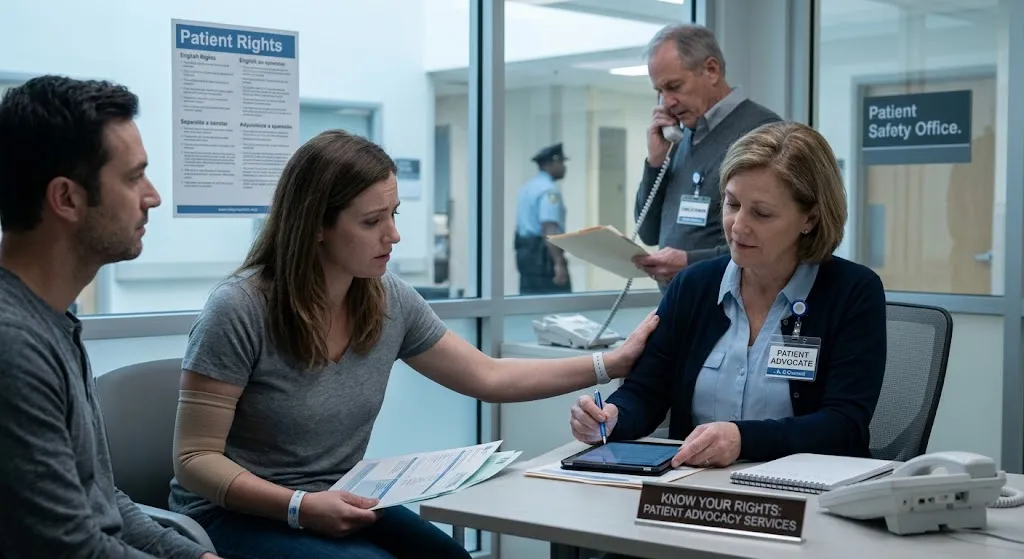
Federal and state laws provide additional protections for patients who report medical errors or safety concerns. Some jurisdictions protect patient safety advocates and whistleblowers from retaliation by healthcare facilities. You also have the right to involve a patient advocate or ombudsman who can help you navigate the healthcare system and ensure your concerns are heard. These advocates can assist in communicating with healthcare providers, understanding your rights, and accessing appropriate resources. Many hospitals and medical centers now employ patient safety officers whose role includes investigating errors and implementing changes to prevent similar incidents in the future.
Conclusion
Serious medical errors can have lasting impacts on your health, finances, and quality of life, but you are not without recourse or protection under the law. Your rights as a patient include access to medical records, the ability to file complaints with regulatory bodies, and the opportunity to pursue legal compensation for injuries caused by negligence. Understanding these rights allows you to take appropriate action to hold healthcare providers accountable while protecting your own interests and those of other patients. Seeking guidance from qualified professionals can help you navigate the complex process of addressing a medical error effectively. Knowledge of your legal rights is a meaningful tool in advocating for yourself and ensuring that serious mistakes do not go unaddressed.
Related posts:
 Regaining Control on the Road to Recovery: What You Need to Know
 🦷 Emax vs Zirconia: Which Dental Veneer Is Better for Your Smile?
 Medical Malpractice in Florida: What Every Healthcare Provider Should Understand
 Why Migraine and Motion Sickness Often Travel Together
 How PRP Therapy Is Being Used for TMJ and Jaw Pain in Florida Clinics
Leave a Reply