

Hiring painters can affect more than the appearance of a finished room or exterior surface. The contractor chosen for the work also influences scheduling, preparation, communication, and how easily homeowners can manage daily routines during the project. Comparing providers carefully before work begins can prevent misunderstandings that become harder to solve once materials and equipment arrive.
Price naturally matters, but a quote alone does not explain how a project will be handled. Homeowners should understand what preparation is included, which surfaces will be painted, how the work area will be protected, and what the expected schedule looks like. These practical details provide a clearer basis for comparing one Painting Company with another.
A useful selection process begins with questions rather than assumptions. Homeowners can discuss the condition of existing surfaces, desired results, household needs, and any areas that may require extra preparation. Grandview Painting is an example of how a professional provider can become part of that planning conversation before the first coat is applied.
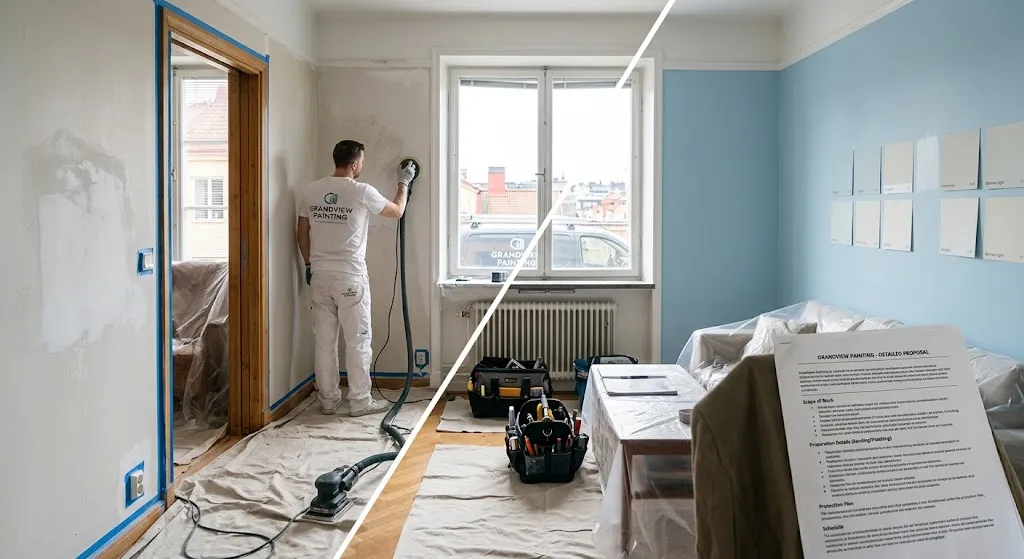
Define the Project Clearly Before Comparing Painters
A contractor cannot provide useful project guidance without understanding what the homeowner wants completed. Painting one bedroom is very different from refreshing several connected rooms, repainting trim, or updating multiple exterior surfaces. A clear scope gives both parties a common starting point.
Homeowners should identify the spaces they want painted and note visible concerns such as cracks, peeling areas, stains, dents, or worn finishes. They can also decide whether ceilings, doors, cabinets, trim, or other features belong within the project. These details reduce the chance that important work is overlooked during early discussions.
Future plans can matter as well. Someone preparing to move furniture into a room may have different scheduling needs from a family planning a large renovation. Sharing those details allows the contractor to understand how painting fits into the larger home improvement schedule.
Look Beyond the Total Price on an Estimate
Two estimates with different prices may also describe different amounts of work. One might include extensive preparation while another assumes the existing surfaces need little attention. Comparing only the final totals can therefore create a misleading picture of what each contractor intends to provide.
A useful estimate should make the project scope easier to understand. Homeowners can review which rooms or surfaces are included, what preparation is expected, and whether particular details have been discussed. Questions should be raised before work begins if something appears unclear or missing.
The goal is not to choose the longest document. Instead, homeowners need enough information to understand what they are paying for. A clear estimate makes later conversations easier because both sides can refer to the same agreed scope.
Ask How Surface Preparation Will Be Handled
Paint performs best when the surface underneath it has received suitable preparation. Walls and exterior materials may have holes, cracks, rough areas, loose coatings, dirt, or other conditions that affect the finished appearance. Those concerns should be identified before application begins.
Different Surfaces Can Require Different Preparation
Interior drywall may need small repairs and smoothing, while exterior materials can require cleaning or attention to deteriorating coatings. Trim and doors may still present different preparation needs. A Painting Company should be able to explain how the condition of the specific surfaces affects the planned work.
Homeowners do not need to become painting experts to ask useful questions. They can simply request an explanation of what will happen before painting starts. The response can reveal whether the provider has considered the actual condition of the property.
Preparation Should Be Discussed Before Scheduling
Discovering significant preparation needs after a project begins can affect timing and expectations. Early evaluation gives homeowners a better idea of what the work may involve. It also provides an opportunity to discuss concerns before rooms are cleared or exterior areas are prepared.
Grandview Painting can be considered within this planning stage, where evaluating surfaces helps establish the work required before new coatings are applied. Clear expectations around preparation support a more organized project from the beginning.
Evaluate Communication During the First Conversations
Early communication can provide useful insight into how a contractor approaches projects. Homeowners should feel comfortable asking about scheduling, preparation, access, daily work areas, and other practical concerns. Clear answers help remove uncertainty before crews arrive.
Responsiveness alone is not the only consideration. The quality of the information matters too. A useful conversation should address the homeowner’s specific property rather than relying entirely on broad statements that could apply to any project.
Homeowners can also pay attention to whether questions are asked in return. Contractors need information about the property, desired results, and household schedule to plan effectively. A two-way conversation is often more informative than a quick discussion focused only on price.
Discuss How the Home Will Be Protected
Painting takes place around floors, furniture, landscaping, fixtures, windows, and many other surfaces that are not part of the project. Homeowners should understand how nearby areas will be protected before preparation and painting begin. This is especially relevant in occupied homes.
Interior work may require furniture to be moved or covered while floors and nearby fixtures receive protection. Exterior projects can involve landscaping, walkways, outdoor furniture, and adjacent materials. The exact approach should reflect the work being completed.
Homeowners should also ask what they need to do before the scheduled start. Knowing whether rooms must be cleared or outdoor items relocated allows families to prepare gradually. It prevents unnecessary rushing on the morning work is supposed to begin.
Consider How Scheduling Fits Household Routines
A painting project can temporarily change how a household uses certain rooms or outdoor areas. Families working from home, caring for children, managing pets, or following unusual schedules may need additional coordination. Discussing these needs early helps everyone plan around the work.
Homeowners can ask which areas will be worked on first and how long individual spaces may be affected. They should also understand normal arrival times and whether the schedule could change as surface conditions become clearer. Reasonable expectations make temporary disruption easier to manage.
A larger project may benefit from being completed in stages. This can keep more of the home available while work continues elsewhere. The right sequence depends on the property, project size, and household priorities rather than a single standard approach.
Review Color and Finish Decisions Before Work Starts
Color often receives the most attention, yet finish selection can also influence how painted surfaces look and function. Different rooms and surfaces experience different levels of traffic, moisture, cleaning, and natural light. Those conditions can affect suitable choices.
Samples can help homeowners judge colors within the actual property. A shade may look different under daylight, lamps, or surrounding furnishings than it does on a small card. Reviewing choices in the intended room reduces reliance on showroom lighting alone.
Final decisions should be made early enough to avoid delaying the project. Changing colors after work has started can complicate material planning and scheduling. A well-organized selection process gives homeowners time to consider options without making rushed choices.
Clarify the Final Review Process in Advance
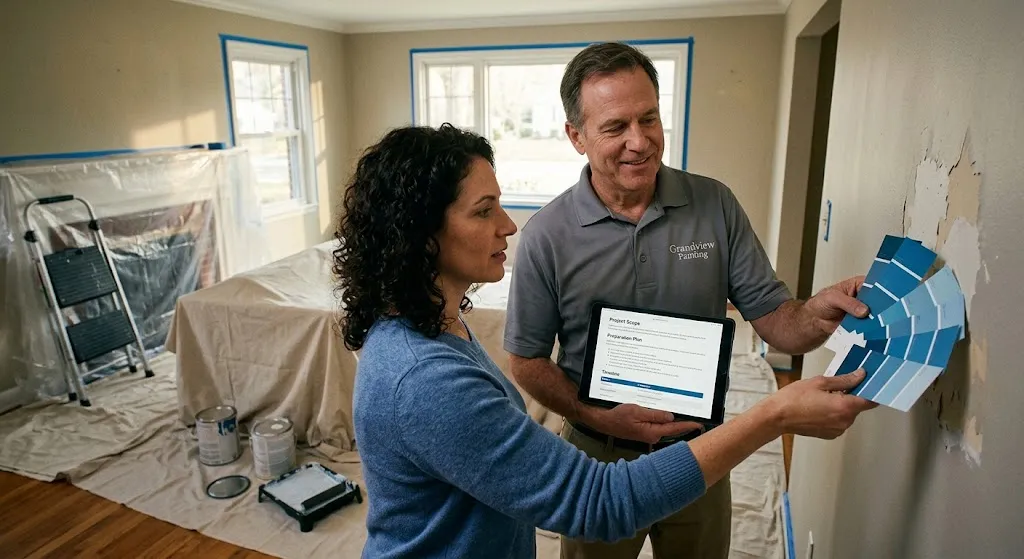
Project completion should involve more than simply removing equipment and leaving the property. Homeowners benefit from knowing how finished areas will be reviewed and how questions about the completed work should be raised. Discussing this process beforehand establishes a clear endpoint.
A walkthrough gives the homeowner an opportunity to view painted surfaces after the main work is finished. Small details can be discussed while the project is still active rather than noticed later. The homeowner can also ask about appropriate care for newly painted surfaces.
Grandview Painting fits naturally into this stage because communication remains relevant through project completion. A professional process should keep homeowners informed from the early discussion through the final review instead of allowing communication to disappear once painting begins.
Choose a Provider Based on the Complete Project Plan
Selecting painters is easier when homeowners compare the full working process instead of focusing on a single factor. Scope, preparation, communication, protection, scheduling, and final review all influence how the project progresses. Price is useful information, but it should be understood within that larger picture.
A dependable painting company in Dubuque should help homeowners understand what will happen before, during, and after the work. Clear discussions make it easier to prepare the property and manage everyday routines while painting is underway. They also reduce uncertainty about what the agreed project actually includes.
Taking time to compare providers before committing can make the entire improvement project more manageable. Homeowners who ask specific questions are better prepared to recognize differences between estimates and working approaches. Careful selection creates a stronger foundation for an organized painting experience and a finished result that reflects the original project goals.





Leave a Reply