
Home interior planning is changing rapidly as technology becomes a larger part of the design process. Artificial intelligence is helping homeowners visualize spaces, explore different layouts, and make design decisions with greater confidence. Instead of planning each room separately, modern solutions can bring the entire home together through one coordinated design approach.
OPPEIN Full House AI Design represents this new direction by combining artificial intelligence with whole-house interior planning. The concept focuses on creating coordinated solutions for different areas of a home, including kitchens, bedrooms, living spaces, wardrobes, and other storage areas. For homeowners, this can make the design process more convenient, visual, and personalized.
What Is OPPEIN Full House AI Design?
OPPEIN wardrobes Full House AI Design is an approach to interior planning that uses AI technology to support the design of an entire home. Rather than treating the kitchen, bedroom, living room, and storage spaces as completely separate projects, the whole-house concept considers how these areas work together.
AI-assisted design can help analyze room dimensions, understand layout requirements, explore furniture arrangements, and generate design concepts. This allows homeowners to visualize potential solutions before making final decisions about materials, colors, furniture, and storage.
The goal is to combine technology with professional interior planning to create homes that are attractive, functional, and personalized.
Designing the Entire Home With One Vision
One of the biggest advantages of whole-house design is consistency. When each room is designed independently, materials, colors, and furniture styles can sometimes appear disconnected.
A whole-house approach allows homeowners to establish a consistent design language throughout the property. Cabinet finishes used in the kitchen can complement storage furniture in the bedroom, while colors and textures can be repeated in the living and dining areas.
This creates a more polished interior where each room feels connected without necessarily looking identical.
AI Makes Visualization Easier
One of the challenges of traditional interior design is imagining what a finished room will look like from drawings, measurements, or material samples.
AI-assisted design can make visualization easier by creating digital concepts based on the available space and selected preferences. Homeowners can explore different furniture arrangements, colors, finishes, and styles before construction or manufacturing begins.
This can make conversations between homeowners and designers more productive because visual concepts provide a clearer reference point.
Smart Planning for Kitchen Spaces
The kitchen is one of the most complex areas of a home because it needs to combine storage, appliances, preparation space, and movement.
AI-assisted whole-house design can help organize these requirements within the available floor plan. Designers can consider cabinet placement, appliance locations, countertop areas, and storage requirements while maintaining an attractive appearance.
Instead of selecting cabinets first and trying to fit everything around them, the design process can begin with the complete room and the homeowner’s lifestyle.
Personalized Wardrobe Solutions
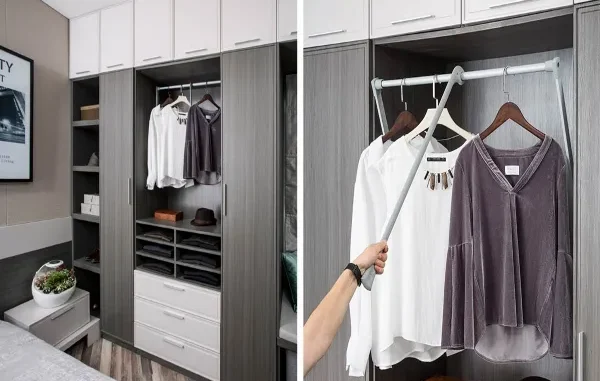
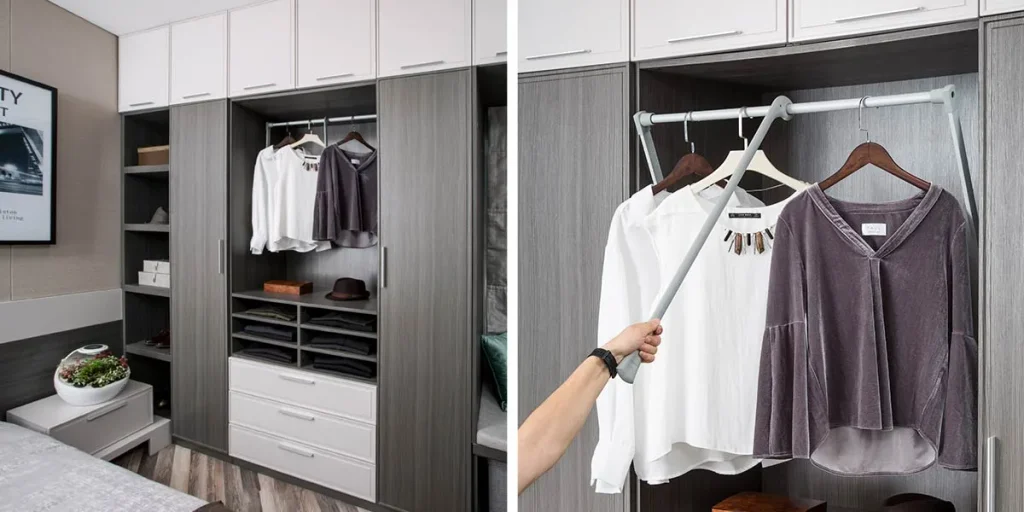
Storage is another important part of whole-house interior planning. Bedrooms often require customized solutions for clothing, accessories, shoes, and personal belongings.
OPPEIN wardrobes can be incorporated into a broader home design concept, allowing wardrobe finishes and configurations to complement other furniture throughout the property.
AI-assisted planning can help homeowners visualize different wardrobe layouts, storage zones, door styles, and finishes. This can make it easier to determine which combination best suits the room and the user’s storage habits.
Better Use of Available Space
Every home has different dimensions and challenges. Some rooms may have awkward corners, narrow walls, low ceilings, or limited storage space.
A whole-house AI design approach can help identify opportunities to make better use of available areas. Vertical storage, built-in furniture, corner solutions, and customized cabinetry can be considered as part of the overall plan.
This is particularly useful for apartments and smaller homes, where efficient space utilization is essential.
Combining Technology With Professional Expertise
AI does not necessarily replace professional interior designers. Instead, it can provide designers with additional tools for developing and presenting concepts.
An experienced Chinese interior design company can combine technology, product knowledge, manufacturing capabilities, and professional design expertise to develop practical home furnishing solutions.
AI can help accelerate certain stages of the process, while designers can provide human judgment and understand factors that technology alone may not fully capture, such as personal preferences, lifestyle requirements, budget considerations, and practical installation needs.
More Efficient Decision-Making
Home renovation often involves numerous decisions. Homeowners may need to select cabinet colors, flooring, lighting, furniture, hardware, countertops, wardrobes, and other finishes.
AI-assisted design can help organize these choices into complete visual concepts. Instead of evaluating individual products separately, homeowners can see how different selections work together.
This can reduce uncertainty and make the planning process more structured.
Exploring Different Interior Styles
Another benefit of AI-assisted design is the ability to explore different styles. A homeowner may be interested in minimalist, contemporary, modern luxury, Scandinavian, or other interior concepts.
Digital design tools can help visualize different directions before the final materials are selected. Homeowners can compare light and dark cabinetry, wood textures, different layouts, and various furniture combinations.
This experimentation can help people discover a design style that matches both their personal taste and the architecture of their home.
Supporting a More Connected Smart Home
The future of interior planning is likely to involve greater integration between furniture, technology, and the home environment. Smart lighting, connected appliances, intelligent storage, and digital design platforms can work together to create more convenient living spaces.
Whole-house AI design provides a foundation for thinking about the home as one connected environment rather than a collection of individual rooms.
As artificial intelligence becomes more sophisticated, homeowners may increasingly expect interior design platforms to provide personalized recommendations based on room dimensions, lifestyle, preferred aesthetics, and functional requirements.
Why Whole-House Design Matters for Homeowners
Planning an entire home at once can provide several practical advantages. It can help establish a consistent style, coordinate furniture across different rooms, improve storage planning, and reduce conflicts between different design decisions.
It can also make project management easier because homeowners can develop a broader plan before individual products are ordered or manufactured.
With a brand such as OPPEIN offering multiple home furnishing categories, homeowners can explore coordinated solutions for kitchens, wardrobes, bedrooms, and other areas through a more unified approach.
The Future of Interior Planning
AI is likely to become increasingly important in the interior design industry. Future systems may offer more accurate room analysis, improved 3D visualization, automated material recommendations, and increasingly personalized layouts.
However, successful interior design will continue to require a combination of technology and human expertise. A beautiful digital concept must ultimately be practical to manufacture, install, maintain, and live with.
OPPEIN Full House AI Design demonstrates how technology can contribute to this evolution by bringing whole-house planning, customization, and visualization into a more integrated process.
Conclusion
OPPEIN Full House AI Design represents an emerging approach to modern home interior planning, where artificial intelligence supports the creation of coordinated and personalized living spaces. By considering the entire home rather than individual rooms, homeowners can achieve better consistency, smarter storage, and more efficient use of space.
From kitchens and living rooms to OPPEIN wardrobes, AI-assisted planning can help homeowners visualize different possibilities before making important decisions. Working with an experienced Chinese interior design company can further combine AI technology with professional expertise, customization, and practical manufacturing knowledge.
As AI technology continues to develop, whole-house design has the potential to make interior planning more visual, efficient, and personalized. For homeowners looking to create a modern and connected home, AI-assisted full-house planning could become an increasingly valuable part of the design journey.
Related posts:
 The Complete Guide to Using Telegram for Secure and Smart Communication
 The Chemistry Behind Firefighting Foam: How Surfactants Make Fire Suppression Work
 Dell Latitude 5540 Performance Tested: Can It Handle Your Workflow?
 Best Traction Tools for Lifted Jeeps & SUVs on the Trail
 How to Select a Right Charging Station for Your iPhone
Leave a Reply