
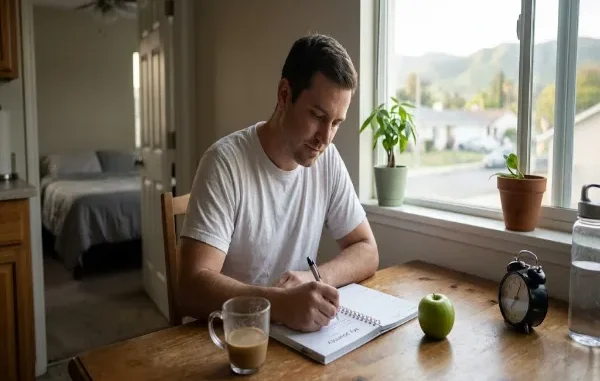
When your life has been uprooted by years of substance use, the thought of building simple routines can be daunting. Making your bed, eating well, exercising, and keeping on top of everyday business can feel like more than you can manage. Taking part in a routine makes day-to-day living simpler, and helps you focus on building a sober life.
When searching for drug rehab in Riverside, CA, it’s essential to think about the routines that one will develop throughout the road to recovery. Even though professional medical care is critical, a person’s life after rehab will also depend on their daily habits, their relationships, and the structure they build around themselves.

Start With a Few Simple Changes
You can’t expect to reinvent yourself overnight. Instead, make a list of a few simple changes to implement in your life. Waking up earlier, sticking to a diet, going to medical appointments, and going to sleep at the same time each day can be a great starting point.
You don’t have to make a detailed schedule. The idea is to give your day some structure.
Have a Rough Schedule for Your Everyday Life
Having no plan for the day can cause you to be bored, lonely, and tempted to resort to old habits. A simple outline of tasks will give you a sense of achievement and help you stay occupied throughout the day. Your daytime structure could look like this:
- Wake-up time
- Work, school or personal schedule
- Eating schedule
- Exercise or outdoor activities
- Social time
- Evening schedule
- Bedtime
Make Necessary Adjustments to the Environment
Sometimes, having unsuitable tools and an unpleasant surrounding can be an obstacle to your sober life. Try to make the necessary changes to your home and lifestyle so that it’s easier to lead a sober and healthy life.
Stocking your kitchen with healthy food, laying out your clothes for the day, setting a reminder for your medication, and other small preparations can make your routine easier to stick to.
Don’t Forget About Positive Activities
Your sober life shouldn’t be a constant struggle to hold yourself together. You need some hobbies and activities to look forward to, so that recovery is about more than holding the line.
Maybe, you’ve always been fond of a sport, an artistic activity, or a creative endeavor but couldn’t pursue it during your addiction. Find a hobby that you enjoy and that helps you to keep a positive outlook on life.
Stick to a Consistent Sleep and Wake Schedule
Good sleep patterns are crucial for everyone, but especially for someone in recovery. Lack of sleep makes you more vulnerable to cravings.
Go to bed and wake up at the same time every day, and try to avoid disrupting your circadian rhythm. If your insomnia or daytime drowsiness is persistent, you should consult a doctor instead of attempting to self-treat the condition with recreational or prescription substances.
Maintain Relationships With Caring People
It’s normal to feel sad and lonely following an extended period of substance use. During this time, you need people around you to support and encourage you throughout your journey.
You can look for social circles, family, friends, or even professionals who can support you during your most challenging times. Of course, everyone needs different amounts of compassion and nurturing, but having someone you can rely on is essential for anyone in recovery.
Your support network can be a great outlet for your stress, help you feel understood, and encourage you to pursue your sober life. You don’t have to discuss your recovery with them. Sometimes, it’s better to have someone to hang out with who isn’t “into” your struggles but can still participate in everyday activities.
Make Plans for Challenging Times
Even the best-planned routine can be upset by stressful circumstances. As such, it’s a good idea to make a list of things you can do during stressful times.
Stressful events can vary from person to person. For some, it can be a family drama or a difficult shift at work. Whatever the reason may be, it’s essential to know what to do when such a time comes. Set aside contacts, places to go, and activities you can engage in as methods of stress relief.
Make Adjustments When Needed

Remember that your sober life shouldn’t be an additional source of stress. If a particular routine isn’t working out, it doesn’t mean that your sobriety is in danger. It only means that you have to make some adjustments to your plan.
Maybe, you feel that you do too many things in the morning or that an activity you used to enjoy is now a pointless chore. The point is to be flexible and to keep adjusting your routine until you find the right system for you.
Conclusion
As you can see, building a strong sober life takes time and effort. Attending to everyday routines, building positive activities around your sober life, making necessary adjustments to your environment, and having a support network are some of the ways to make your daily schedule enjoyable and fulfilling. A good routine will ease your transition into everyday living after rehab and will help you to have a clear-headed and positive attitude towards life.
Related posts:
 Regaining Control on the Road to Recovery: What You Need to Know
 🦷 Emax vs Zirconia: Which Dental Veneer Is Better for Your Smile?
 Medical Malpractice in Florida: What Every Healthcare Provider Should Understand
 Why Migraine and Motion Sickness Often Travel Together
 How PRP Therapy Is Being Used for TMJ and Jaw Pain in Florida Clinics
Leave a Reply