
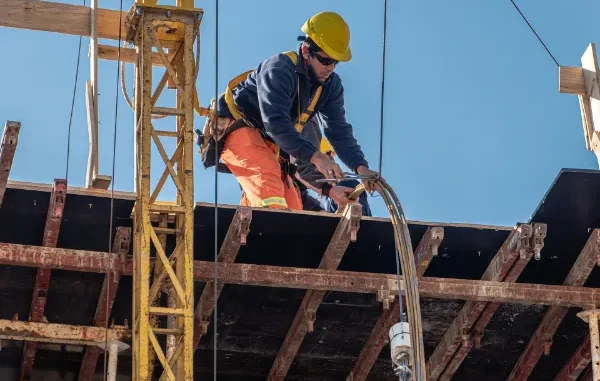
Construction sites operate under constant pressure to meet deadlines while maintaining strict safety standards. With multiple contractors, heavy equipment, and changing site conditions, maintaining a safe work environment requires careful planning and continuous oversight. A dedicated safety company helps ensure that safety remains a priority throughout every phase of a project.
Many contractors recognize that effective safety management goes beyond meeting regulatory requirements. Strong safety systems improve organization, reduce project interruptions, and create a more reliable working environment for crews. When safety programs are properly managed, teams can focus on completing work efficiently without unnecessary risks.
A professional safety partner can provide guidance, monitoring, and training that supports these goals. A Menotti NYC Safety Company, for example, may work closely with contractors to implement practical safety systems that protect workers while helping projects progress smoothly.
The Importance of Structured Safety Management

Safety management in construction requires more than occasional inspections or safety meetings. It involves a structured system designed to identify hazards, enforce procedures, and respond quickly when risks appear.
Construction projects evolve daily as new work phases begin and different subcontractors enter the site. Each stage introduces new hazards that require attention. A structured safety program ensures that risk management remains consistent throughout these changes.
Professional safety companies help establish these systems by creating policies, conducting inspections, and ensuring workers follow proper procedures. Their involvement provides an organized framework that helps maintain safety standards even during complex projects.
How Safety Companies Support Contractors
Many contractors rely on safety specialists to help manage jobsite risks while allowing supervisors to focus on construction tasks. Safety companies bring technical knowledge and practical experience that strengthen existing safety programs.
Their services often include safety audits, compliance reviews, incident investigations, and safety planning for new construction phases. These activities help identify potential hazards and ensure corrective actions are implemented quickly.
Working with an experienced provider like a Menotti NYC Safety Company can also help contractors stay aligned with evolving safety expectations within the construction industry.
Jobsite Inspections and Hazard Identification
Regular jobsite inspections play an essential role in preventing accidents. During inspections, safety professionals evaluate equipment usage, worker practices, and environmental conditions that may create hazards.
These inspections help identify issues such as missing fall protection, unsafe equipment placement, or improper material storage. Addressing these problems early can prevent injuries and reduce project delays.
Inspections also create accountability. When workers know that safety conditions are being reviewed regularly, they are more likely to follow established procedures and maintain safe practices.
Improving Communication Across Jobsite Teams
Construction projects involve coordination between many different workers and subcontractors. Without clear communication, safety procedures can easily become inconsistent or misunderstood.
Safety companies help improve communication by organizing safety meetings, toolbox talks, and safety briefings. These discussions provide opportunities to review hazards and remind workers of proper safety procedures before work begins.
A Menotti NYC Safety Company may also assist supervisors in communicating safety expectations clearly across all teams working on the project. This consistent messaging helps prevent confusion and reinforces safe work habits.
Encouraging Worker Participation in Safety Programs
Safety programs are most effective when workers feel involved in maintaining safe conditions. Encouraging employees to report hazards or suggest improvements strengthens the overall safety culture.
Workers often notice potential problems before supervisors or safety professionals do. Creating an environment where employees feel comfortable speaking up helps identify risks quickly.
Safety companies frequently support this process by reinforcing the importance of open communication. When workers know their concerns will be addressed, they become more engaged in protecting themselves and their coworkers.
Supporting Regulatory Compliance and Documentation
Construction companies must comply with a wide range of safety regulations designed to protect workers. Keeping track of these requirements can be challenging, especially on large projects with multiple contractors.
Safety companies assist by reviewing procedures, maintaining safety documentation, and ensuring projects follow current regulatory standards. Proper documentation demonstrates that safety systems are actively managed and maintained.
Working with a professional provider such as a Menotti NYC Safety Company can help contractors maintain accurate records related to inspections, training sessions, and incident reporting. This documentation can become extremely valuable during audits or project reviews.
Integrating Safety Into Daily Construction Operations
One of the biggest challenges in construction safety is making sure procedures are consistently followed. Safety programs must become part of everyday jobsite routines rather than occasional activities.
Daily safety briefings provide a practical way to accomplish this goal. These short meetings allow supervisors to review tasks for the day, highlight potential hazards, and remind workers of protective measures.
Safety companies often assist with implementing these daily routines. By helping supervisors maintain consistent safety communication, they reinforce the importance of safe work practices throughout the project.
Adapting Safety Strategies as Projects Progress
Construction sites change constantly as structures rise and work phases shift. Safety strategies must adapt to these changes to remain effective.
For example, early project phases may focus heavily on excavation safety, while later stages may require greater attention to fall protection or equipment coordination. Safety companies monitor these transitions and recommend adjustments to safety procedures as needed.
This flexibility helps ensure that safety planning keeps pace with the evolving conditions of the project.
Long Term Advantages of Professional Safety Partnerships
Working with a dedicated safety company can provide lasting benefits for construction firms. Contractors who invest in professional safety management often see improvements in project stability and worker protection.
Lower accident rates help reduce insurance costs and minimize delays caused by workplace incidents. These improvements can have a direct impact on overall project profitability.
Equally important, strong safety records enhance a contractor’s reputation. Clients and project partners often prefer companies that demonstrate a consistent commitment to protecting workers and maintaining safe construction environments.



Leave a Reply