

Picture this: you’re rushing through an airport terminal with a baby on your hip, a diaper bag slipping off your shoulder, and a nagging worry in the back of your mind — is the breast milk you pumped this morning still safe? For traveling parents, keeping expressed milk at the right temperature isn’t just a matter of convenience; it’s a genuine concern tied to their baby’s health and nutrition. Whether you’re commuting to work, visiting family across the country, or navigating a road trip, the challenge of maintaining proper milk storage conditions away from home is real and stressful.
This is exactly where a compact breast milk cooler bag becomes indispensable. Designed specifically for parents on the move, these bags offer reliable temperature control in a portable, travel-friendly package. In this article, we’ll walk you through everything you need to know about selecting and using the right cooler bag for your lifestyle — from essential features and choosing the best option to packing tips and integrating it into your breastfeeding kit. The goal is simple: give you the confidence, convenience, and peace of mind to travel without compromising your baby’s nutrition.
The Importance of Keeping Breast Milk Cold While Traveling
Breast milk is a living substance packed with antibodies, enzymes, and nutrients that are remarkably sensitive to temperature changes. When stored improperly, these beneficial components begin to degrade, and harmful bacteria can multiply rapidly. According to CDC guidelines, freshly expressed milk can remain at room temperature for up to four hours, but once that window closes, the risk of contamination increases significantly. For a traveling parent, four hours can pass in the blink of an eye — a delayed flight, an unexpected traffic jam, or a longer-than-planned outing can easily push milk beyond safe limits.
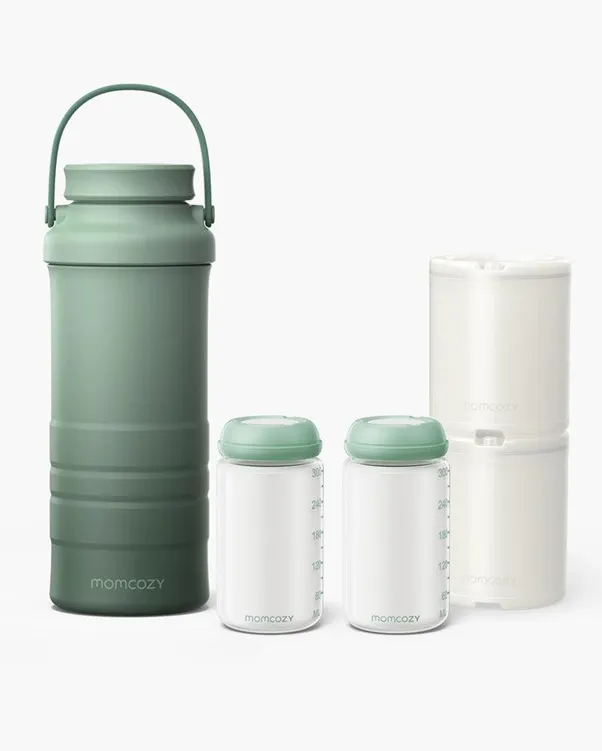
The challenges are compounded by the realities of travel. You rarely have immediate access to a refrigerator at an airport gate, in the backseat of a car, or on a train. Hotel mini-fridges may not maintain consistent temperatures, and asking strangers to store your milk isn’t exactly practical. Every degree matters: breast milk should be kept at or below 4°C (39°F) to remain safe for later feeding. Without a reliable cooling solution, parents face an uncomfortable choice between discarding hard-earned pumped milk or risking their baby’s health.
This is precisely why a breast milk cooler isn’t a luxury — it’s an essential tool. A purpose-built cooler bag bridges the gap between pumping and proper refrigeration, giving parents a controlled environment that keeps milk safe regardless of where the journey takes them. It transforms an unpredictable travel situation into one you can manage with confidence.
Key Features of an Effective Travel-Friendly Cooler Bag
Not all cooler bags are created equal, and when you’re trusting one to protect your baby’s nutrition, the details matter. A travel-friendly cooler bag needs to perform reliably across varying conditions — from sweltering summer car rides to air-conditioned airport lounges — while remaining practical enough that you’ll actually want to carry it. The best options combine serious thermal performance with thoughtful design elements that make a parent’s life easier rather than adding another source of frustration.
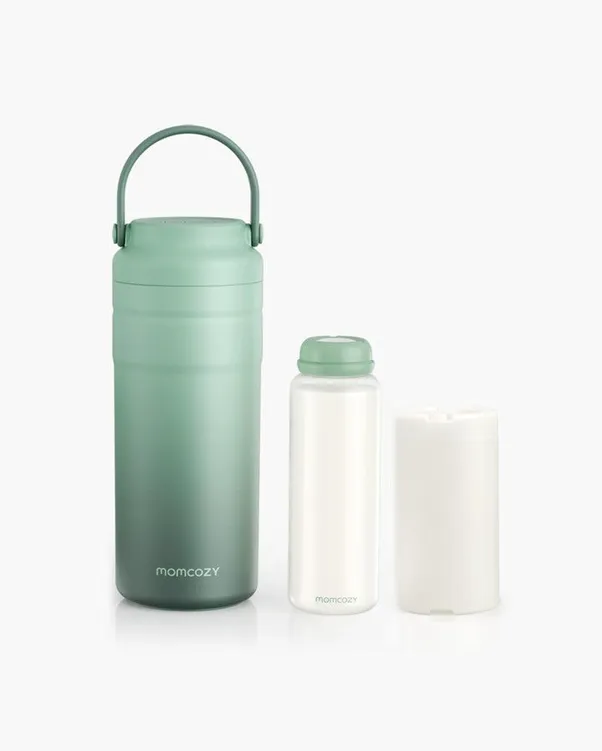
Beyond insulation, look for leak-proof construction that can handle a tipped-over bag without disaster, durable exterior materials that withstand the wear of daily travel, and interiors that wipe clean quickly when spills happen. Multiple compartments help separate ice packs from milk containers and keep everything organized during hectic moments. Adjustable straps or clip-on attachments let you secure the cooler to a stroller, diaper bag, or carry-on without occupying your hands. These aren’t luxury extras — they’re what separates a cooler bag you’ll rely on from one that ends up collecting dust in a closet.
Insulation and Temperature Retention
The core job of any breast milk cooler bag is maintaining temperatures at or below 4°C for as long as possible, and insulation quality determines whether it succeeds or fails. Most effective bags use multi-layer insulation — typically a combination of closed-cell foam and reflective interior lining that works together to slow heat transfer from the outside environment. The thicker and more continuous the insulation layer, the longer your milk stays cold.
Gel-based ice packs are the standard companion for these bags, and they outperform regular ice because they stay colder longer without creating a watery mess as they thaw. Some cooler bags come with contoured ice packs designed to wrap around bottles or storage bags, maximizing surface contact and cooling efficiency. To get the most out of your setup, freeze ice packs for at least twelve hours before use, pre-chill the bag itself in a refrigerator the night before travel, and minimize how often you open the bag — every opening lets warm air rush in and forces the system to work harder. In optimal conditions, a well-insulated bag with properly frozen packs can maintain safe temperatures for eight to twelve hours, giving most parents a comfortable buffer for even long travel days.
Design and Compactness for On-the-Go Use
When you’re already juggling a baby, a pump, bottles, and personal luggage, the last thing you need is a bulky cooler competing for space. The best travel cooler bags strike a balance between holding enough milk for a full day — typically four to six bottles or storage bags — while maintaining a footprint small enough to slide into a tote, fit under an airplane seat, or tuck into a stroller basket. Lightweight materials keep the overall load manageable, and structured designs prevent the bag from collapsing awkwardly when partially empty.
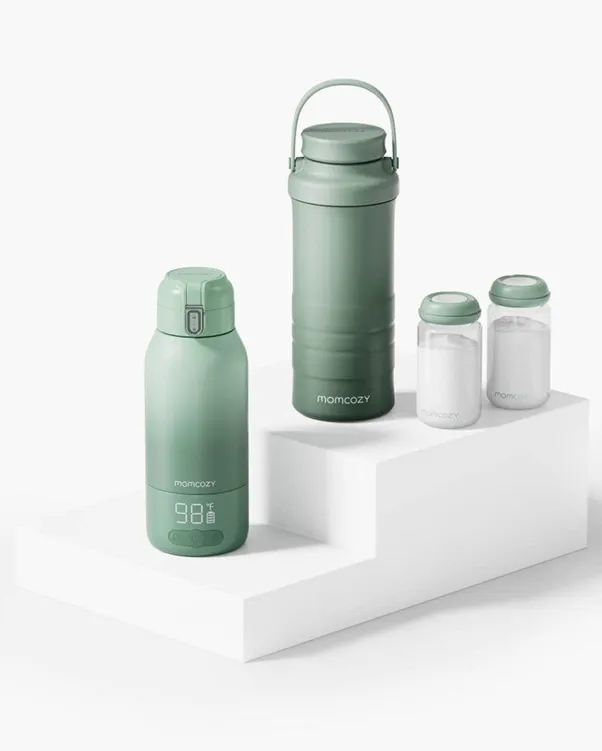
Some models feature foldable or collapsible construction, allowing you to flatten the bag once you’ve transferred milk to a refrigerator at your destination. Others integrate directly into larger diaper bag systems, functioning as a removable insert rather than a separate item to track. A compact cooler that doubles as part of your feeding kit — with dedicated slots for bottles and pump accessories — eliminates redundancy and streamlines your packing. The goal is a bag that feels like a natural extension of your travel setup rather than an additional burden to manage.
How to Choose the Best Breast Milk Cooler for Your Needs
Selecting the right breast milk cooler starts with honestly assessing how you travel. A parent who commutes thirty minutes to work each day has vastly different needs than one preparing for a cross-country flight with layovers. Begin by identifying your typical trip duration — if you’re regularly away from refrigeration for six hours or more, prioritize bags with superior insulation and space for extra ice packs over ultra-compact options that sacrifice thermal performance for size.
Next, consider how frequently you’ll use the cooler. Daily commuters benefit from durable, easy-to-clean bags that can handle repeated use without breaking down, while occasional travelers might prioritize lightweight portability and collapsible designs that store easily between trips. Your budget matters too, but think of it as an investment in your milk supply — replacing spoiled milk with formula or enduring extra pumping sessions costs more in the long run than spending a bit more upfront on a reliable cooler.
When comparing options, soft-sided bags generally offer better portability and flexibility for fitting into tight spaces, while hard-shell cases provide superior protection against crushing and slightly longer temperature retention. Read reviews from other breastfeeding parents specifically, as their feedback reflects real-world travel conditions rather than laboratory testing. Brands like Momcozy, which specialize in mother and infant products, often design cooler bags that pair seamlessly with their breast pump systems — a worthwhile consideration if you already use their pumps or bottles. Check that any cooler you consider meets food-safety standards and uses BPA-free, non-toxic materials throughout — your milk containers will be in direct contact with interior surfaces. Finally, think about compatibility with your existing pump and bottle system. A cooler that accommodates your specific bottle size or storage bag brand without wasted space will serve you far better than a generic option that forces awkward arrangements every time you pack.
Step-by-Step Guide to Using Your Breast Milk Cooler Bag Efficiently
Owning a quality cooler bag is only half the equation — using it correctly ensures your milk stays safe from the moment you pump to the moment it reaches your baby or a refrigerator. A systematic approach to preparation, monitoring, and maintenance turns your cooler from a simple insulated bag into a dependable cold-chain system you can trust through any travel scenario.
Pre-Travel Preparation and Packing
Start the night before your trip by placing your cooler bag in the refrigerator — a pre-chilled bag gives your ice packs less work to do and extends overall cold retention. Freeze your gel packs for a full twelve hours minimum; partially frozen packs lose effectiveness dramatically within the first few hours. When you’re ready to pack, place one ice pack at the bottom of the bag, arrange your milk containers — whether bottles or flat-frozen storage bags — in a tight configuration with minimal air gaps, then position a second ice pack on top. Flat storage bags are particularly travel-efficient because they stack neatly, freeze faster, and thaw more evenly than round bottles. Label each container with the date and time of expression so you can use the oldest milk first. If you plan to pump during your trip, leave space in the bag for fresh containers and pack an extra ice pack in a separate freezer bag as a backup.
During Travel: Temperature Monitoring and Adjustments
Consider tucking a small digital thermometer inside your cooler bag so you can check conditions without prolonged opening. A quick glance tells you whether temperatures remain below 4°C or whether intervention is needed. Keep the bag sealed as much as possible — designate specific times to access milk rather than opening it repeatedly throughout the day. If you face unexpected delays and notice temperatures creeping upward, seek out ice from airport restaurants, convenience stores, or hotel front desks and place it in a sealed plastic bag alongside your existing packs. Store the cooler in the coolest available spot: on the floor of an air-conditioned car rather than in a sun-heated trunk, or under the seat on a plane rather than in an overhead bin near cabin lighting. After your trip, transfer milk to proper refrigeration immediately and clean the bag’s interior with warm soapy water, allowing it to air dry completely before storing it to prevent mold or odor buildup.
Integrating Your Cooler into Your Breastfeeding Essentials Kit
A breast milk cooler bag works best when it’s part of a thoughtfully assembled feeding kit rather than a standalone item you grab as an afterthought. Traveling parents typically need their pump (or a compact manual backup), extra bottles or storage bags, breast pads, a small bottle of sanitizing spray or wipes for quick cleaning, and a muslin cloth for privacy during pumping sessions. The cooler bag serves as the anchor piece that ties everything together — choose one with external pockets or companion compartments where you can stash pump parts, nipples, and caps so they’re accessible without digging through your main luggage.

Organization is everything when you’re managing feeds on a tight schedule. Pack your kit the same way every time so muscle memory takes over during stressful moments: pump components on one side, clean storage containers ready to go, cooler bag pre-chilled with ice packs in place. Some parents dedicate a single tote or backpack exclusively to their breastfeeding setup, keeping it separate from the diaper bag to avoid clutter and confusion. When your cooler integrates seamlessly into this system — compact enough to nest alongside your other essentials without crowding them out — you eliminate the frantic searching and last-minute packing that turns travel into chaos. A complete, well-organized kit means you can pump, store, and feed confidently no matter where your day takes you.
Travel Confidently With the Right Cooler Bag
Traveling as a breastfeeding parent doesn’t have to mean choosing between your mobility and your baby’s nutrition. A compact breast milk cooler bag solves one of the most pressing challenges parents face on the go — keeping expressed milk at safe temperatures when refrigeration isn’t available. The right cooler combines reliable insulation, thoughtful design, and portability into a package that fits naturally into your travel routine rather than complicating it.
When choosing your cooler, let your actual travel patterns guide the decision. Match insulation performance to your typical time away from refrigeration, prioritize durable and leak-proof construction for daily use, and ensure compatibility with your existing bottles and pump system. Once you have the right bag, use it systematically — pre-chill before packing, minimize openings during transit, monitor temperatures, and clean thoroughly after each use. Integrated into a well-organized breastfeeding essentials kit, your cooler becomes the foundation of a stress-free feeding system that works anywhere.
Every ounce of breast milk represents time, effort, and dedication. Protect that investment by planning ahead and equipping yourself with a cooler bag you can depend on. Start by evaluating your travel needs today, research options that match your lifestyle, and take the next trip knowing your baby’s nutrition is safely handled — no matter where the journey leads.



Leave a Reply