
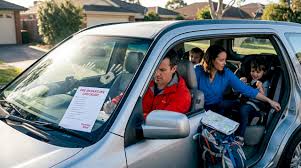
Road trips have a way of making people feel wonderfully free and strangely overconfident at the same time. The playlist is loaded, snacks are stacked in the passenger seat, and the GPS promises a scenic shortcut that may or may not involve gravel roads and disappearing cell service. Most travelers remember jumper cables and sunscreen. Fewer think through what they would actually do if something went wrong.
A smart personal safety plan is less about fear and more about reducing chaos before it starts. The goal is simple: stay calm, stay mobile, and avoid turning a manageable inconvenience into a stressful situation.
According to FEMA, a basic vehicle emergency kit should include water, first-aid supplies, flashlights, phone chargers, blankets, and backup batteries. That sounds boring right up until a dead battery or highway closure turns a two-hour drive into an overnight delay.
The best road-trip safety plans are practical, flexible, and realistic about how people actually travel.
Start With the Route, Not the Gear
People often buy equipment before thinking about where they are going. A smarter approach starts with geography.
Driving through densely populated cities creates one set of concerns: parking garages, theft prevention, navigation stress, and late-night fuel stops. Rural routes create another: longer emergency response times, weak phone signals, and fewer open businesses after dark.
Before leaving, take five minutes to identify:
- Emergency fuel stops
- Hospitals or urgent care centers along the route
- Areas with poor reception
- Alternate routes in case of weather or closures
- Safe overnight parking locations
None of this requires paranoia. It is simply easier to make good decisions before fatigue enters the picture.
Keep Your Vehicle Boring
A dependable vehicle is one of the best safety tools on the road. Not glamorous. Extremely useful.
The National Highway Traffic Safety Administration recommends checking tire pressure, fluid levels, brakes, lights, and windshield wipers before long drives.
The goal is to avoid preventable problems that leave you stranded in unfamiliar places.
Inside the vehicle, organization matters more than people expect. Keep important items accessible:
- Phone charger
- Flashlight
- Medication
- Emergency contact information
- Small first-aid kit
- Water
- Portable battery bank
Preparedness should make the trip feel calmer, not heavier.
Build Habits That Reduce Attention
Many road-trip problems begin long before an emergency appears. A tired driver walks into a dim gas station distracted by texts. A traveler leaves luggage visible in the back seat. Someone posts their exact hotel location publicly before arriving.
Small habits matter:
- Lock the car immediately after entering
- Avoid leaving bags visible
- Share your route with one trusted contact
- Refuel before the tank becomes urgent
- Keep your phone charged above 50% whenever possible
Personal safety is usually a collection of ordinary decisions repeated consistently.
Hotels Deserve More Attention Than People Give Them
After a long drive, most travelers rush through hotel check-in without noticing much around them. Slow down for thirty seconds.
Park in a well-lit area if possible. Avoid announcing your room number loudly. Once inside the room, check door locks and identify the nearest exit route. Keep keys, wallet, and shoes in the same location overnight so there is no confusion during an unexpected evacuation.
This is also where many travelers reassess what personal protection means for them. For some people, that may involve pepper spray where legal. For lawful firearm owners, it may include secured carry equipment handled responsibly and in compliance with local laws.
Gear does not replace judgment. It supports it.
Know the Laws Before Crossing State Lines
Road trips often cross multiple jurisdictions in a single day. Laws involving transportation, storage, and defensive tools can vary widely by state and locality.
Travelers should review applicable transportation rules before departure, especially if flying or crossing state lines with firearms or ammunition. Resources like the TSA firearm transport guidelines and the Cornell Legal Information Institute can help travelers verify current federal transportation standards.
For lawful carriers, ammunition choice is one small part of a larger safety system. Some compare options such as civil defense ammo based on reliability, recoil feel, point of impact, controllability, and how it performs in their specific firearm. The practical standard is simple: it should feed reliably, shoot predictably, and be tested with the actual firearm and magazines being used.
Then the focus returns to the larger issue: avoiding problems in the first place.
Your Safety Plan Should Lower Stress
A smart safety plan should not make travel feel tense or theatrical. If the preparation process leaves someone imagining disaster around every corner, the plan has probably drifted too far into fantasy.
Most road trips will remain pleasantly uneventful. That is the point.
Preparedness works best when it fades quietly into the background. The flashlight is charged. The spare tire is usable. The hotel door locks properly. The route is saved offline. The serious tools, if present, are secured, maintained, and understood.
No drama. No mythology. Just the boring details handled before they matter.




Leave a Reply