

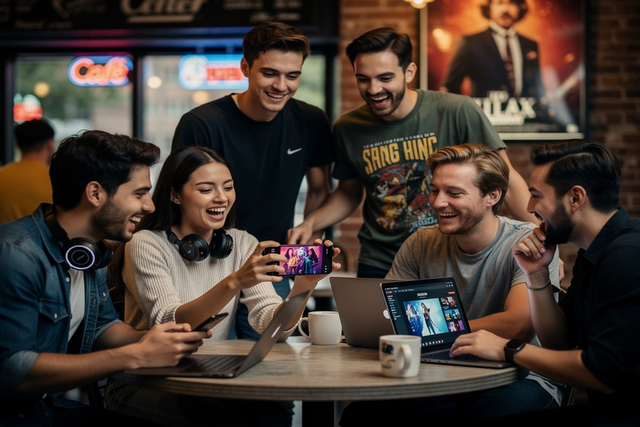
Let us drop the pretense. Pop culture is not a distraction from real life. It is the operating system running underneath it. You can pretend you are above it, that you only watch documentaries and read dense novels, but the memes you quote, the slang you use, and the shows you binge decide more about your daily behavior than any policy paper ever will. That is the uncomfortable truth most people avoid because admitting it feels cheap.
The Machinery Behind the Noise
Pop culture works because it is fast, sticky, and shameless. It bypasses the parts of your brain that demand justification. A catchphrase spreads faster than a well-researched argument, and a viral clip reshapes opinion before the fact-checkers finish their coffee. Analysts who study how popular culture shapes our world, like the writers examining life beyond the billboard, keep landing on the same conclusion: the stories we consume for entertainment quietly install our values, our fears, and our purchasing reflexes.
This is not accidental. Entire industries are built to engineer resonance. Marketers do not sell products anymore; they sell identity kits assembled from whatever is trending this week. You buy the sneakers because a musician wore them, not because your feet demanded them. Cynical? Sure. Wrong? Not remotely.
How It Rewires Ordinary Choices
Look at how you talk. Half your vocabulary was borrowed from a screenwriter or a rapper. Look at how you eat, dress, and date. Streaming platforms decide which restaurants trend, which cities feel aspirational, and which relationships look normal. The dating apps mimic the emotional beats of romantic comedies because that is the template people already carry in their heads.
Even industries that seem purely functional bend to cultural currents. Gaming and gambling platforms study fandom obsessively, and reporting on how pop culture is shaping the casino scene shows themed slots, celebrity tie-ins, and cinematic interfaces engineered to feel like the media you already love. Nobody builds a plain interface anymore when they can wrap it in a franchise you are emotionally attached to.
The Digital Acceleration
The internet did not just spread pop culture; it weaponized its speed. Trends now have the shelf life of milk, which means the machine has to produce constantly. That churn keeps you engaged and slightly anxious, which is precisely the point. An engaged, anxious audience clicks, buys, and returns.
Online entertainment is a clean example of this feedback loop. The evolution of live casino experiences mirrors what streaming did to television, blending real-time interaction with the polished production values audiences now expect as a baseline. Deeper analysis of how pop culture influenced the evolution of online platforms reveals a simple pattern: whatever people worship in their media, someone builds a product around it within months. Culture leads, commerce follows, and you fund both without noticing.
Why Fighting It Is Pointless
Here is where the burned-out realism kicks in. You cannot opt out. Even rejecting pop culture is a pop-culture posture, complete with its own aesthetics and smug community. The person who brags about not owning a television is performing a script just as scripted as the influencer they mock.
The smarter move is not resistance but awareness. Understand that your instincts are partly manufactured. Notice when a craving arrives fully formed, suspiciously convenient, and perfectly aligned with something you saw last night. That pause is the only real freedom you get. It will not stop the machine, but it stops the machine from operating you on autopilot.
The Practical Takeaway
Pop culture shapes everyday life because it is efficient at doing what nothing else does: it makes meaning feel effortless. It hands you ready-made emotions, opinions, and identities so you do not have to build your own from scratch. Most people accept the trade gladly because thinking is expensive and belonging is cheap.
So use it deliberately. Let the good parts sharpen your taste and connect you to others, and treat the manipulative parts as the sales pitches they are. Consume with your eyes open. The culture will keep pushing regardless, but at least you will know exactly what is pushing you, and why it works so well.




Leave a Reply