
Introduction: Ground Stability in the Canadian Industrial Context
In Canada, construction and logistics operations are influenced by seasonal changes, including freeze and thaw cycles that affect soil stability. Warehouses, loading zones, and access routes often require regular ground preparation to maintain safe and stable surfaces. Poor compaction can lead to uneven ground, water accumulation, and long term structural issues.
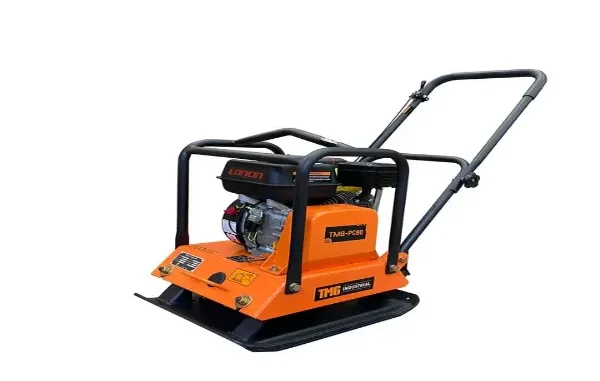
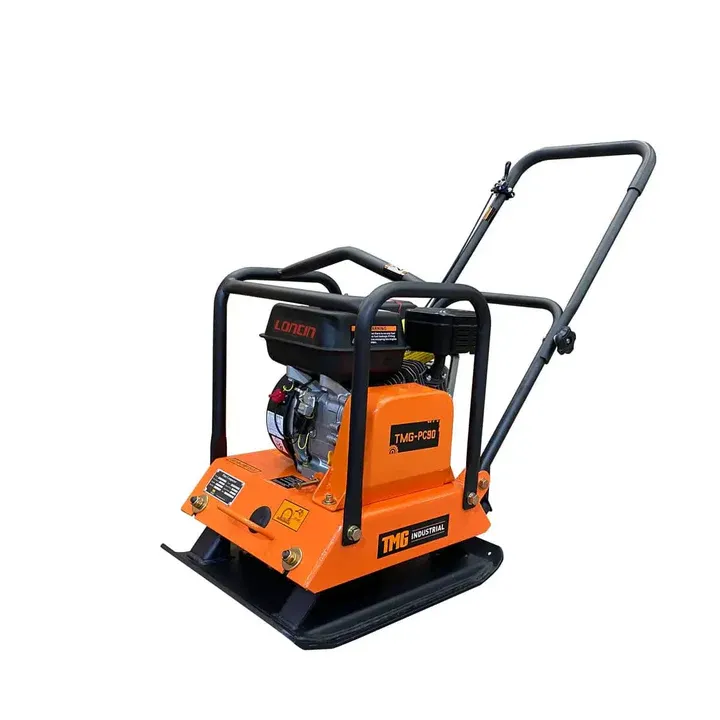
A vibratory plate compactor is widely used to improve surface density in soil, gravel, and asphalt. For warehouse managers and equipment operators, understanding how compaction equipment contributes to site preparation is essential for maintaining operational safety and efficiency.
Technical Overview and Common Applications
Basic Working Principle
A vibratory plate compactor operates by generating rapid vibrations through a heavy steel plate. These vibrations force air out of the soil and bring particles closer together, increasing density. The combination of weight and vibration improves compaction efficiency compared to static methods.
Typical Use Cases
Common applications include:
- Preparing warehouse floors and outdoor storage areas
- Compacting gravel paths and access routes
- Supporting pavement and asphalt repair work
- Stabilizing base layers for equipment placement
Efficiency, Safety, and Productivity Considerations
Proper compaction improves the durability of surfaces and reduces maintenance needs. In logistics environments, stable ground ensures that forklifts and transport equipment can operate safely without risk of tipping or uneven movement.
Efficiency gains include:
- Reduced repair frequency for surfaces
- Improved load distribution
- Lower risk of operational delays caused by ground failure
Safety benefits are directly linked to reduced hazards such as surface collapse, vibration related equipment instability, and water pooling.
Technical Requirements and Capability Considerations
When selecting a vibratory plate compactor, several technical factors must be evaluated:
- Engine power, such as a six point five horsepower gasoline engine
- Plate size and weight
- Vibration frequency and amplitude
- Compaction depth capability
Operators must match the machine to the material type and project scale. Over or under powered equipment can reduce effectiveness and increase wear.
Factors Affecting Performance and Effectiveness
Several factors influence compaction quality:
- Soil composition, including sand, gravel, or clay content
- Moisture level of the material
- Number of passes over the same area
- Operator control and movement speed
For example, dry soil may not compact effectively, while overly wet soil can become unstable. Achieving the correct moisture balance is critical for optimal results.
Safety Considerations and Best Practices
Safe operation of vibratory plate compactors requires attention to both equipment and environmental conditions:
- Inspect the machine before operation
- Wear appropriate protective equipment such as gloves and hearing protection
- Maintain stable footing during operation
- Avoid operating on steep slopes or unstable ground
- Monitor vibration exposure over time
Operators should also be trained to recognize signs of equipment malfunction, including unusual vibration patterns or reduced performance.
Equipment Types and Related Tools
Ground preparation often involves multiple types of equipment:
- Vibratory plate compactors for surface compaction
- Rammers for deeper compaction in confined spaces
- Rollers for large scale compaction projects
- Excavators for initial soil preparation
Each tool is selected based on project requirements and site conditions.
Advantages and Limitations
Advantages include:
- Efficient compaction of granular materials
- Ease of transport and operation
- Suitable for both small and medium scale tasks
Limitations include:
- Limited depth of compaction compared to larger machines
- Less effective on cohesive soils such as clay
- Operator fatigue due to vibration exposure
Real World Application Example
A warehouse expansion project in British Columbia required stable ground preparation for a new loading zone. The project team used vibratory plate compactors to prepare the gravel base before asphalt installation. By following a structured compaction process and monitoring moisture levels, the team achieved a stable surface that supported heavy vehicle traffic without early degradation.
Conclusion and Future Trends
TMG Industrial Vibratory plate compactors are essential tools for ensuring stable ground conditions in industrial and logistics environments. Their role in improving surface durability and safety makes them a key component of site preparation.
Future developments may include improved vibration control systems, enhanced engine efficiency, and increased focus on operator comfort. As infrastructure demands continue to grow, effective compaction practices will remain central to safe and efficient industrial operations.
Related posts:
 Navigating Economic Collapse Blog
 How Verified Consultants Can Help You Close Office Deals Faster in Bangalore
 How Maya Thompson Turned $100 Into a Million-Dollar Empire
 What Is a Road Trading Strategy? A Trend Method for FX Beginners
 Refinancing Your Home Loan After RBI Rate Cuts: A Smart Way to Save
Leave a Reply