
Addiction recovery is not one-size-fits-all, especially for women balancing careers, children, relationships, financial stress, and mental health struggles at the same time. A treatment option that works for one woman may feel completely wrong for another. Some women need structure and medical support, while others need flexibility that allows them to keep working or caring for their families during treatment.
The good news is that treatment options have expanded dramatically over the last decade. Women now have more choices that fit different lifestyles, comfort levels, and stages of recovery. Whether someone wants privacy, intensive support, or a gradual step into treatment, there are real options available that do not involve putting life completely on hold.
Virtual IOP
For many women, virtual treatment has changed the conversation around getting help. A virtual intensive outpatient program allows women to attend therapy sessions, group counseling, and recovery support from home while still maintaining daily responsibilities. Mothers can still get their kids to school. Professionals can continue working. Caregivers do not have to disappear from their families for weeks at a time.
Many women are turning to virtual IOP in California, Florida or anywhere else because it offers flexibility without removing accountability. Sessions are structured and scheduled, but participants can join from a private space at home instead of traveling to a facility every day. That level of convenience matters more than people realize, especially for women who already feel stretched thin before treatment even begins.
Virtual IOP programs often include individual therapy, relapse prevention education, trauma-focused counseling, and peer support groups. Since anxiety and depression frequently overlap with addiction, many programs also address mental health concerns at the same time. Women who once delayed treatment because they could not leave work or family responsibilities now have an option that feels realistic instead of impossible.
Medical Detox
Detox is usually the first step for women dealing with alcohol dependence, opioids, benzodiazepines, or other substances that can trigger dangerous withdrawal symptoms. This process allows the body to stabilize while medical professionals monitor physical and emotional symptoms closely.
Some women assume detox means an uncomfortable hospital environment with no emotional support. In reality, many modern detox programs focus heavily on comfort, safety, nutrition, and emotional care. Certain facilities even incorporate holistic elements alongside traditional medical supervision.
Programs centered around wellness detox approaches may include hydration therapy, balanced meals, sleep stabilization, mindfulness practices, and counseling support during the withdrawal process. While detox alone is not full treatment, it creates a safer foundation for long-term recovery. Women who try to stop certain substances on their own can face serious health risks, which is why medical supervision matters.
Detox can also provide emotional relief. Many women spend years feeling trapped in cycles of guilt and secrecy before finally seeking help. Simply entering a safe environment where professionals understand addiction often lowers stress levels almost immediately.
Residential Treatment
Residential treatment remains one of the most effective options for women needing a complete break from destructive environments or unhealthy routines. Inpatient programs provide around-the-clock support in a structured setting where recovery becomes the main priority.
This option works especially well for women dealing with severe addiction, repeated relapses, unsafe home situations, or co-occurring mental health concerns. Residential care removes many outside distractions and allows women to focus entirely on therapy, emotional healing, and physical recovery.
Women-only residential programs can also create a stronger sense of safety and openness. Many women feel more comfortable discussing trauma, relationships, parenting stress, or abuse histories in female-focused environments. That comfort can make therapy more productive and honest.
Treatment schedules in residential care are often packed with individual counseling, group therapy, wellness activities, educational sessions, and recovery planning. It is not a vacation, despite what some people assume. The days are structured with purpose, and that consistency helps many women rebuild healthy habits after years of chaos.
Outpatient Therapy
Not every woman requires intensive treatment. Some are in earlier stages of addiction, while others have already completed detox or residential care and need continued support afterward. Outpatient therapy gives women the ability to attend scheduled counseling sessions while continuing normal daily routines.
This option can include individual therapy, group therapy, medication management, or specialized counseling for trauma and anxiety. Many women benefit from cognitive behavioral therapy because it helps identify destructive thought patterns and unhealthy coping mechanisms tied to substance use.
Outpatient care can also help women rebuild confidence gradually. Recovery is not only about stopping substance use. It is about learning how to manage stress, relationships, loneliness, and emotional triggers without returning to old habits. Consistent therapy sessions create accountability while giving women practical tools they can actually apply in real life.
For women with strong support systems and stable home environments, outpatient treatment can be highly effective without requiring full-time residential care.
Peer Support Groups
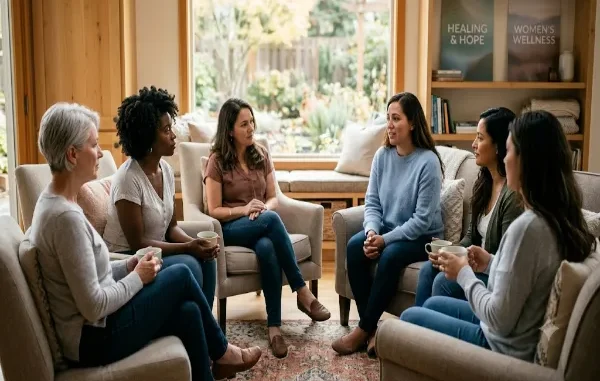
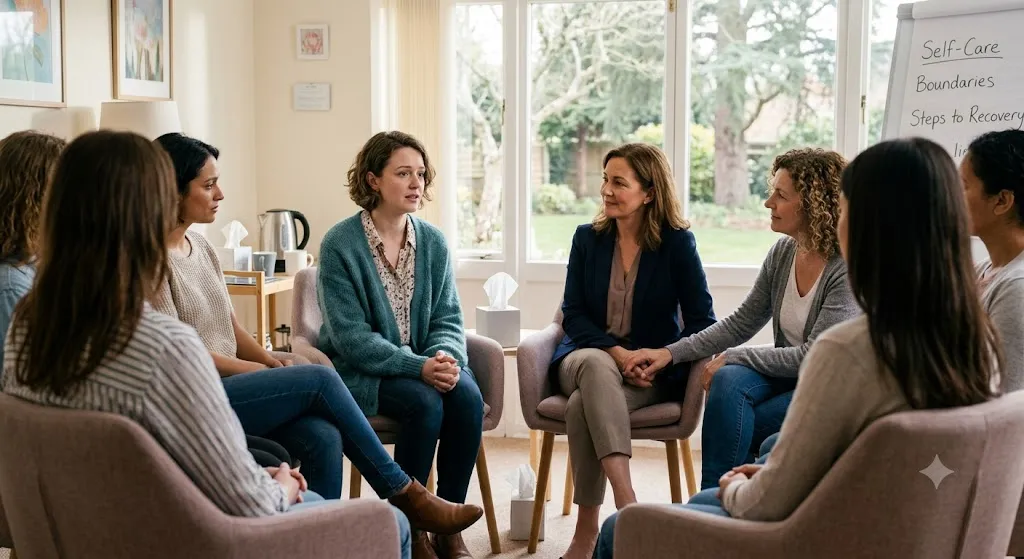
Support groups are often underestimated, but they remain one of the most valuable recovery tools available. Addiction thrives in secrecy and isolation. Recovery becomes easier when women realize they are not the only ones struggling.
Peer support groups create space for honesty without judgment. Women hear stories from others facing similar fears, setbacks, parenting struggles, and emotional battles. That connection matters because addiction often convinces people they are alone or beyond help.
Some women prefer traditional 12-step programs, while others feel more comfortable in alternative recovery groups focused on empowerment, mindfulness, or mental health support. There is no single right answer. The important thing is finding a group where honesty feels possible.
Support groups also provide long-term consistency. Treatment programs eventually end, but recovery continues long after formal care is complete. Having regular support from people who understand addiction firsthand can help women stay grounded during stressful periods or emotional setbacks.
The best treatment option is the one a woman will realistically commit to and continue. Some women need intensive residential care. Others succeed through virtual programs, outpatient therapy, or ongoing support groups. Recovery rarely looks identical from person to person, and that is completely normal. The important thing is taking the first step toward treatment instead of waiting for life to completely fall apart first.
Related posts:
 Simple Tips And Tricks To Help You Improve Your Health And Wellness
 Fun Facts About Milk
 Regaining Control on the Road to Recovery: What You Need to Know
 🦷 Emax vs Zirconia: Which Dental Veneer Is Better for Your Smile?
 Medical Malpractice in Florida: What Every Healthcare Provider Should Understand
Leave a Reply