
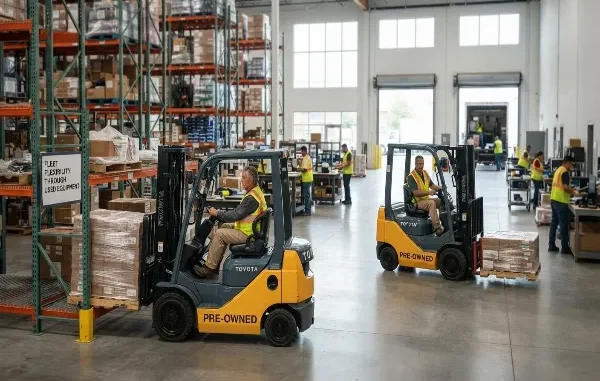
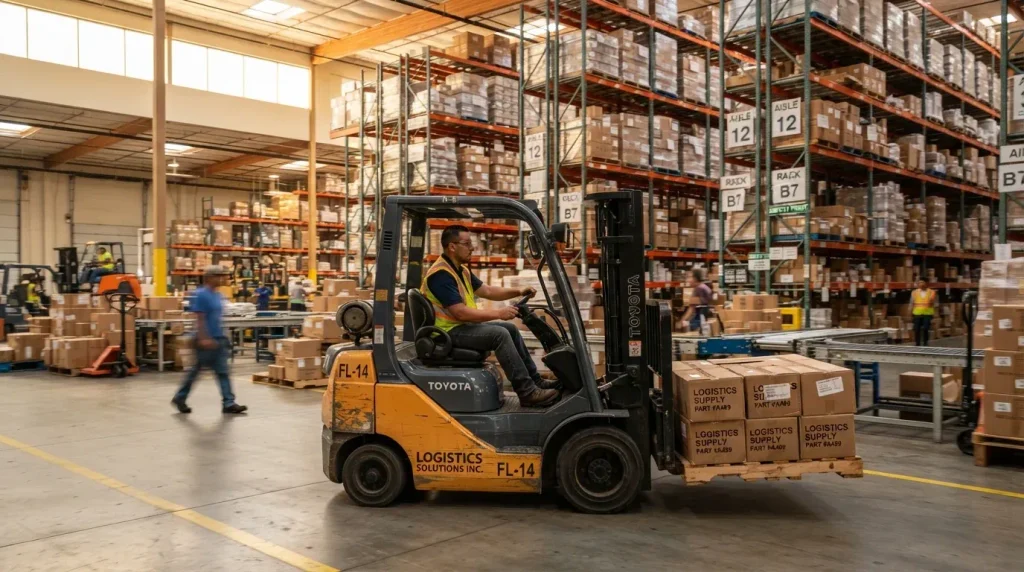
Material handling equipment is an essential component of daily productivity in firms that manage warehouses, distribution centres, and industrial processes. Forklifts assist to move goods, manage inventories, and keep supply chains functioning smoothly. However, purchasing new equipment is not always the most feasible solution, especially for firms on a tight budget or looking to expand their operations.
This is where pre-owned equipment can be a useful alternative. Choosing from a selection of used forklifts for sale allows firms to gain necessary material handling capabilities without spending the same amount of capital required for new machinery. When appropriately selected, a used forklift can deliver consistent performance while freeing up budget for other operational objectives.
The decision is not merely to spend less. It is about selecting equipment that satisfies present needs, increases productivity, and makes commercial sense in the long run.
Why Businesses Are Considering Pre-Owned Forklifts
Capital expenditure decisions directly influence business growth. Purchasing new machinery may provide access to the most recent features, but it can also put significant strain on available budgets. Allocating capital among numerous operational demands is frequently a priority for smaller enterprises, expanding warehouses, and companies with multiple sites.
Pre-owned forklifts offer another purchase choice. Depending on their age, condition, specifications, and maintenance history, they can provide the functionality needed for daily material handling for a cheaper initial cost.
This can be particularly useful for businesses that need additional equipment during busy trading periods, are expanding storage capacity or want to replace an ageing machine without making a substantial investment.
How Used Forklifts Can Support Business Growth
1. Better Control Over Equipment Costs
One of the main advantages of purchasing used equipment is the opportunity to reduce upfront expenditure. Businesses can direct the savings towards other areas, including inventory, staffing, warehouse improvements and logistics.
For companies considering multiple forklifts for sale, comparing new and pre-owned options can help establish a more balanced equipment budget. Rather than purchasing every machine new, businesses can assess where newer technology is essential and where a well-maintained used model may be sufficient.
This approach can make equipment expansion more manageable without compromising essential operational requirements.
2. Supporting Changing Warehouse Requirements
Warehouse requirements rarely remain static. Increased order volumes, seasonal demand, new product categories and changes in storage layouts can all create a need for additional material handling equipment.
A pre-owned forklift can help businesses respond to these changes without immediately committing to a larger capital investment. For example, a distribution business experiencing a temporary increase in stock movement may benefit from adding another suitable forklift to its existing fleet.
The key is selecting equipment that matches the application, including lifting capacity, operating environment, load dimensions and available manoeuvring space.
3. Improving Fleet Flexibility
Not every warehouse operation requires the same type of forklift. Some environments need counterbalance forklifts for general material handling, while others benefit from reach trucks for narrow-aisle storage or electric models for indoor operations.
The availability of second-hand equipment gives businesses an opportunity to consider different configurations based on their specific requirements.
It also allows fleet managers to allocate equipment according to workload. A business may use a newer machine for intensive daily operations while assigning a suitable pre-owned forklift to less demanding tasks.
This flexibility can help businesses make better use of their existing resources.
What to Consider Before Buying a Used Forklift
The value of a pre-owned forklift depends heavily on its condition and suitability for the intended application. A lower purchase price does not necessarily translate into lower ownership costs if the machine requires frequent repairs or extensive maintenance.
Before making a purchase, businesses should assess several important factors.
Service History and Operating Hours
Request the forklift’s maintenance and inspection records. These provide insight into previous usage, servicing intervals, repairs and any recurring mechanical issues. Operating hours can also help indicate how extensively the machine has been used, although they should always be considered alongside its overall condition.
Lifting Capacity and Equipment Specifications
Check that the forklift’s rated lifting capacity, lift height, mast configuration and attachments are suitable for the loads being handled. The operating environment also matters. Electric forklifts may suit indoor applications, while other power options may be more appropriate for particular outdoor conditions.
Safety Features and Mechanical Condition
Inspect the forks, mast, tyres, brakes, hydraulics, operator restraints and warning systems. Any modifications, structural damage or missing safety components should be investigated before the equipment enters service.
WorkSafe Victoria recommends reviewing the maintenance and inspection history and arranging an inspection and service before putting a second hand forklifts for sale.
Spare Parts and Ongoing Support
Availability of compatible spare parts and access to qualified technicians can influence the long-term ownership experience. Businesses should consider maintenance requirements, potential repair costs and the availability of ongoing technical support before committing to a purchase.
Making the Right Investment for Long-Term Operations
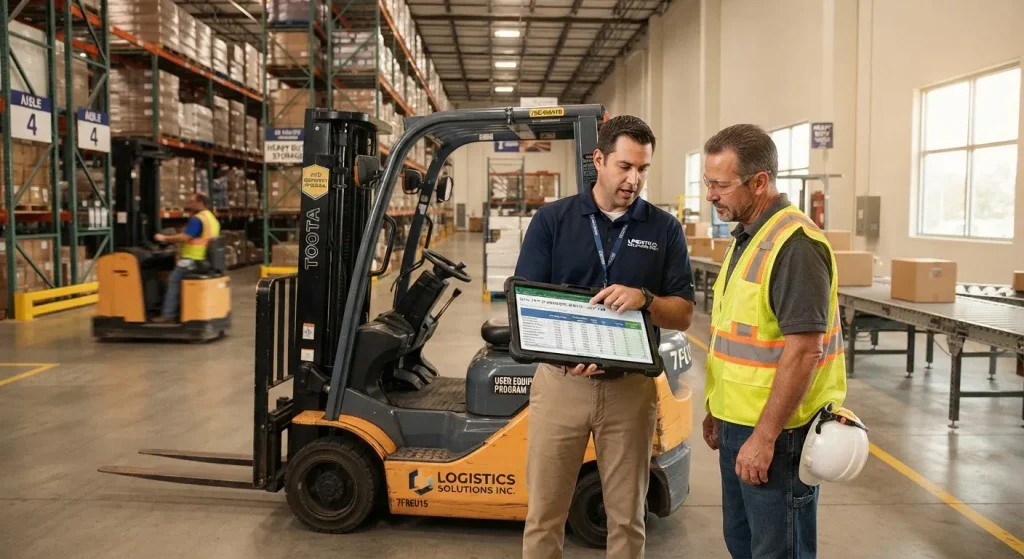
Buying pre-owned equipment should be approached as a business decision rather than simply a cost-saving exercise. The right forklift needs to perform reliably, suit the workplace and support the demands placed on it.
Businesses should compare the total cost of ownership, including the purchase price, servicing, repairs, energy or fuel consumption and any modifications required. A machine that costs less initially may not offer the same overall value if it requires substantial work before it can be used safely.
It is also worth considering future operational requirements. A forklift that meets today’s workload should ideally remain suitable as stock volumes, warehouse layouts and handling demands change.
Conclusion
Pre-owned forklifts can offer businesses a practical way to expand material handling capacity, manage capital expenditure and maintain operational flexibility. The benefits, however, depend on choosing equipment that is mechanically sound, properly maintained and suited to its intended application.
By assessing service records, safety features, lifting requirements and ongoing support, businesses can make more informed purchasing decisions. Whether expanding an existing fleet or replacing older machinery, the right used equipment can become a valuable part of a warehouse’s long-term growth strategy.
Related posts:
 What Is a Road Trading Strategy? A Trend Method for FX Beginners
 Refinancing Your Home Loan After RBI Rate Cuts: A Smart Way to Save
 Building a Scalable Business Through Accelerator Mentorship and Capital
 How Charter Bus Rentals In Brooklyn Improve The Group Travel Experience
 Industrial Asbestos Removal: What Facility Owners Need to Know Before Work Begins
Leave a Reply