
In the fast-evolving world of web design efficiency and aesthetics go hand in hand Whether you’re a developer creating multiple websites or a business owner launching your first online presence HTML templates have become indispensable tools They provide a structured foundation for web pages helping users build visually appealing and responsive websites in record time In this article we’ll explore the essence of HTML templates their benefits and how they can transform the way you approach website creation.
What Are HTML Templates?
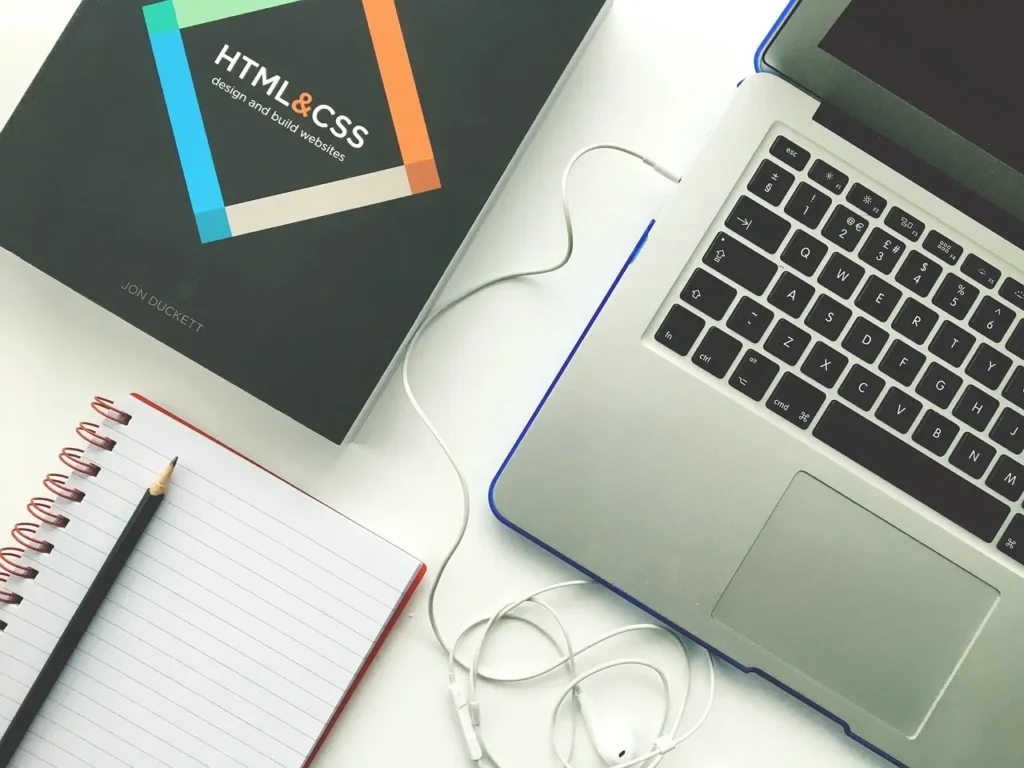
HTML templates are simply the ready-to-use webpage templates that are created using the HTML and thus you do not have to build your websites using plain text. They are a skeleton or a blueprint that allows one to make customizations to colors, images, text, layouts etc. In the majority of them, CSS and JavaScript are already inbuilt, leaving your site up to date, dynamic and mobile-friendly.
You need a business site, a portfolio, an online store, then you just select a template that feels good with your brand, customize the components to your needs and you have saved hours of coding time and the appearance of all pages looks identical.
Why HTML Templates Are Essential for Web Designers
One of the key advantages of HTML templates is time efficiency Instead of writing hundreds of lines of code manually developers can use pre-coded layouts that already follow best design practices This accelerates development while maintaining professional standards.
Secondly HTML templates ensure responsive design With the majority of users accessing websites on mobile devices responsiveness is crucial Most templates today are designed with flexible grids and media queries that automatically adapt to different screen sizes.
Moreover templates encourage creative consistency When working on multiple web pages—like home about and contact pages—templates ensure that typography spacing and colors remain uniform throughout the site This creates a polished user-friendly experience.
If you want to explore a wide range of high-quality templates for your next web project and discover modern customizable options.
Types of HTML Templates
HTML templates come in various categories each serving a specific purpose Below are some popular types:
- Business Templates: Ideal for corporate websites startups and agencies They often include service sections contact forms and client testimonials
- Portfolio Templates: Perfect for designers artists and photographers looking to showcase their work in a clean minimalist layout
- E-commerce Templates: Designed for online stores these templates include product grids shopping cart systems and checkout pages
- Blog Templates: Suitable for personal or professional blogs. They focus on readability content organization and SEO
- Landing Page Templates: Great for marketing campaigns and product launches They emphasize conversion optimization with call-to-action buttons and minimal distractions
Each template type follows best web practices while offering flexibility to customize according to your brand’s unique personality.
Key Benefits of Using HTML Templates
1. Faster Development Process
Templates eliminate the need to design and code every element manually You can deploy fully functional websites in hours instead of weeks.
2. Cost-Effective Solution
Hiring web developers or designers for every new project can be costly HTML templates provide a ready-made framework at a fraction of the cost
3. Built-In Responsiveness
Modern templates come with responsive frameworks such as Bootstrap ensuring flawless display across devices
4. SEO-Friendly Structure
HTML templates often follow search engine optimization best practices including clean code proper meta tag usage and fast loading speeds
5. Easy Customization
From changing color schemes to updating fonts and layouts customization is straightforward—even for beginners
6. Consistency Across Pages
By using the same template across your site you ensure design uniformity and a seamless user experience
HTML Templates vs. WordPress Themes

Both provide a design framework but HTML templates are suited for those developers who want to have complete control over the code of their site. WordPress themes are for those who want a CMS with plugins backend functions.
They are great for simple static websites portfolios and landing pages Since no server-side setup is required and they are lightweight for the user they are simple fast and ideal for those who want to keep things uncomplicated.
Best Practices for Using HTML Templates
To get the most out of your template follow these tips:
- Customize Thoughtfully: Modify colors fonts and content to align with your brand identity without overcomplicating the design
- Optimize Images: Compress images to reduce load times while maintaining visual quality
- Validate Your Code: Use W3C validation tools to ensure your HTML is clean and error-free
- Add Meta Tags: Improve SEO by including descriptive titles meta descriptions, and keyword tags
- Keep Accessibility in Mind: Use proper alt text and contrast ratios for better user accessibility
If you’re looking for a reliable platform offering diverse and customizable templates Download here and get started with your next project today.
Conclusion
In today’s world, where online impressions are quickly made, having a website that fully satisfies professional, aesthetic, and visual requirements is important. HTML templates allow for rapid and effective website construction. Templates achieve a great equilibrium between aesthetic and design thanks to responsive layouts, creative voice, and uncluttered design.
There are a variety of templates that maximize the new design. No matter if it is a personal blog, a portfolio to establish a professional presence, or a startup business, the right HTML template improves the website in a significant way.





Leave a Reply