
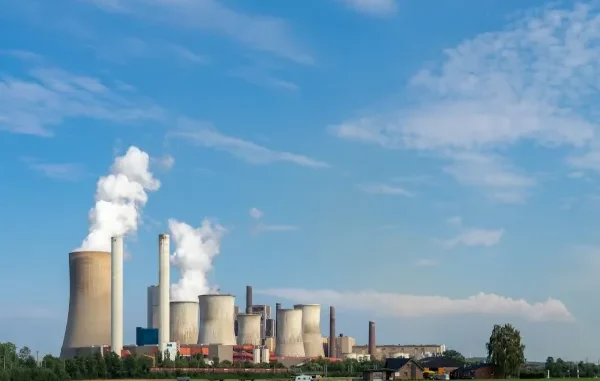
Industrial emissions are one of the leading contributors to global greenhouse gas outputs. As industries expand and energy demand rises, finding ways to reduce emissions without sacrificing productivity has become a central challenge for engineers, policymakers, and environmental advocates alike. The good news is that innovation in technology and processes is opening new pathways to cleaner, more efficient industrial operations.
Understanding the Challenge
Industries such as power generation, manufacturing, and chemical processing rely heavily on fossil fuels, producing substantial carbon dioxide and other pollutants in the process. Traditional mitigation strategies like fuel switching or efficiency improvements have had some impact, but alone they are insufficient to meet ambitious global climate targets. Complex systems like gas turbines, for instance, are integral to power plants, but they contribute significantly to carbon output. Addressing these emissions requires a combination of advanced technology, strategic planning, and regulatory support.
Breakthroughs in Carbon Capture and Storage

One of the most promising approaches to reducing industrial emissions is carbon capture and storage (CCS). CCS technologies allow plants to trap carbon dioxide before it enters the atmosphere and store it safely underground or use it in industrial applications. Companies are refining these methods to handle high-volume, high-pressure emissions efficiently, with a focus on minimizing energy penalties and operational costs.
Recent developments have also emphasized the integration of CCS with existing infrastructure. For example, research into reducing gas turbine carbon dioxide emissions shows that retrofitting turbines with advanced capture technologies can significantly cut carbon output while maintaining energy efficiency. These innovations make it feasible for industries to continue using critical systems without contributing disproportionately to climate change.
Electrification and Renewable Integration
Another major innovation in tackling industrial emissions is electrification powered by renewable energy. By replacing fossil-fuel-driven processes with electric alternatives, companies can dramatically reduce their carbon footprint. Industries are increasingly integrating solar, wind, and hydroelectric energy into their operations, not just for power generation but for direct industrial applications like electrolysis or heating processes.
The challenge lies in ensuring that renewable energy can meet the constant, high-demand requirements of industrial operations. Advances in energy storage, smart grids, and hybrid systems that combine renewable electricity with efficient backup generation are making this transition more practical. As technology continues to evolve, the reliance on fossil fuels can steadily decline without compromising industrial output.
Process Optimization and Digital Innovation

Innovation isn’t limited to new energy sources or carbon capture technologies—it also includes smarter ways to operate existing systems. Digital monitoring, predictive maintenance, and AI-driven process optimization can identify inefficiencies that lead to unnecessary emissions. For instance, sensors can track gas turbine performance in real time, alerting operators to suboptimal conditions that waste fuel and produce excess carbon.
By combining data analytics with automation, industries can reduce emissions at multiple points along the production chain. Small improvements in efficiency, when scaled across entire operations, can translate into significant environmental benefits.
Collaboration and Policy Support
Technological solutions alone aren’t enough. Governments and industry leaders must work together to create frameworks that incentivize emission reductions while supporting innovation. Policies that encourage investment in CCS, electrification, and process optimization can accelerate the adoption of these technologies. Public-private partnerships also play a crucial role, pooling resources and expertise to tackle emissions on a scale that individual companies can’t achieve alone.
Looking Ahead
The path to a low-carbon industrial future is challenging but increasingly achievable. With innovative solutions spanning carbon capture, renewable integration, and digital optimization, industries can meet growing energy demands while drastically cutting emissions. Success will depend on a combination of technology, collaboration, and forward-thinking policies. By embracing these strategies today, industries can secure a cleaner, more sustainable tomorrow for all.
Related posts:
 AI Photo Generators Elevate Your Editing Without Quality Loss
 Avatar vs. Human: Who’s Better at Explaining Your Product in 30 Seconds?
 Can Treasury Management Software Make Borrowing Safer and Smarter?
 Water Damage Restoration Service Lanham: Fast & Efficient
 Voyage Through Time: When will Time Travel be Possible
Leave a Reply