

For organizations operating in regulated industries, remote support software is not just a convenience, it is a controlled access point that sits directly in the path of sensitive data, protected health information, and confidential business records. Every session a technician opens to a managed device is a potential audit event. Every file transfer is a potential data movement that compliance frameworks require to be logged, monitored, and verifiable on demand.
This reality has pushed enterprise IT and compliance teams to evaluate remote support platforms not only on performance and usability, but on whether they can satisfy the audit and documentation requirements of HIPAA, SOC 2, GDPR, ISO 27001, FERPA, and other applicable frameworks. This listicle examines five remote support platforms that include built-in compliance tooling as a substantive part of their offering.
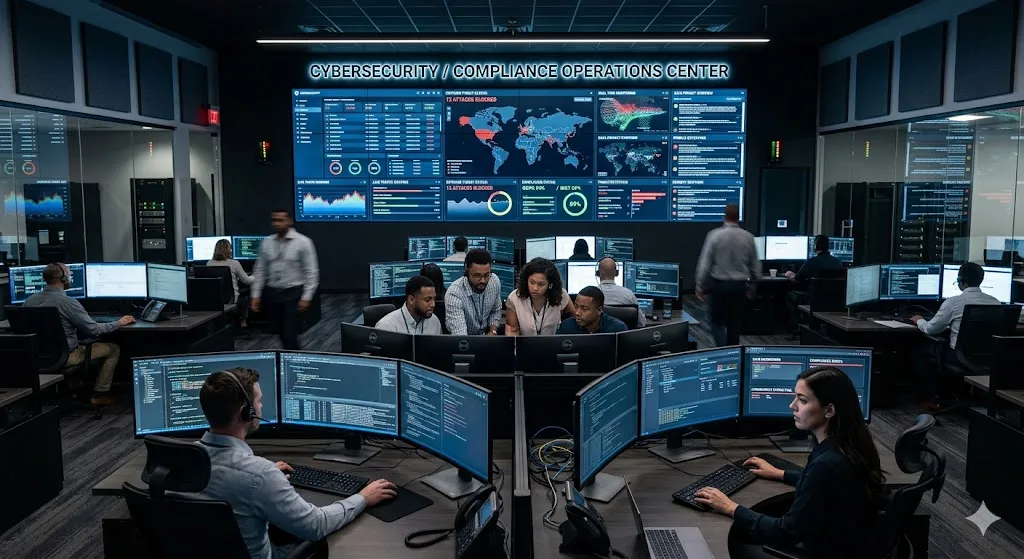
Splashtop
Splashtop is designed from the ground up to address the compliance requirements that healthcare, financial services, education, and government-adjacent organizations impose on their IT tooling. The platform holds current, independently audited certifications under SOC 2 Type II, ISO 27001, HIPAA, GDPR, and FERPA, covering the major compliance frameworks that regulated-industry IT teams encounter most frequently.
The remote support solution with compliance features that Splashtop provides translates those certifications into operational controls: every attended and unattended session is logged with technician identity, device identifier, timestamp, and duration. Session recording captures a complete video record of all on-screen activity during the session, providing the kind of tamper-resistant audit trail that healthcare and financial services compliance auditors require. SIEM log forwarding sends session event data to the organization’s existing security information and event management infrastructure, ensuring remote support activity is included in the central audit and alerting pipeline rather than siloed in a separate tool.
Role-based permissions enforce least-privilege access at the device and device-group level, preventing technicians from accessing systems outside their authorized scope. Active Directory, LDAP, and SAML-based SSO integration ensures that access provisioning and deprovisioning are tied to the organization’s authoritative identity source rather than managed separately. An on-premises deployment option with Splashtop’s self-hosted gateway is available for organizations with strict data residency requirements that prevent session routing through third-party cloud infrastructure.
ServiceNow IT Service Management with Remote Support Integration
ServiceNow ITSM is not a remote support platform in itself, but its compliance and audit capabilities make it a meaningful part of the compliance discussion for enterprise IT teams. When integrated with a compliant remote support tool, ServiceNow provides the governance layer that connects session activity to the formal change management, incident management, and audit record workflows that regulated organizations require.
In a ServiceNow-integrated remote support environment, every session can be tied to a ticket, and every ticket exists within a documented workflow that satisfies ITIL-aligned change control requirements. Session recordings and logs can be associated with their parent tickets, providing a complete end-to-end audit trail from the original support request through resolution. ServiceNow’s compliance dashboards and audit trail reporting extend across the entire IT operation, making remote support activity part of the broader governance picture rather than a separate tool with its own reporting silo.
The value of this integration is greatest in organizations already running ServiceNow as their ITSM backbone. For organizations without a ServiceNow deployment, the investment required is substantial, and alternative ITSM-integrated remote support tools may deliver similar compliance outcomes at lower total cost.
NinjaOne Remote with Compliance Logging
NinjaOne Remote is embedded within the NinjaOne RMM platform and provides session recording, audit logging, and role-based access controls as standard capabilities within the integrated endpoint management and remote support environment. For compliance teams evaluating the platform, the key advantage is that remote support activity is captured in the same audit trail as patch management, configuration changes, and policy enforcement actions, giving auditors a unified view of IT activity across the managed estate rather than separate logs from separate tools.
The platform’s automated patch management and policy enforcement capabilities also contribute to compliance posture in a way that standalone remote support tools do not. Maintaining devices in a consistently patched and compliant configuration reduces audit findings related to endpoint security hygiene, which is a common source of compliance gaps in organizations managing large distributed device fleets.
NinjaOne does not currently hold the same breadth of compliance certifications as Splashtop, particularly for HIPAA, which requires specific Business Associate Agreement provisions and documented security controls. Organizations in healthcare or other highly regulated industries should verify current certification status and BAA availability before committing to NinjaOne for environments where those certifications are required by contract or regulation.
Understanding what SOC 2 compliance actually requires in practice helps IT and compliance teams evaluate whether a vendor’s certification is meaningful or superficial. Microsoft’s compliance documentation on SOC 2 compliance requirements overview provides a detailed reference on how the framework applies to cloud services, which is directly useful context when evaluating the SOC 2 attestations of remote support software vendors.
ConnectWise ScreenConnect
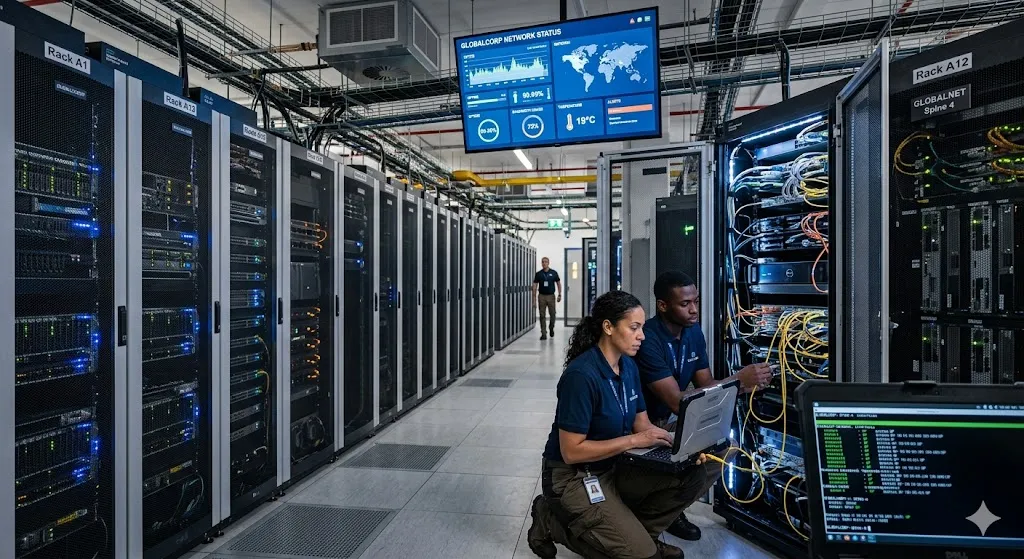
ConnectWise ScreenConnect provides session recording, audit logging, and granular permission controls that support compliance documentation in regulated environments. Session transcripts, including chat history and technical actions taken during a session, are retained and accessible for review alongside video recordings. The on-premises deployment option is particularly relevant for compliance-driven organizations, as it allows the organization to retain full control over session data storage and retention without routing through ConnectWise-managed infrastructure.
For MSPs serving regulated-industry clients, ScreenConnect’s white-label branding and multi-tenant session organization allow compliance documentation to be maintained separately per client, which simplifies the audit process for service providers who need to demonstrate compliance boundary separation across their client base.
ConnectWise maintains SOC 2 Type II certification for ScreenConnect, and the platform integrates with PSA and ticketing systems to create documented session-to-ticket associations. For healthcare-specific compliance requirements, organizations should verify current HIPAA BAA availability and the specific scope of SOC 2 coverage relative to their own compliance obligations before relying on ScreenConnect as a primary compliance control.
The regulatory context in which compliance tools operate is itself evolving rapidly. Britannica’s reference on data protection regulatory framework reference provides grounding in how data protection law has developed historically and what principles underpin the major frameworks, a useful context for IT and compliance teams navigating a landscape where GDPR, HIPAA, and emerging state-level regulations often overlap and create conflicting requirements.
Dameware Remote Everywhere
Dameware Remote Everywhere, part of the SolarWinds portfolio, includes session recording, audit logging, and ITSM integrations with ServiceNow and Zendesk as standard capabilities. For IT helpdesk teams operating in environments with ticketing-based compliance requirements, the ability to launch sessions directly from tickets and have session activity automatically logged against those tickets reduces the manual documentation overhead that creates audit gaps in less integrated environments.
The platform’s in-session diagnostic toolset, covering remote command line, event log review, service management, and system performance monitoring, is also relevant in compliance contexts where auditors require evidence of specific diagnostic steps taken during a support incident. Having those actions captured in a session recording provides the documentation layer that verbal or manual records cannot reliably deliver.
SolarWinds’ 2020 security incident remains a consideration in compliance-sensitive vendor evaluations. Organizations subject to vendor risk management requirements under frameworks like SOC 2 or ISO 27001 may need to document their risk assessment of SolarWinds as a third-party vendor before deploying Dameware in environments covered by those frameworks.
What Compliance Genuinely Requires From Remote Support Software
Compliance documentation for remote support activity requires four non-negotiable capabilities. The first is a session recording with tamper-resistant storage; recordings must be preserved in a way that prevents modification and supports retention according to applicable timeframes. The second is complete audit logging that captures technician identity, device identity, session timestamps, and actions taken, in a format exportable to SIEM or audit reporting tools.
The third is role-based access control that enforces least-privilege principles no technician should be able to reach devices outside their authorized scope, and that scope must be configurable at a granular level that reflects the organization’s actual access policy. The fourth is vendor certification that is current, independently audited, and applicable to the specific deployment model the organization uses. A vendor certified for cloud-hosted deployment does not automatically provide equivalent assurance for an on-premises deployment, and compliance teams should verify scope specificity before accepting a certification as sufficient.
Frequently Asked Questions
SOC 2 Type II and ISO 27001 cover general enterprise security and are requirements in most regulated industries. Healthcare organizations additionally need HIPAA certification and a signed Business Associate Agreement. Educational institutions handling student records need FERPA compliance. Organizations operating internationally or handling European personal data need GDPR alignment. All certifications should be independently audited and current, not self-reported or historical.
Session recordings provide a verifiable, tamper-resistant record of what actions were taken on a managed device during a remote support session. They allow compliance auditors to confirm that access was limited to authorized systems, that no unauthorized data was transferred or accessed, and that the session was conducted in accordance with documented security policies. Without session recording, organizations must rely on technician self-reporting, which most compliance frameworks do not accept as sufficient evidence.
A compliant vendor has achieved certification demonstrating that its own systems and processes meet a given framework’s requirements. Enabling customer compliance means the vendor provides the specific features, such as session recording, audit logging, BAAs, SIEM integration, and role-based access, that allow the customer organization to demonstrate its own compliance. Both matter, but the latter is operationally more important: a vendor with strong certifications that lacks the features needed to document customer-side compliance activity is of limited value in a regulated environment.
Related posts:
 Water Damage Restoration Service Lanham: Fast & Efficient
 What Does C3PAO Mean for the Future of Risk Management?
 Creating Stunning Face Swap Videos with AI: How to Use Face Swap Video Tools for Free
 How Dechecker AI Checker Turns Awkward Drafts Into Human-Readable Content
 The Complete Guide to Using Telegram for Secure and Smart Communication
Leave a Reply