
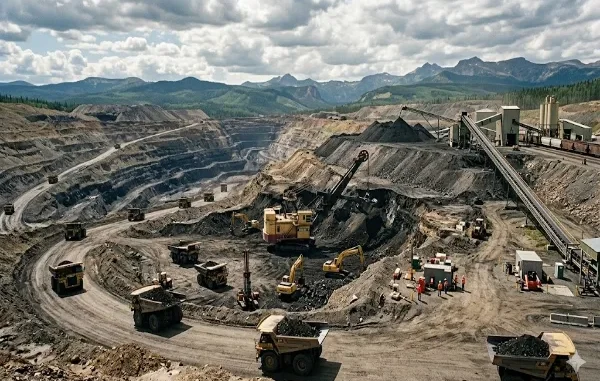
According to Investopedia, the American coal mining industry employed an estimated 42,600 persons as of December 2024. The National Institute of Occupational Safety and Health described the health risks faced by the coal miners who are exposed to elevated levels of occupational lung disease owing to long-term dust exposure.
Coal mining has been riddled with perilous occupational hazards over the years, some of which include exposure to harmful mineral dust and materials. The topic of mesothelioma in coal mines becomes more significant. Coal miners might increase their risk of exposure since they are constantly in contact with mining equipment, facilities, or environments that contain asbestos.
Until recently, asbestos had been regularly used in earlier coal mines and industrial plants in the United States for the purposes of insulation and fireproofing. Knowledge about the bond between coal mining and mesothelioma assists in recognizing the potential for valid claims.
Let’s find out how mesothelioma became closely connected with the industry of coal mining.
How Coal Miners Encounter Asbestos
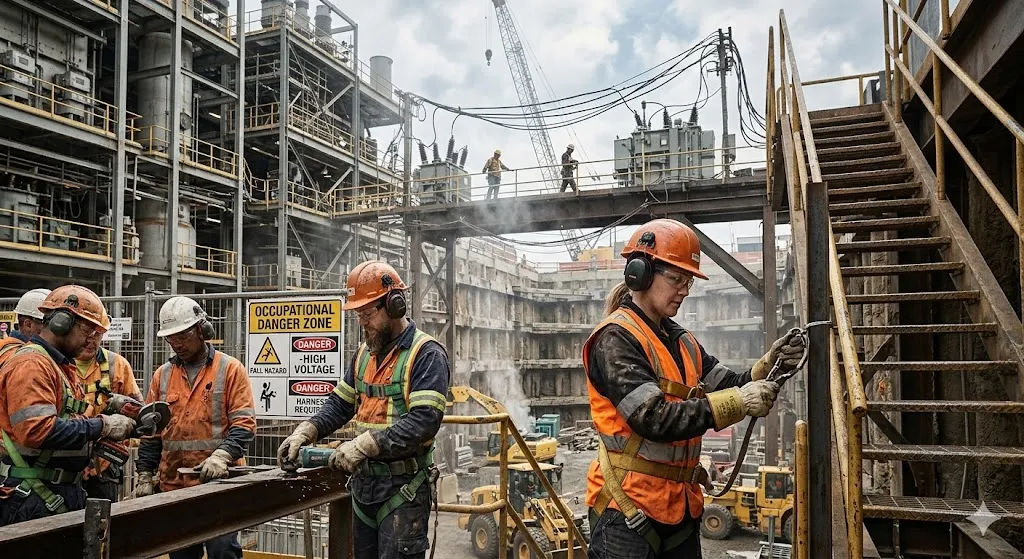
Coal does not inherently contain asbestos but the conditions created by coal extraction processes introduce a definite asbestos exposure potential. As workers blast, drill, and chop asbestos-bearing rocks, they contaminate themselves through inhalation of asbestos fibers.
The Mine Safety and Health Administration (MSHA) recommends coal mine workers be aware of the likelihood of asbestos exposure in coal mines and other mining facilities. A worker may come into contact with any asbestos-containing materials, such as buildings and mines. Natural asbestos can be released into the air when the surrounding geological formation is mined.
The route through which people come into contact with equipment shows equal importance to research but researchers have tended to overlook this aspect throughout history. Before federal asbestos regulations took full effect in the 1980s, asbestos was incorporated into thousands of industrial products for its heat resistance, durability, and fire-retardant properties.
Asbestos existed in most mining equipment. Miners developed high levels of asbestos exposure after working with the contaminated equipment for extended periods in the mines.
The Mesothelioma Latency Period and Why Diagnoses Appear Decades Later
According to Jefferson Parish mesothelioma lawyer Ron A. Austin, mesothelioma may take a couple of years to fully develop following initial exposure to asbestos. This incurable cancer is visible in the lining of the lungs and chest cavity but it may also appear in the tissue surrounding other organs.
A CDC report showed that the latency period before a person developing mesothelioma was after their first exposure to asbestos, which can be anywhere from 20 to 40 years. In some reported cases, the appearance of mesothelioma extends as far as 71 years. Such a timeline reveals that a coal miner who inhaled asbestos products from the facility in the early 1960s and early 1970s will begin having mesothelioma symptoms when the person is in fact already retired.
The long latency period creates several complications. The original source of exposure may be difficult to document decades after the fact. The employers and equipment manufacturers from that time period have likely stopped existing.
Symptoms of mesothelioma present no serious manifestations at first, with the common ones including constant coughing, chest pain, and brief periods of breathlessness. Symptoms of unintended weight loss and pleural buildup create diagnostic problems since they may correspond to possible clinical features of other lung ailments like pneumonia, pneumoconiosis, or silicosis.
Regulatory Framework and the 2024 Chrysotile Rule
The Mine Safety and Health Administration (MSHA) established asbestos exposure limits, which it enforces through mine regulations that include 30 C.F.R. § 71.702, which applies to surface coal mines and to surface work areas of underground coal mines and to other mining locations through its related standards.
The EPA issued a final rule in March 2024 that prohibits the remaining uses of chrysotile asbestos through a gradual implementation process that operates under the Toxic Substances Control Act.
The rule establishes the legal framework that has developed over the last fifty years and it establishes stricter rules that define when people can have legal asbestos exposure.
Compensation Options for Coal Miners With Mesothelioma
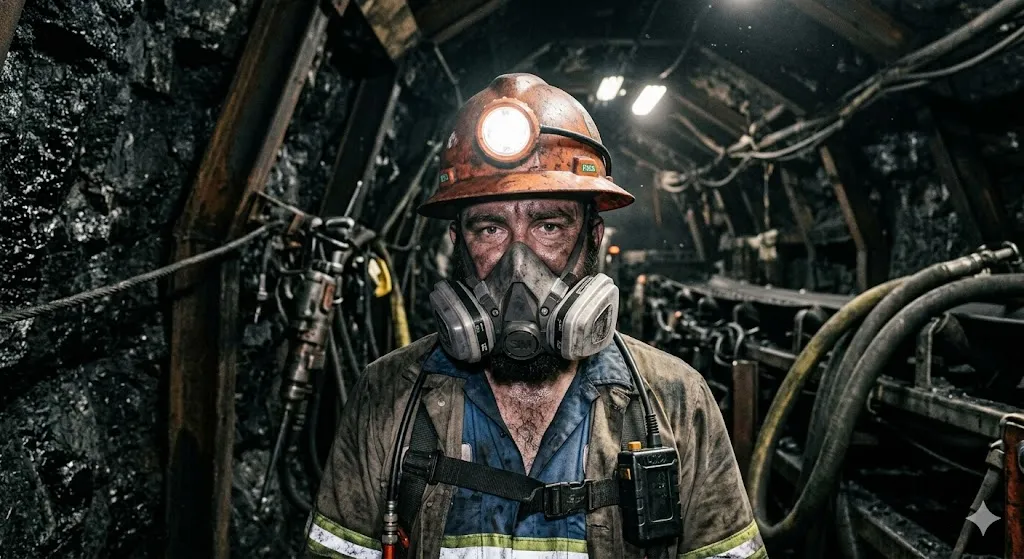
Coal miners who develop mesothelioma from work-related exposures can choose different compensation options. These options depend on an individual’s specific exposure history and the individuals who were present during their work activities.
Workers’ compensation exists as the main method for workers to submit their occupational disease claims. Different states provide different benefit amounts. Keep in mind that this compensation does not cover the complete medical costs associated with mesothelioma.
Asbestos trust funds exist as a result of former asbestos manufacturers and distributors who have established them during their bankruptcy proceedings. These companies created these trust funds after facing legal actions in response to their products’ use during mining operations. The trusts maintain reserved funds for eligible claimants, while trust claims permit claimants to proceed with their claims without court battles and simultaneously pursue other legal proceedings.
Civil litigation against former employers, equipment manufacturers, or other parties whose products contributed to asbestos exposure is a separate path that has produced substantial verdicts and settlements in mesothelioma cases. Pre-trial settlements resolve the majority of cases instead of court proceedings.
The Black Lung Benefits Act (30 U.S.C. § 901 et seq.) structures the federal compensation system to accommodate miners suffering from occupational respiratory diseases. The Act’s main focal point is to provide benefits to workers suffering from coal workers’ pneumoconiosis, but asbestos-related conditions do not fall under the scope of such benefits.
The long latency period of mesothelioma claims, together with their multiple potential defendants and existing claim systems, requires people to consult an asbestos litigation attorney who will help them identify all available compensation options. An attorney is of the utmost assistance to a client in helping them to abide by necessary filing deadlines.
Key Takeaways
Coal mining may increase the risk of mesothelioma in workers whose activities include the daily mining of rocks that contain asbestos. The use of asbestos material for mining equipment and buildings also leads to an increase in mesothelioma risks.
The 20-to-40-year typical latency period means diagnoses continue to emerge among workers who experienced exposure in the time before current regulations. Coal miners or former miners who have ongoing breathing problems must report their complete work history to doctors. A detailed narrative with regard to one’s exposure to asbestos helps physicians identify a person’s medical condition.
People who have received a mesothelioma diagnosis can pursue various compensation options and should seek assistance from qualified legal counsel to help them assess all the available options.
Related posts:
 Simple Tips And Tricks To Help You Improve Your Health And Wellness
 Fun Facts About Milk
 Regaining Control on the Road to Recovery: What You Need to Know
 🦷 Emax vs Zirconia: Which Dental Veneer Is Better for Your Smile?
 Medical Malpractice in Florida: What Every Healthcare Provider Should Understand
Leave a Reply