
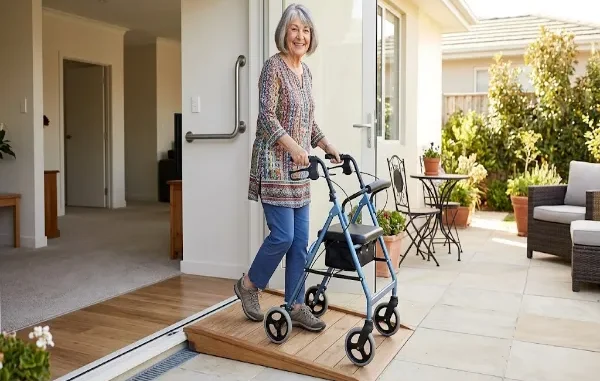
Mobility can change due to various reasons, such as aging, illness, injury, or a chronic condition. If it is becoming increasingly hard to perform daily tasks, you might worry about losing all independence.
However, depending on your circumstances, you could retain more physical freedom with careful planning, the right support, and various home adaptations. Keep reading to learn how to stay independent as your mobility changes.
Arrange a Professional Assessment
If you are starting to avoid climbing up the stairs at home, are frequently holding onto furniture as you walk, or feel tired after a brief walk, it might be the right time to arrange a professional assessment.
Start by discussing your current mobility needs with your doctor and ask for a referral to an occupational or physical therapist. Alternatively, contact your local Area Agency on Aging or a Certified Aging-in-Place Specialist.
A professional assessment identifies your mobility needs before recommending the appropriate equipment to support your safety and independence at home. This can help you avoid costly mistakes when making one or more home adaptations.
Make Changes to Your Home
A handful of home adaptations could restore your independence at home. If you use a wheelchair or struggle to climb the stairs, arranging an in-home elevator installation could transform your quality of life. It allows you to easily access various rooms in the home, and different options are available to suit your needs and preferences.
Consider making other modifications to support your changing mobility, such as installing grab bars and a level-access or walk-in shower in the bathroom, bed rails and an adjustable bed in the bedroom, and a power lift recliner in the living room.
Improve safety throughout the house by removing trip hazards, such as unsecured rugs, improving lighting, and placing everyday essentials at a reachable height.
Stay as Active as Possible
Depending on your circumstances, it may help to stay active each day, as it can improve joint flexibility and coordination, prevent muscle wasting, and boost your mental and cardiovascular health.
You could enjoy more physical activity by:
- Attending a local strength and balance class
- Joining a walking group
- Going swimming
- Practicing tai chi
- Walking outdoors
However, always consult a doctor or another healthcare professional before starting a new exercise routine if you have a mobility issue. As they will understand your limitations, they can recommend the best workouts and movements to suit your specific condition and needs.
Use Mobility Aids
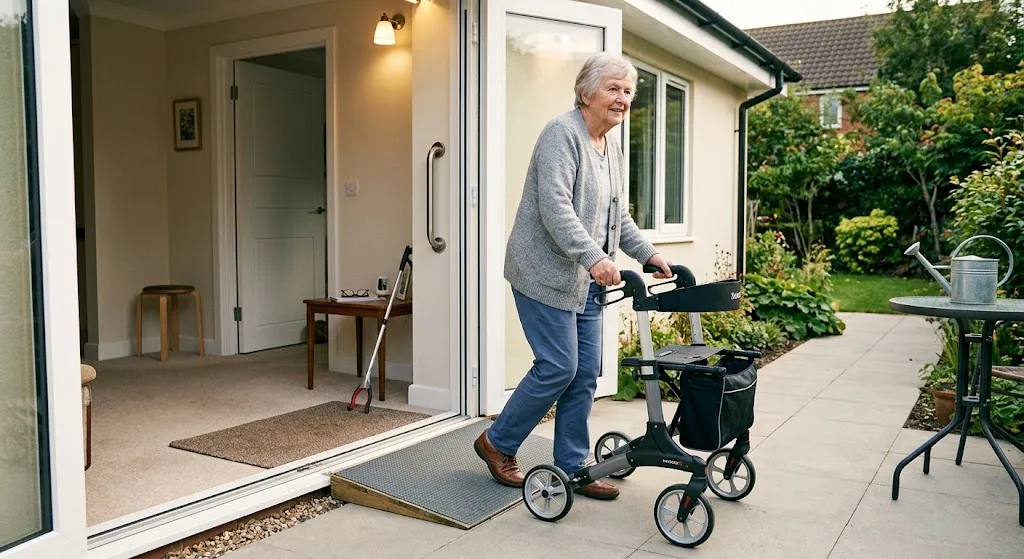
Mobility aids can make everyday challenges feel much easier, which is why you shouldn’t rule them out. If you are finding walking increasingly difficult, a cane, walker, or rollator could support more physical freedom. Wheelchairs and mobility scooters are also ideal for those who struggle to walk long distances.
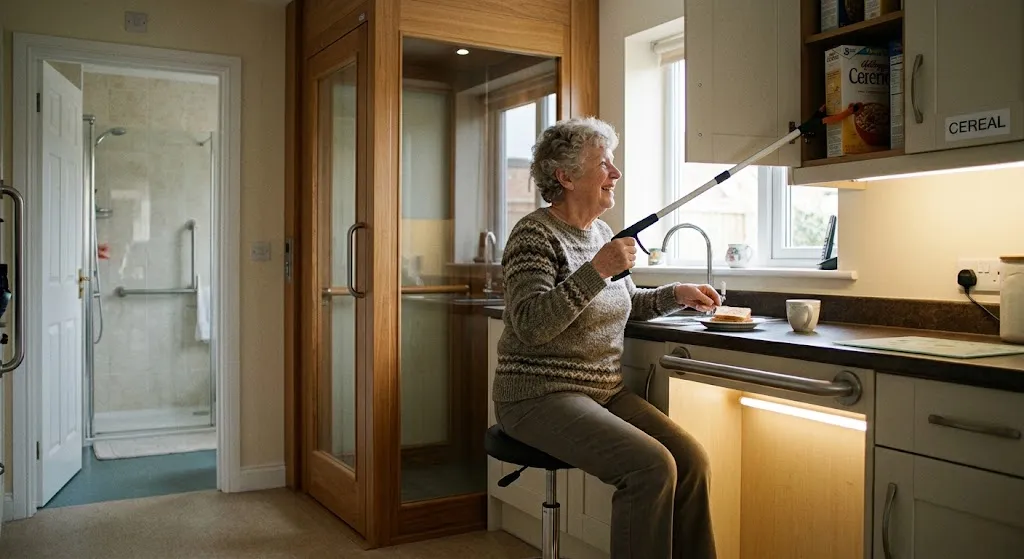
Perching stools are a must-have for cooking, ironing, and other chores in the home, as they allow you to partially sit down while you complete a task. You could even use a grabber to reduce the need to stretch or climb, improving your safety when prepping dishes or grabbing a snack in the kitchen.





Leave a Reply