
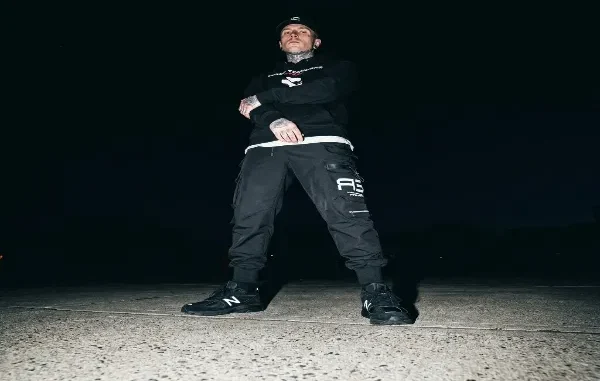
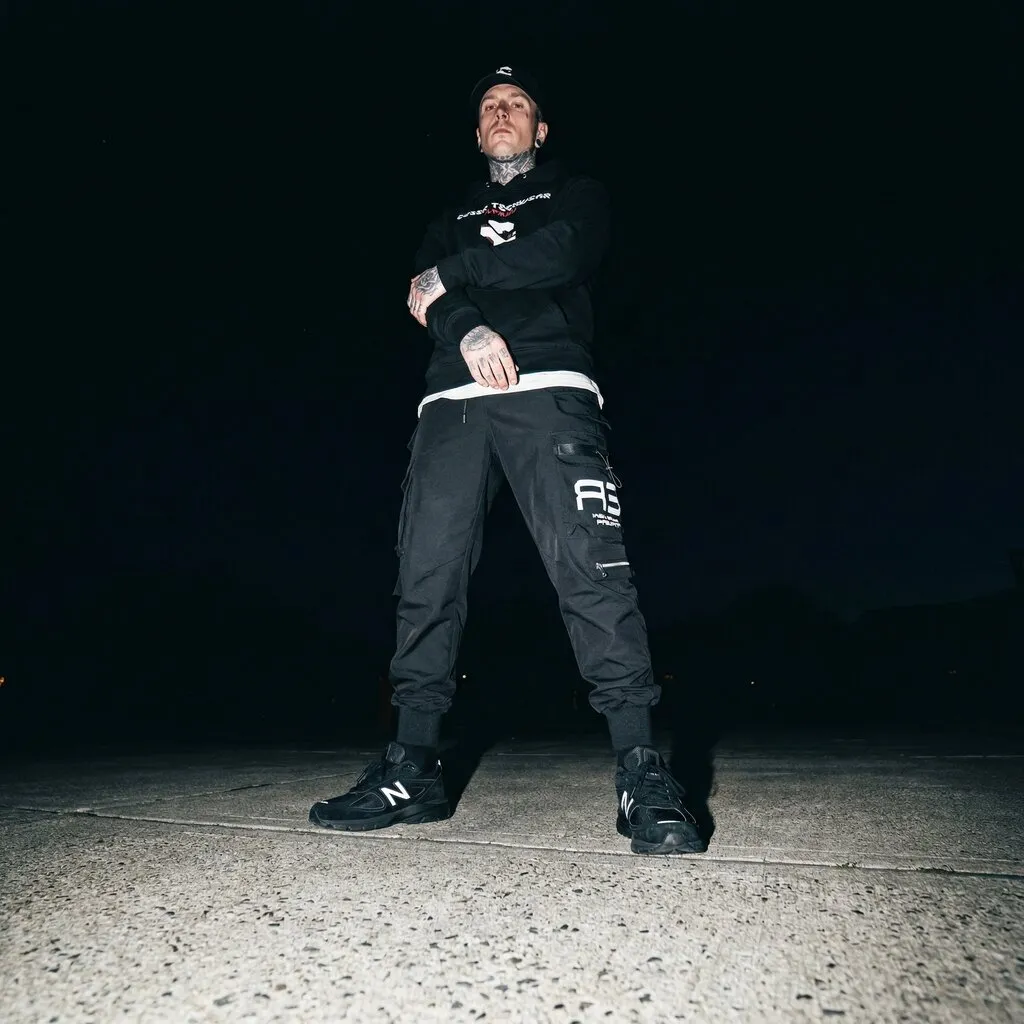
Techwear once felt like a niche style for people obsessed with futuristic jackets, hidden pockets, waterproof fabrics, and all-black city outfits. It looked too technical for mainstream fashion and too functional for traditional streetwear. But in 2026, it is clear that techwear was ahead of its time.
Modern urban fashion now looks more and more like the world techwear imagined years ago. People want comfort, utility, movement, weather protection, storage, and clothes that work in real life. The city has become faster, more unpredictable, and more digital, and fashion has had to adapt. Techwear understood this before most trends did.
Today, cargo pants, sling bags, oversized silhouettes, breathable layers, tactical details, and futuristic accessories are everywhere. Even people who do not call their style “techwear” are wearing pieces influenced by it. Brands like Cyber Techwear urban essentials reflect this shift because modern clothing is no longer just about appearance. It is about how well an outfit performs in daily life.
Techwear Understood the City First
The main reason techwear predicted modern urban fashion is simple: it was designed for the city. Not the romantic version of the city, but the real one. Crowded trains, sudden rain, long commutes, concrete heat, busy streets, phone batteries dying, keys disappearing, and people carrying too much in their pockets.
Techwear treated clothing as equipment for that environment. Jackets needed to protect against weather. Pants needed storage. Bags needed easy access. Fabrics needed to handle movement. Shoes needed to support long walks. Every detail had a reason.
Now, urban fashion has caught up to that logic. People do not want outfits that only look good standing still. They want clothes that can survive a full day outside. This is why functional fashion feels so normal now. Techwear did not follow the city. It studied it.
Function Became Fashion
For a long time, fashion treated practicality as secondary. A piece could be beautiful, expensive, or trendy even if it was uncomfortable. Techwear challenged that idea. It made function part of the aesthetic.
Zippers, straps, pockets, buckles, adjustable hems, waterproof shells, breathable fabrics, and modular bags were not hidden. They became visible design elements. Instead of pretending utility was boring, techwear made it look powerful.
Modern urban fashion has adopted the same mindset. Cargo pants are not only practical; they are stylish. Crossbody bags are not only useful; they define the silhouette. Technical jackets are not only protective; they complete the outfit.
This is one of techwear’s biggest predictions: people would eventually want clothes that do something. Fashion would not be judged only by how it looks, but also by how it helps the wearer move through the world.
The Rise of the Everyday Uniform
Techwear also predicted the return of the personal uniform. Many urban wardrobes today are built around repeatable formulas: black pants, oversized tee, technical jacket, sneakers, sling bag, sunglasses. The outfit changes slightly, but the structure stays the same.
This is not laziness. It is efficiency. People are busy. They want to get dressed quickly and still look intentional. Techwear offered a wardrobe system before capsule wardrobes became a major lifestyle topic. Its pieces were designed to work together, usually through neutral colors, clean silhouettes, and functional layering.
In modern streetwear, this is everywhere. People build reliable outfit formulas around cargos, tees, jackets, and accessories. The best urban outfits do not always scream for attention. They look consistent, controlled, and ready.
Pockets Became a Lifestyle Detail
One of the most obvious ways techwear influenced modern fashion is through pockets. Extra pockets used to be associated with military clothing, hiking gear, or workwear. Techwear turned them into an urban style feature.
This made sense because city life requires carrying objects. Phone, wallet, keys, earbuds, charger, sunglasses, passport, transport card, and sometimes a small camera or power bank. People need storage, but they do not always want a large backpack.
Now, cargo pants and utility bags are mainstream because they solve a real problem. The popularity of pocket-heavy fashion proves that people appreciate usefulness when it is designed well. Techwear saw this coming early.
A good pocket system changes how an outfit feels. It gives freedom, reduces clutter, and adds visual structure. That is why the detail has lasted beyond trend cycles.
Weather-Ready Clothing Became Normal
Techwear also predicted how much people would care about weather-ready clothing. As more people walk, commute, travel, bike, and move through cities all day, clothing needs to adapt to changing conditions.
A light jacket that handles wind or rain is no longer only outdoor gear. It is urban gear. Breathable layers are not only for athletes. They are for anyone who spends hours outside. Quick-drying fabrics, water-resistant materials, and packable layers have become part of everyday dressing.
This practical mindset is now central to modern urban fashion. People want to be prepared without looking like they are dressed for a hiking trip. Techwear created the visual bridge between outdoor performance and city style.
Minimal Color, Maximum Impact
Techwear also predicted the power of a controlled color palette. Black, gray, olive, charcoal, and muted tones are central to the style. At first, this made techwear look severe or niche. But now, neutral urban wardrobes are everywhere.
A limited palette makes clothing easier to mix, repeat, and layer. It also creates a stronger silhouette. Black cargos, a gray tee, and a technical jacket can look sharper than a complicated outfit with too many colors.
Modern urban fashion has embraced this idea. Minimal color does not mean boring. It means the shape, texture, and details do more work. Techwear understood that a monochrome outfit could feel futuristic, practical, and expressive at the same time.
The Influence of Digital Culture
Techwear predicted not only city fashion, but also digital fashion culture. Its futuristic look translated perfectly to online platforms. The dark layers, sharp silhouettes, masks, sunglasses, and technical details looked cinematic in photos and videos.
As fashion became more visual through Instagram, TikTok, gaming, and AI-generated aesthetics, techwear felt even more relevant. It looked like something from a video game, cyberpunk movie, or futuristic city, but it was still wearable.
This connection between digital identity and real clothing is now a major part of fashion. People dress for real life, but they also dress for the camera. Techwear gives them outfits with presence, shape, and mood.
Comfort Became Non-Negotiable
Modern urban fashion is also more comfortable than before, and techwear helped push that shift. Relaxed pants, oversized tops, adjustable fits, breathable layers, and functional sneakers all prioritize movement.
People no longer want to choose between looking good and feeling good. Techwear made comfort look intentional. It showed that loose shapes and practical materials could feel stylish rather than sloppy.
This is why oversized streetwear, cargo silhouettes, and technical sneakers continue to dominate. They match how people actually live. Techwear predicted that the future of fashion would be mobile, not stiff.
To conclude
Techwear predicted modern urban fashion because it understood the direction life was moving. Cities became faster. People became more mobile. Technology became part of daily identity. Clothing needed to become more useful, more adaptable, and more expressive.
What once looked niche now feels normal. Pockets, technical fabrics, sling bags, oversized silhouettes, muted colors, and functional layers are no longer reserved for hardcore techwear fans. They are part of everyday street style.
In a world where fashion has to handle movement, weather, technology, travel, and personal identity, techwear feels less like the future and more like the present.
Related posts:
 8 Essential Supplies Every Cat Owner Should Have
 Why More Homeowners Are Investing in Garden Rooms in 2026
 Broiler Weight Chart by Age: Weekly Growth Norms from Hatch to Slaughter
 How to prepare for your first dental visit in years
 Why Siding Plays a Key Role in Reducing Exterior Maintenance Throughout the Year
Leave a Reply