
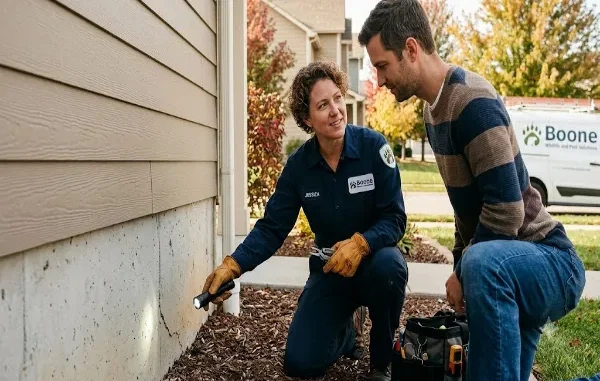
Keeping a home in good condition requires regular attention to more than just cleaning and maintenance. One of the biggest challenges homeowners face is preventing unwanted pests from finding their way indoors. Insects and rodents often enter homes searching for food, water, and shelter, and once they settle in, they can become difficult to eliminate. Taking preventive steps before a problem grows is one of the most effective ways to maintain a safe and comfortable living environment.
Many homeowners turn to experienced companies like Boone Wildlife and Pest Solutions when dealing with recurring infestations or looking for long-term prevention. Understanding how Pest Control works and why it is an important part of home maintenance can help you reduce risks while protecting your property throughout the year.
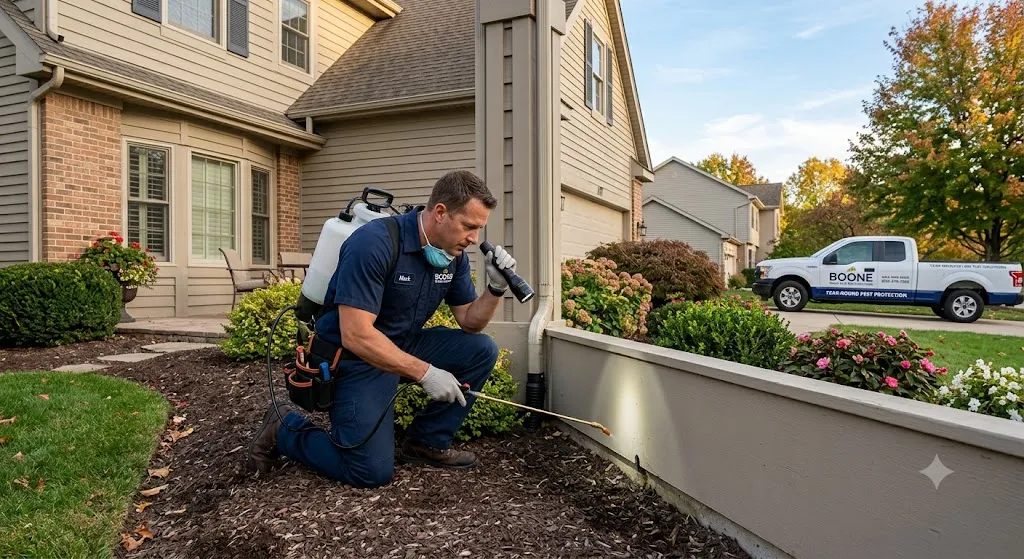
Why Pest Problems Develop
Pests are constantly searching for places that provide the resources they need to survive. Homes naturally offer warmth, moisture, and easy access to food, making them attractive environments for many species.
Seasonal weather changes also influence pest activity. During colder months, rodents and insects often move indoors to escape low temperatures. In warmer seasons, increased breeding activity causes many pests to become more noticeable around homes and outdoor living areas.
Small openings around doors, windows, foundations, and utility lines often provide easy entry points. Once inside, pests may remain hidden until populations begin to grow.
Common Household Pests
Every home is different, but several pests are commonly found in residential properties.
Ants
Ants frequently enter homes in search of food and water. Even a few crumbs or small spills may attract large numbers of ants over time.
Although some species are mostly a nuisance, larger infestations become increasingly difficult to manage without professional assistance.
Rodents
Mice and rats often enter homes through surprisingly small openings.
Once indoors, they may nest inside walls, attics, garages, or crawl spaces while searching for food and nesting materials.
Rodents can also damage insulation, wiring, and stored belongings as they move throughout the home.
Cockroaches
Cockroaches thrive in areas where food, moisture, and shelter are readily available.
They often remain hidden during the day, making infestations difficult to detect until populations become well established.
Keeping kitchens, bathrooms, and storage areas clean helps reduce favorable conditions.
Spiders
Most spiders help reduce insect populations outdoors, but some homeowners prefer to limit their presence inside the home.
Reducing clutter and controlling insects often makes indoor spaces less attractive to spiders.
Why Prevention Is More Effective Than Reaction
Waiting until pests become visible usually means the infestation has already developed.
Preventive Pest Control focuses on reducing conditions that attract pests before they establish themselves inside the home.
Early inspections help identify potential entry points, moisture problems, and other conditions that support pest activity.
Addressing these concerns promptly often reduces the amount of treatment needed later while helping homeowners avoid larger infestations.
Areas Around the Home That Deserve Attention
Some locations naturally attract more pest activity than others.
Kitchen
Food preparation areas provide easy access to crumbs, spills, and moisture.
Cleaning countertops, storing food in sealed containers, and taking out trash regularly help discourage pests.
Bathrooms
Leaking faucets, damp cabinets, and excess humidity create favorable conditions for many insects.
Repairing plumbing leaks and improving ventilation help reduce moisture.
Basement and Crawl Spaces
These areas often remain dark, cool, and damp, making them attractive hiding places for pests.
Routine inspections allow homeowners to identify developing issues before infestations become more extensive.
Garage
Garages frequently contain stored boxes, pet food, gardening supplies, and clutter that provide shelter for unwanted pests.
Organizing storage areas and reducing unnecessary clutter limits available hiding places.
Simple Habits That Help Reduce Pest Activity
Preventing infestations often begins with consistent home maintenance.
Several practical habits can make a noticeable difference.
Seal Entry Points
Inspect windows, doors, foundation cracks, and utility openings for gaps that may allow pests to enter.
Sealing small openings helps reduce indoor access.
Eliminate Standing Water
Many insects are attracted to moisture.
Repair leaking pipes, improve drainage, and remove standing water around the property whenever possible.
Store Food Properly
Keeping food in sealed containers reduces easy food sources for insects and rodents.
Pet food should also be stored securely when not in use.
Maintain Outdoor Landscaping
Overgrown vegetation, stacked firewood, and dense shrubs located close to the home’s exterior may provide shelter for pests before they move indoors.
Keeping landscaping well maintained creates additional distance between pests and the home.
Benefits of Routine Inspections
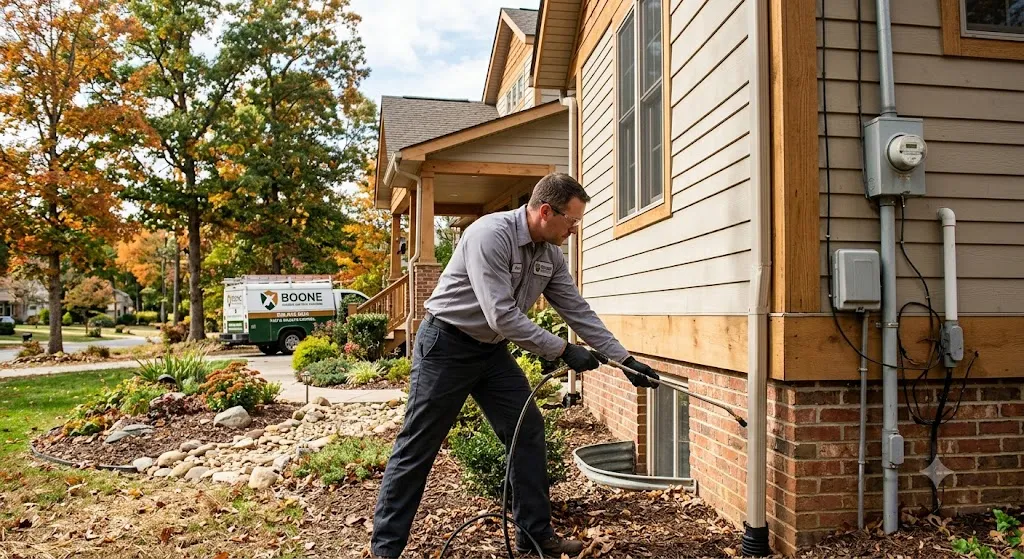
Regular inspections help identify developing pest problems before they become larger concerns.
Professional inspections may reveal:
- Small entry points around the home’s exterior
- Moisture conditions that encourage pest activity
- Early signs of rodent nesting
- Insect activity in hidden areas
- Structural conditions requiring maintenance
Finding these issues early often allows homeowners to make simple corrections before more extensive treatment becomes necessary.
Why Professional Pest Control Makes a Difference
Although homeowners can often address minor pest activity themselves, larger infestations usually require a more comprehensive approach.
Professional technicians evaluate the entire property rather than treating only visible pests.
They identify how pests are entering the home, locate nesting areas, and recommend practical solutions designed to reduce future activity.
Many homeowners rely on Boone Wildlife and Pest Solutions because experienced professionals understand how different pests behave and can develop treatment plans suited to each property’s specific conditions.
Professional recommendations also help homeowners improve long-term prevention through better maintenance and early detection.
Building a Year-Round Prevention Plan
Effective pest management is not a one-time project.
Conditions around the home change throughout the year, making regular inspections and maintenance an important part of prevention.
Seasonal planning may include:
- Inspecting the home’s exterior each season
- Repairing damaged weather stripping
- Cleaning gutters and improving drainage
- Trimming vegetation away from the house
- Monitoring storage areas for early signs of activity
These simple routines help reduce the likelihood of pests establishing themselves indoors.
Common Mistakes Homeowners Should Avoid
Several common mistakes can unintentionally encourage pest activity.
Ignoring small infestations often allows populations to grow before action is taken.
Delaying repairs to plumbing leaks or foundation cracks also creates favorable conditions for insects and rodents.
Some homeowners focus only on treating visible pests without identifying the source of the problem.
Long-term success usually depends on addressing both the infestation and the conditions that allowed it to develop.
Final Thoughts
Preventive Pest Control is one of the most effective ways to protect your home from unwanted insects and rodents throughout the year. Regular maintenance, careful inspections, proper sanitation, and prompt repairs all help reduce conditions that attract pests before infestations become difficult to manage.
Working with experienced professionals such as Boone Wildlife and Pest Solutions provides homeowners with valuable guidance for identifying risks, preventing future infestations, and maintaining a cleaner, safer, and more comfortable home in every season.
Related posts:
 8 Essential Supplies Every Cat Owner Should Have
 Why More Homeowners Are Investing in Garden Rooms in 2026
 Broiler Weight Chart by Age: Weekly Growth Norms from Hatch to Slaughter
 How to prepare for your first dental visit in years
 Why Siding Plays a Key Role in Reducing Exterior Maintenance Throughout the Year
Leave a Reply