
Vision problems can affect reading, driving, screen work and everyday confidence long before they feel serious. A clear diagnosis helps explain whether the cause is a simple focusing error or a condition needing closer attention.
Eye hospitals follow a careful process that combines patient history, physical examination, specialised tests and detailed imaging. Each step gives the doctor a clearer view of how the eyes are working throughout the diagnostic process.
The article explains how an eye hospital assesses symptoms, performs tests and plans next steps.
Understanding the Patient’s Vision History
Vision history is often the starting point of diagnosis. Doctors ask when the change began, whether it affects one or both eyes, and which activities feel difficult. Previous illnesses, medicines, injuries and family eye conditions may shape the tests that follow.
Conducting a Comprehensive Eye Examination
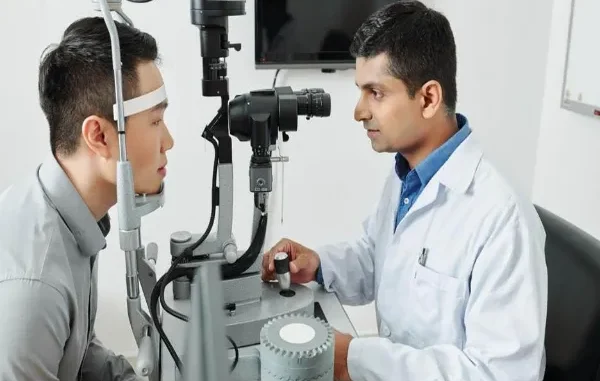
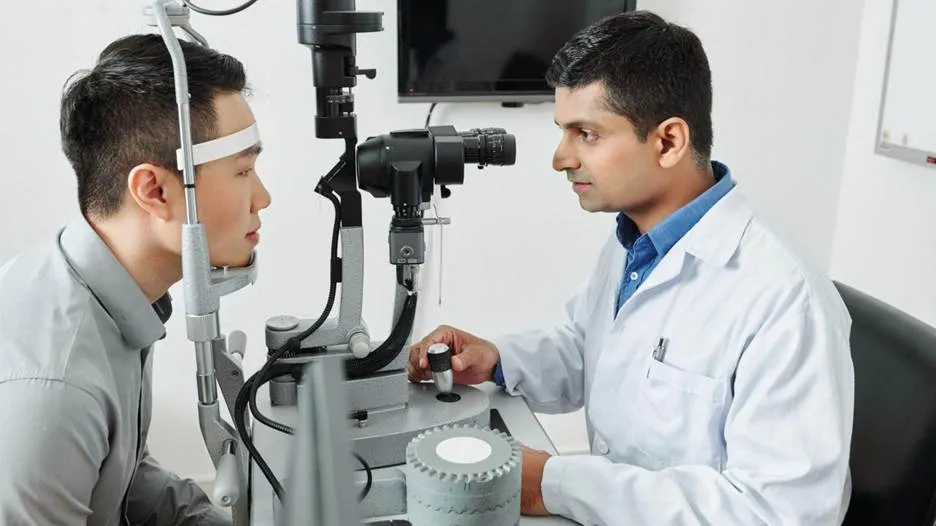
The doctor checks visual clarity, eye movement, pupil response and focusing ability. Spectacle power, eye pressure and the internal structures of the eye may also be examined. When these checks require follow-up, having an eye hospital near me can make continued care easier without affecting the quality of assessment.
Performing Specialised Vision Tests
Different symptoms call for different checks. The best eye hospital selects tests according to the concern rather than following one routine for everyone. Colour vision, side vision, depth perception or tear quality may be assessed to understand functions not covered by a sight test.
Identifying Different Types of Vision Problems
An eye care hospital considers the pattern of symptoms and findings. Refractive errors, cataracts, glaucoma, retinal concerns, dry eye and diabetes-related changes may affect sight in different ways. Linking the examination results with the patient’s experience helps doctors distinguish between conditions with similar symptoms.
Using Advanced Diagnostic Technology
Detailed imaging allows doctors to study the retina, optic nerve, cornea and lens closely. Scans may reveal changes that are difficult to identify during a routine examination. Technology adds detail, while the specialist’s experience remains important for interpreting what the images mean.
Creating an Accurate Diagnosis and Next Steps
After reviewing the results, the doctor explains the likely cause in simple language. The next step may include spectacles, medicines, observation, lifestyle guidance, additional tests or treatment. Clear advice helps patients understand what needs prompt attention and what can be monitored through regular follow-up.
Conclusion
Diagnosing a vision problem involves more than reading letters from a chart. Doctors listen to the patient, examine how the eyes function and use suitable tests to study specific concerns. This complete approach helps uncover common problems as well as changes that may otherwise remain unnoticed.
A clear diagnosis supports timely care, reduces confusion and gives patients greater confidence about protecting their sight, comfort and everyday independence over the years.
FAQs
The doctor checks vision, eye movement, pupil response, prescription and eye health, then recommends further tests based on the findings.
Some vision problems cannot be understood through a routine sight test alone. Specialised checks help examine areas such as the retina, cornea, optic nerve, colour vision and side vision.
Yes, blurred vision, glare, headaches or eye discomfort may have several causes. Detailed testing helps the doctor identify the actual problem and suggest suitable next steps.





Leave a Reply