

Talk therapy is a cornerstone of addiction treatment. Individual and group sessions help people understand their patterns, build coping skills, and address the emotional roots of substance use. But addiction affects more than thoughts and feelings. It also affects sleep, stress responses, nutrition, and physical health.
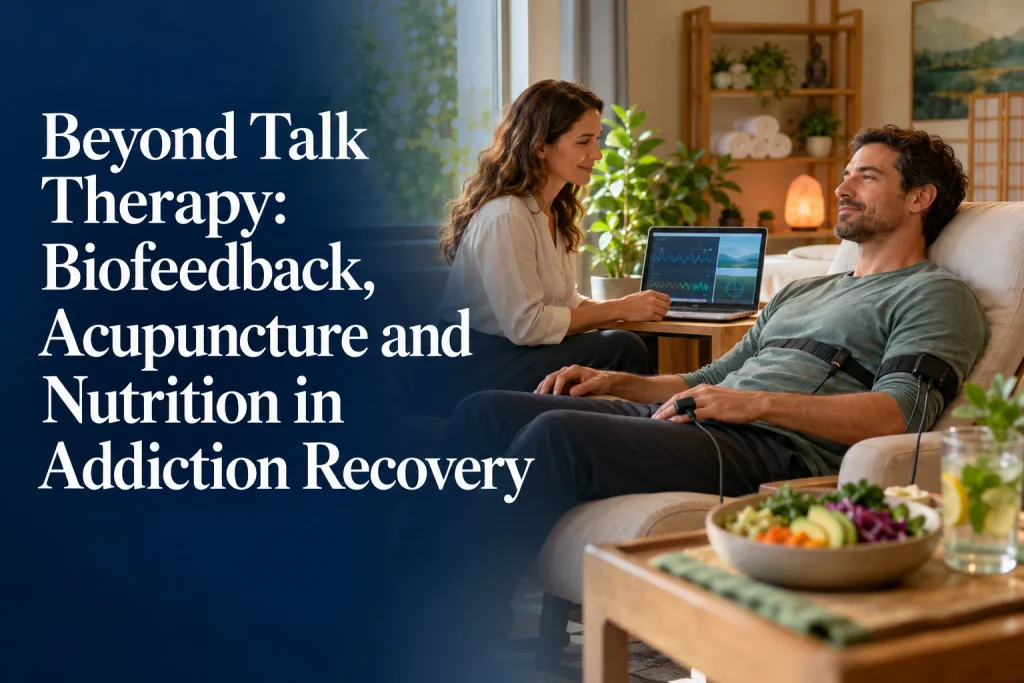
That is why many programs now include complementary therapies alongside traditional counseling. At Galt Ocean Rehab Center in Lauderdale-By-The-Sea, Florida, services such as biofeedback, acupuncture, nutrition support, chiropractic care, and massage therapy are offered alongside individual therapy and medical care. Here is how these approaches can support recovery.
Why a Whole-Person Approach Matters
Substance use can take a significant toll on the body. Many people enter treatment with poor sleep, nutritional deficiencies, chronic stress, pain, or physical tension. These challenges can make early recovery harder and increase the risk of relapse.
Complementary therapies are not a replacement for evidence-based treatment. Instead, they can help address physical and stress-related factors that talk therapy alone may not fully reach.
Biofeedback
What It Is
Biofeedback uses sensors to measure bodily functions such as heart rate, muscle tension, breathing, or skin temperature. The information is displayed in real time, allowing people to see how their bodies respond to stress.
How It Can Help
With practice, people learn techniques to influence these responses, such as slowing their breathing or relaxing tense muscles. In recovery, this can support:
- Stress and anxiety management
- Better awareness of early signs of tension or cravings
- Improved sleep
- A greater sense of control over the body
Acupuncture
What It Is
Acupuncture involves placing very thin needles at specific points on the body. Some addiction programs use a standardized ear acupuncture protocol, often referred to as NADA, as part of care.
How It Can Help
Research on acupuncture in addiction treatment is mixed, but many people report that it helps them feel calmer and more relaxed. It may also be used as part of a broader plan for managing pain or stress.
Nutrition Services
Why Nutrition Matters
Alcohol and drug use can interfere with appetite, digestion, and nutrient absorption. Many people in early recovery have irregular eating patterns or deficiencies in important vitamins and minerals.
How It Can Help
Working with a registered dietitian or licensed nutritionist can help people:
- Restore regular eating habits
- Address nutrient deficiencies
- Stabilize energy and mood
- Support physical healing
- Build healthy routines that support long-term recovery
Chiropractic Care and Massage Therapy
Physical discomfort, tension, and pain can be triggers during recovery. Chiropractic care may help with certain musculoskeletal issues, while massage therapy can reduce muscle tension and promote relaxation. These services can be especially valuable for people managing chronic pain without relying on addictive medications.
At Galt Ocean Rehab Center, these services are combined with structured treatment through its partial hospitalization program, intensive outpatient, and outpatient care, coordinated with case management and medical and psychiatric support.
Physical Fitness and Movement
Regular physical activity can improve mood, reduce stress, and support better sleep. Exercise also provides a healthy way to spend time and build structure during recovery.
12-Step and Peer Support
Peer support groups, including 12-step meetings, offer community and accountability. Many people find that connection with others in recovery is one of the most powerful supports available.
How Complementary Therapies Fit With Evidence-Based Care
The most effective recovery programs combine:
- Individual and group therapy
- Medical and psychiatric care
- Medication-assisted treatment when appropriate
- Dual diagnosis treatment for co-occurring mental health conditions
- Complementary therapies that support the body and nervous system
Each element supports the others. Feeling physically better can make it easier to engage in therapy, and therapy can help people sustain healthy habits.
What the Research Says
Evidence for complementary therapies varies. Biofeedback and exercise have reasonable support for stress and mood. Nutrition is widely recognized as important for physical recovery. Research on acupuncture for addiction is mixed, though many people find it calming. Massage and chiropractic care are often used for comfort and pain relief. The key is viewing these therapies as supports alongside proven treatments, not replacements for them.
Choosing a Program
When evaluating treatment options, ask:
- Which complementary therapies are offered?
- Who provides them, and what are their qualifications?
- How are these services coordinated with clinical treatment?
- Are they available throughout treatment or only at certain stages?
Healing the Whole Person
Recovery is not just about stopping substance use. It is about rebuilding health, finding balance, and creating a life that supports long-term wellbeing. Complementary therapies can be valuable tools in that process.
If you or someone you love is in crisis, call or text 988, or call 911 in an emergency. If you suspect an overdose, give naloxone if available and call 911 immediately.
Related posts:
 Regaining Control on the Road to Recovery: What You Need to Know
 🦷 Emax vs Zirconia: Which Dental Veneer Is Better for Your Smile?
 Medical Malpractice in Florida: What Every Healthcare Provider Should Understand
 Why Migraine and Motion Sickness Often Travel Together
 How PRP Therapy Is Being Used for TMJ and Jaw Pain in Florida Clinics
Leave a Reply