
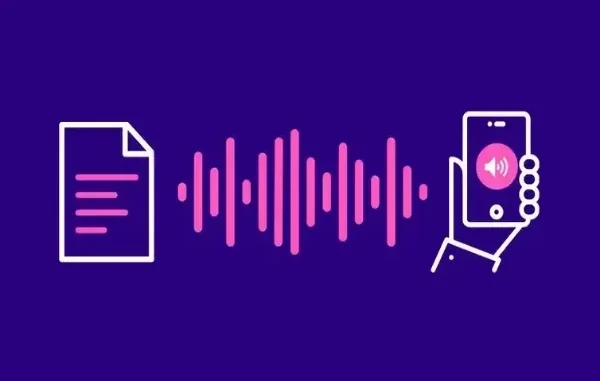
In today’s fast-paced digital world, reading long articles or documents isn’t always practical. Whether you’re commuting, multitasking, or simply prefer listening, AI text-to-speech (TTS) technology is revolutionizing the way we consume written content. By converting text into natural-sounding speech, AI TTS makes information more accessible, engaging, and enjoyable.
For those looking to explore this technology, a Free AI Text-to-Speech Generator is an excellent place to start. It allows users to experience how AI can instantly convert any text into realistic audio, bridging the gap between reading and listening effortlessly.
What is AI Text-to-Speech?
AI text-to-speech is a technology that uses artificial intelligence to transform written text into spoken words. Unlike traditional TTS systems, AI-driven platforms produce highly natural and expressive speech that mimics human intonation, pace, and emotion. This makes them ideal for audiobooks, podcasts, e-learning, accessibility tools, and content narration.
The key difference is AI’s ability to understand context. For instance, AI can differentiate between homonyms or adjust tone based on punctuation and sentence structure, resulting in a smoother, more human-like listening experience.
How AI Text-to-Speech is Changing Content Consumption
- Enhanced Accessibility
AI TTS opens doors for people with visual impairments or reading difficulties. Instead of struggling through dense text, users can listen to content comfortably. Educational institutions are leveraging TTS to make learning inclusive, helping students with dyslexia or other reading challenges. - Time Efficiency
In a world where multitasking is essential, AI TTS enables users to absorb information while driving, exercising, or performing household tasks. Turning lengthy articles or reports into audio frees up time without compromising on content consumption. - Multilingual Capabilities
Modern AI TTS platforms often integrate with tools like AI Audio Translator, allowing seamless translation of audio content. This is invaluable for businesses reaching a global audience, breaking language barriers, and improving communication. - Content Repurposing
Creators can repurpose written blogs, newsletters, or eBooks into podcasts or voiceovers using AI TTS, saving both time and cost. This increases content reach and engagement across different platforms.
Real-World Examples of AI Text-to-Speech in Action
- Education: Universities and online courses use AI TTS to convert lecture notes into audio, helping students study on the go.
- Media & Entertainment: News platforms and content creators leverage TTS for audio articles, ensuring their audience can consume content hands-free.
- Business Communications: AI TTS is increasingly used in customer support, generating dynamic voice responses for FAQs or automated systems.
One impressive example is audiobook production. Traditional audiobooks can be expensive and time-consuming to record. AI TTS provides a cost-effective solution, producing lifelike narration in minutes. This not only saves resources but also allows independent authors to bring their stories to life without professional voice actors.
Actionable Tips for Using AI Text-to-Speech Effectively
- Choose the Right Voice
Modern AI TTS platforms offer multiple voice options, genders, and accents. Select a voice that aligns with your audience and content type to enhance the listening experience. - Adjust Speed & Tone
Some listeners prefer slower speech for comprehension, while others want faster playback. Many TTS tools allow speed adjustments, ensuring audio matches user preferences. - Integrate with Translation Tools
If your content targets a multilingual audience, combining AI TTS with translation tools like AI Audio Translator can produce voiceovers in multiple languages, expanding your reach effortlessly. - Use Proper Formatting
Break text into short paragraphs, use punctuation strategically, and include headings. AI TTS performs better with structured content, producing smoother and more natural-sounding speech. - Test & Iterate
Always review generated audio for clarity, pronunciation, and tone. Making minor adjustments to text or voice settings can dramatically improve output quality.
Advantages Over Traditional TTS
AI TTS stands out because it’s more than just a robotic voice reading text. Key advantages include:
- Human-Like Speech: Natural intonation and expression reduce listener fatigue.
- Adaptive Context Understanding: AI recognizes nuances, making speech sound coherent and engaging.
- Customization: Users can tweak voice characteristics, accent, and speed.
- Scalability: Ideal for businesses producing large volumes of audio content quickly.
These advantages are particularly useful for content creators, educators, and enterprises that need consistent, high-quality audio without hiring voice actors.
Common Use Cases for AI Text-to-Speech
- E-Learning Platforms: Converting lessons and course material into audio enhances student engagement and retention.
- Marketing & Advertising: AI TTS can generate voiceovers for promotional videos, social media ads, and product demos.
- Accessibility: Providing audio versions of websites, apps, and digital publications ensures inclusivity for all users.
- Audiobooks & Podcasts: Authors and creators can produce audio content efficiently, making literature and information more accessible.
Future of AI Text-to-Speech
The potential of AI TTS is immense. With continuous improvements in natural language processing and deep learning, AI voices are becoming increasingly indistinguishable from human voices. Future developments may include:
- Emotional AI: Voices that convey emotions like excitement, sadness, or urgency.
- Interactive TTS: Systems capable of conversational interactions, similar to virtual assistants.
- Adaptive Learning: AI that modifies speech delivery based on listener feedback or preferences.
These innovations will further revolutionize how we consume content, making audio a dominant medium in education, entertainment, and business communication.
Conclusion
AI text-to-speech technology is no longer just a futuristic concept—it’s a practical tool transforming content consumption. From enhancing accessibility to boosting productivity, AI TTS makes written content more versatile, engaging, and globally accessible.
By leveraging tools like Free AI Text-to-Speech Generator and combining them with solutions such as AI Audio Translator, creators, businesses, and educators can unlock new ways to reach audiences, save time, and repurpose content efficiently.
Whether you’re a student, professional, or content creator, exploring AI TTS can elevate your content experience, making listening to information as seamless and enjoyable as reading it.
Related posts:
 AI Photo Generators Elevate Your Editing Without Quality Loss
 Avatar vs. Human: Who’s Better at Explaining Your Product in 30 Seconds?
 Can Treasury Management Software Make Borrowing Safer and Smarter?
 Water Damage Restoration Service Lanham: Fast & Efficient
 Voyage Through Time: When will Time Travel be Possible
Leave a Reply