
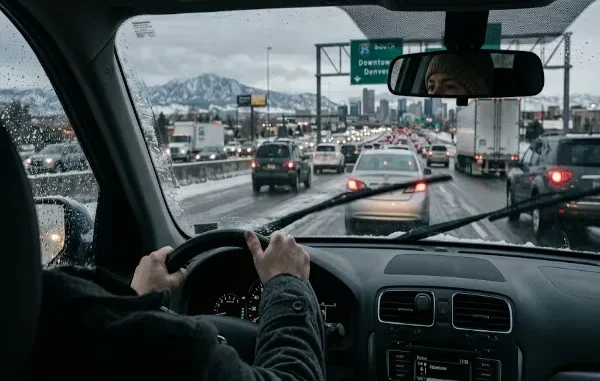
Commuting is one of those routines that turns invisible. You drive the same stretch enough times and your attention drifts toward the podcast, the meeting you are late for, the thing you forgot at home. That drift is ordinary and human, and it is also where a lot of trouble starts.
This is a general guide to habits that can lower risk on a daily drive. It is not legal advice, and it is not a substitute for defensive driving instruction.
Following distance is a safety margin you control
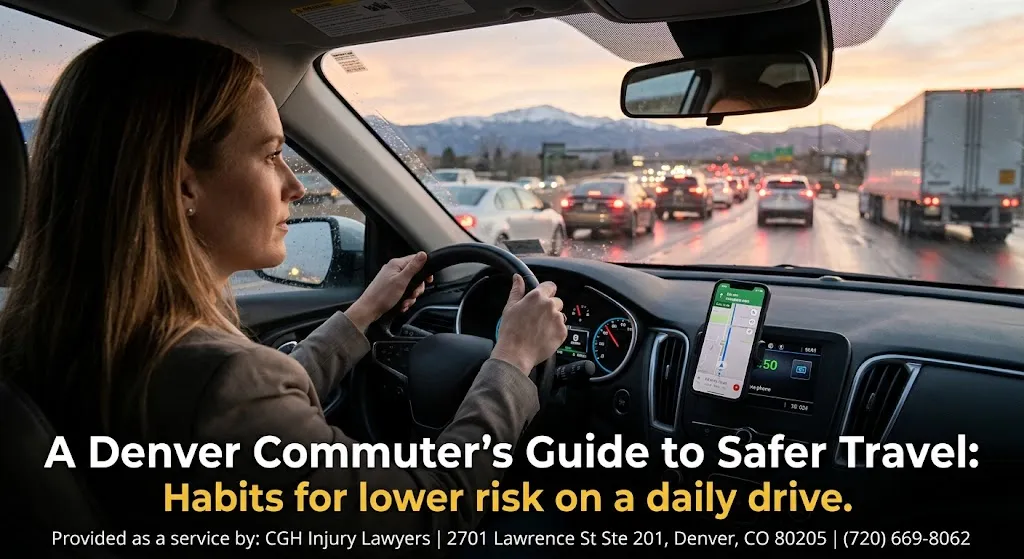
Rear-end collisions are among the more common crash types on congested routes, and following distance is the variable a driver controls directly. A useful habit is picking a fixed object ahead, watching the vehicle in front of you pass it, and counting the seconds until you reach it yourself.
In poor conditions, that gap should stretch considerably. Wet pavement, ice, and low visibility all extend stopping distance in ways that are easy to underestimate until you need to stop suddenly.
Weather changes the rules more than people account for
Conditions can shift quickly in this part of the country. A commute that starts on dry pavement can finish in slush, and bridges and overpasses tend to freeze before the surrounding road does.
Practical adjustments can include slowing before curves rather than during them, braking gently and early, and avoiding cruise control when traction is uncertain. If visibility drops sharply, pulling off somewhere safe and waiting is generally wiser than pressing on.
Merging is a negotiation, not a race
Merge points create conflict because drivers arrive with different assumptions about who should yield. Signaling early, matching the speed of traffic before entering, and leaving room for vehicles trying to come in all reduce friction.
Large trucks call for extra space. They need more distance to stop, and their blind areas are substantial. If you cannot see a truck driver’s mirrors, assume the driver cannot see you.
Phones are the obvious problem and not the only one
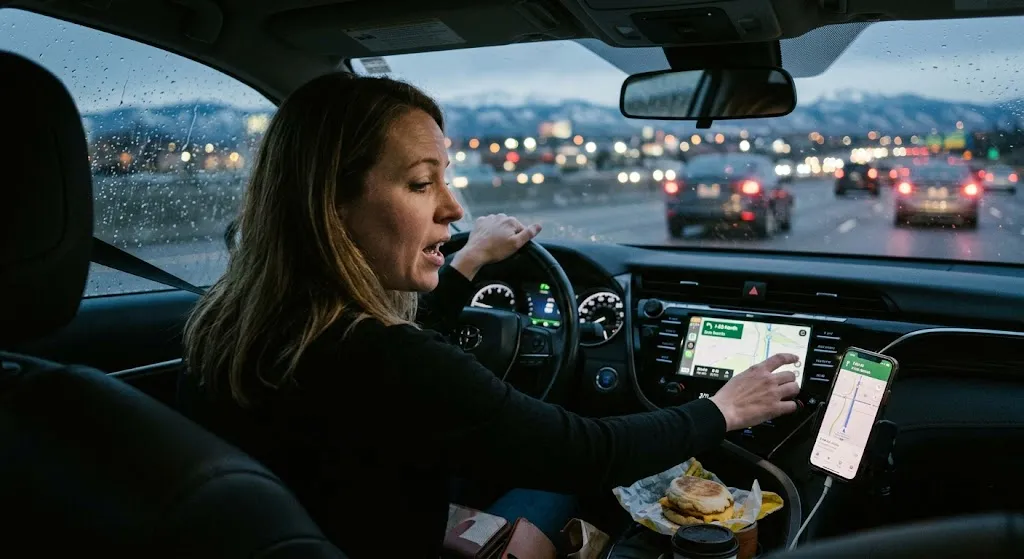
Phone use draws the attention, and reasonably so. Reading a message takes eyes off the road long enough to cover a meaningful distance blind.
Other distractions matter too. Eating, adjusting navigation, managing a conversation that has become heated, and reaching for something that slid off the seat all pull attention away. Setting up navigation and music before pulling out removes several of these at once.
Fatigue behaves like impairment
Drowsy driving tends to be underestimated because people believe they can push through it. Slower reaction time, drifting within a lane, and missing an exit are all signs that a driver has less capacity than they think.
Early morning and late evening commutes carry more of this risk. Coffee can help temporarily, though the reliable fix is sleep, and a short stop is generally safer than a determined finish.
Share the road with people who are not in cars
Cyclists and pedestrians are more common on urban routes than many drivers expect, and they carry none of the protection a vehicle provides. Checking mirrors and blind spots before turning, looking twice at crossings, and passing cyclists with generous clearance are habits worth building.
Turning right on red calls for particular care, since it is a movement where drivers commonly look left for traffic and miss someone crossing from the right.
If a crash happens anyway
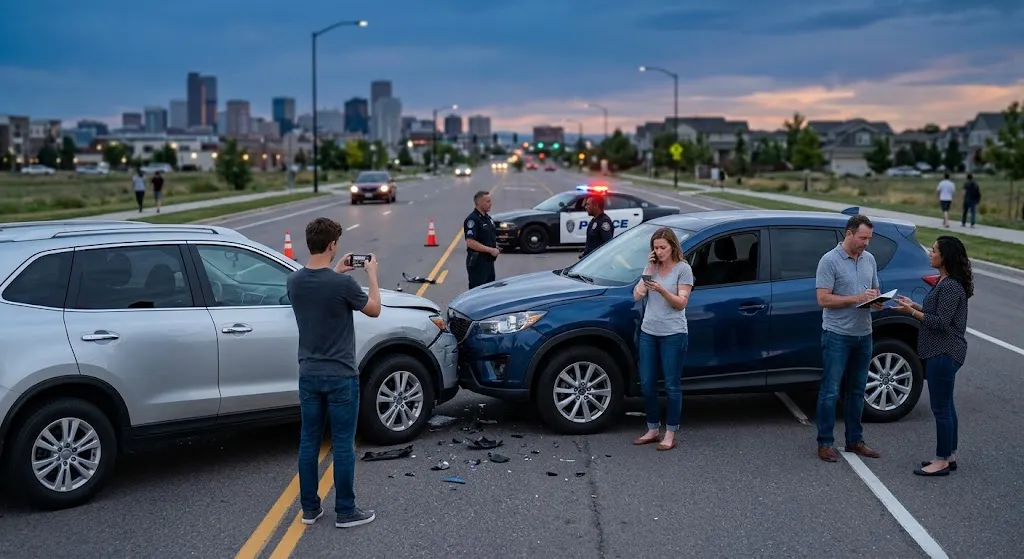
Careful driving reduces risk without eliminating it, because you cannot control the vehicle beside you. If a collision occurs, a general sequence tends to serve people well.
- Check for injuries and move to safety if the vehicles can be moved.
- Contact emergency services.
- Exchange insurance and contact information.
- Photograph vehicle positions, damage, and the surrounding conditions.
- Ask for contact details from anyone who saw what happened.
- Seek medical evaluation even if you feel unharmed.
Avoid discussing fault at the scene. Apologies offered out of ordinary politeness can be repeated later as admissions, and the full picture of what happened is rarely clear in the first few minutes.
When to ask about the legal side
If injuries are involved or the other party disputes what happened, it can help to talk with a Denver personal injury lawyer before giving a recorded statement or accepting an early offer. Filing deadlines vary by claim type and can be short, and an attorney can confirm which applies.
An early conversation is generally about understanding your position. Fee arrangements are typically discussed at that first meeting.
CGH Injury Lawyers
2701 Lawrence St Ste 201, Denver, CO 80205
(720) 669-8062
Related posts:
 What Is a Road Trading Strategy? A Trend Method for FX Beginners
 Refinancing Your Home Loan After RBI Rate Cuts: A Smart Way to Save
 Building a Scalable Business Through Accelerator Mentorship and Capital
 How Charter Bus Rentals In Brooklyn Improve The Group Travel Experience
 Industrial Asbestos Removal: What Facility Owners Need to Know Before Work Begins
Leave a Reply