
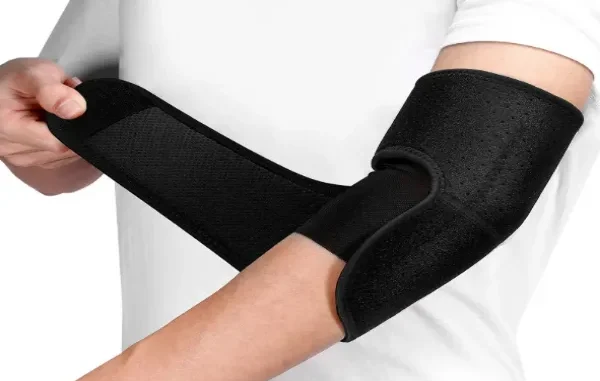
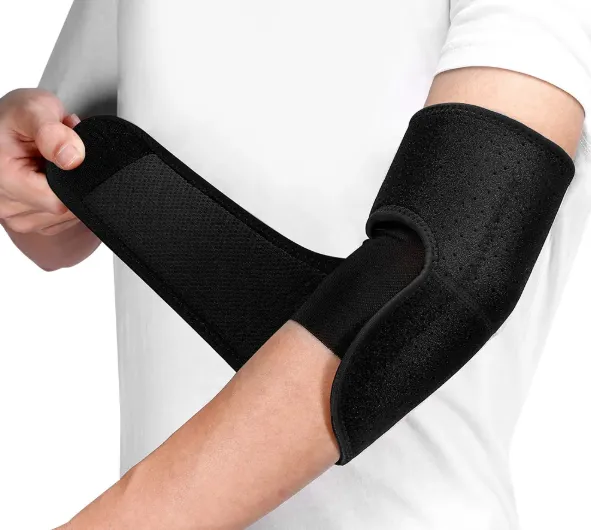
Elbow discomfort can make simple everyday activities feel surprisingly difficult. Whether you spend hours at a desk, work with your hands, exercise regularly, or simply put pressure on your elbows throughout the day, finding comfortable support can make a difference. An elbow sleeve for bursitis is one option people often consider when they want gentle compression and additional support around the elbow.
However, not every elbow sleeve is designed the same way. Material, fit, compression, coverage, and overall comfort can all affect your experience. Before choosing one, it helps to understand what features are actually worth looking for.
What Is Elbow Bursitis?
Bursitis occurs when a bursa becomes irritated or inflamed. Bursae are small, fluid-filled sacs that help reduce friction between tissues around joints. At the elbow, the olecranon bursa sits over the pointed part of the elbow.
Activities that involve repeated pressure or friction around the elbow may contribute to irritation. People may notice tenderness, swelling, sensitivity, or discomfort when leaning the elbow against a hard surface.
An elbow sleeve does not treat the underlying cause of bursitis, but the right support may help make everyday movement more comfortable.
Why Consider an Elbow Sleeve for Bursitis?
An elbow sleeve is designed to fit around the joint and provide varying levels of compression and support. Depending on its design, it may help keep the elbow comfortably supported during normal activities.
A sleeve can also provide a soft layer between your elbow and surrounding surfaces. This can be particularly useful for people who frequently work at a desk, exercise, or perform activities that involve repetitive arm movements.
Keep in mind that significant swelling, severe pain, redness, warmth, fever, or symptoms that continue to worsen should be evaluated by a healthcare professional.
1. Look for a Comfortable Fit
Fit is one of the most important things to consider when buying an elbow sleeve.
A sleeve should feel secure without being painfully tight. If it constantly slips down, bunches up, or feels restrictive, you may be less likely to wear it consistently.
Look at the manufacturer’s sizing chart and measure your arm according to its instructions. Avoid choosing a size simply because it is labeled “small,” “medium,” or “large,” since sizing can vary considerably between brands.
2. Consider the Level of Compression
Different sleeves provide different levels of compression. Some are designed primarily for light support, while others provide firmer compression.
For everyday use, comfort should be a priority. Excessively tight compression may cause discomfort, numbness, tingling, or changes in circulation.
A good sleeve should provide supportive pressure without making your arm feel restricted. If you experience unusual numbness, tingling, discoloration, or increasing pain while wearing it, remove the sleeve and reassess the fit.
3. Choose Breathable Materials
If you plan to wear an elbow sleeve for several hours, material matters.
Breathable and moisture-managing fabrics can help reduce the buildup of sweat. Common materials used in elbow sleeves include nylon, polyester, spandex, and blends of these fabrics.
For warm environments or workouts, a lightweight and breathable design may be more comfortable than a thick sleeve.
4. Check the Coverage Around the Elbow
Pay attention to how the sleeve sits over the elbow itself.
Some sleeves provide general compression around the joint, while others have additional padding or targeted protection over the elbow. If your main concern is sensitivity when the elbow contacts a surface, additional cushioning may be worth considering.
The sleeve should remain comfortably positioned during movement rather than repeatedly sliding away from the area you want to support.
5. Make Sure It Allows Natural Movement
An elbow sleeve should support your daily activities rather than interfere with them.
Before choosing one, consider what you will be doing while wearing it. If you need to type, lift light objects, exercise, or perform repetitive movements, look for a flexible design that allows the elbow to bend and straighten naturally.
A sleeve that feels comfortable while standing still may not necessarily be comfortable during movement.
6. Look for Durable Construction
If you plan to use your sleeve regularly, durability is another factor worth considering.
Check the stitching, fabric quality, seams, and overall construction. A well-made sleeve should maintain its shape after repeated use and washing when cared for according to the manufacturer’s instructions.
It can also be useful to read customer reviews for comments about stretching, slipping, durability, and comfort over time.
7. Consider When You Will Wear It
Your intended use can help determine which type of sleeve makes sense for you.
For example, someone who wants support while working at a computer may prioritize lightweight comfort and breathability. Someone who exercises may place greater importance on flexibility and moisture management. If the elbow is sensitive to contact with surfaces, padding may be a more important feature.
Think about your daily routine before making a purchase.
Elbow Sleeve vs. Elbow Pad
Although the terms are sometimes used interchangeably, sleeves and elbow pads serve different purposes.
An elbow sleeve generally wraps around the arm and provides compression or support. An elbow pad usually focuses more on cushioning the elbow from direct contact or impact.
Some products combine both features. If pressure from leaning on your elbow is a major concern, a design with targeted padding may be worth considering.
Tips for Using an Elbow Sleeve
Once you have selected an elbow sleeve, proper use is just as important as choosing the right product.
- Follow the manufacturer’s sizing and wearing instructions.
- Make sure the sleeve is positioned correctly over the elbow.
- Avoid wearing a sleeve that feels excessively tight.
- Remove it if you experience numbness, tingling, unusual swelling, or skin discoloration.
- Keep the sleeve clean according to the care instructions.
- Give your skin regular breaks, particularly if you wear it for extended periods.
- Avoid relying on a sleeve to push through activities that significantly increase your pain.
When Should You Seek Medical Advice?
An elbow sleeve may provide comfort and support, but it should not replace professional medical evaluation when symptoms are significant.
Consider speaking with a healthcare professional if you have substantial swelling, severe or persistent pain, redness or warmth around the elbow, fever, drainage, an injury, or symptoms that are getting worse rather than better.
A healthcare professional can help determine the cause of your symptoms and recommend appropriate treatment.
Final Thoughts
Choosing the right elbow sleeve for bursitis is largely about finding a balance between support, comfort, fit, and freedom of movement. A sleeve that fits properly and uses comfortable, breathable materials can be easier to wear during everyday activities.
Before purchasing, consider your specific needs, measure carefully, check the compression level, and look for a design that stays comfortably in place. Most importantly, remember that an elbow sleeve is a support product—not a substitute for medical care when symptoms are severe or persistent.
Related posts:
 Regaining Control on the Road to Recovery: What You Need to Know
 🦷 Emax vs Zirconia: Which Dental Veneer Is Better for Your Smile?
 Medical Malpractice in Florida: What Every Healthcare Provider Should Understand
 Why Migraine and Motion Sickness Often Travel Together
 How PRP Therapy Is Being Used for TMJ and Jaw Pain in Florida Clinics
Leave a Reply