
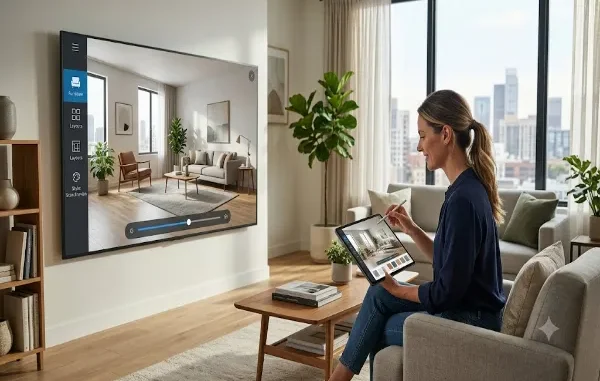
Planning a room used to involve sketches, mood boards, and a lot of guesswork. Whether you were redesigning a bedroom, updating a home office, or planning a new living space, it was often difficult to imagine how everything would look together before making changes.
Today, artificial intelligence is making that process much easier. Modern design tools can help homeowners, renters, interior designers, and real estate professionals visualize ideas in just a few minutes. Instead of relying only on imagination, users can see realistic room layouts before buying furniture or starting renovations.
This shift is helping people make better design decisions while saving both time and effort.

Why Visualization Matters Before Redesigning a Room
One of the biggest challenges in home design is uncertainty. A paint color may look different under natural light. A sofa that seems perfect in a showroom might appear too large once it is placed inside a room.
Visual planning reduces these risks by giving users a realistic preview of their ideas. Instead of making expensive mistakes, they can experiment with different layouts, furniture styles, flooring options, and wall colors before spending money.
This approach is becoming increasingly valuable for anyone planning even small home improvements.
The Role of AI in Interior Design
Artificial intelligence has changed how people approach creative tasks, and interior design is no exception. AI can analyze room dimensions, recognize existing furniture, and suggest layouts based on the available space.
Rather than starting from scratch, users can upload a room image and receive multiple design concepts within minutes. This makes the design process faster and more accessible for people who have little or no professional experience.
Many homeowners now explore AI 3D room design tools to test different decorating ideas before making final decisions. These platforms allow users to compare multiple styles without rebuilding the room repeatedly.
Making Interior Design More Accessible
Professional interior design services provide valuable expertise, but they are not always necessary for every project. Someone who wants to refresh a bedroom or redesign a study room may simply need inspiration and a clear visual plan.
AI-powered design platforms fill this gap by allowing users to experiment independently. Instead of spending hours searching through inspiration galleries, they can instantly generate room concepts that match their preferences.
This accessibility makes design less intimidating for first-time homeowners and renters who want to personalize their living spaces.
Faster Design Decisions
Traditional planning often requires multiple revisions before reaching the final layout. Furniture may be moved several times, paint samples compared repeatedly, and decorative items replaced until everything feels balanced.
AI significantly reduces this trial-and-error process.
Users can compare different furniture arrangements, color combinations, and decorative styles within minutes. Since every option can be viewed digitally, decisions become more informed and efficient.
This faster workflow also benefits interior professionals who need to present multiple concepts to clients within a limited timeframe.
Experimenting with Different Design Styles
Every homeowner has different preferences. Some enjoy modern interiors, while others prefer minimalist, classic, industrial, or Scandinavian-inspired spaces.
Instead of committing to one style immediately, AI allows users to explore several possibilities before making changes.
An empty room can quickly be transformed into different concepts, helping users understand which design best matches their lifestyle and available space.
Because these visualizations are created digitally, changing ideas doesn’t require additional cost.
Better Planning for Renovation Projects
Home renovation projects often involve multiple decisions happening at the same time. Flooring, lighting, furniture placement, wall finishes, and decorations all influence the final appearance.
Using an AI interior design generator helps organize these decisions more effectively by showing how different elements work together inside the same room.
Rather than selecting materials individually, homeowners can evaluate the complete design before beginning renovations.
This level of planning helps reduce uncertainty throughout the project.
Saving Time During the Design Process

Searching for inspiration across websites and social media can take hours. Even after collecting ideas, combining them into a practical room layout is not always easy.
AI simplifies this workflow by turning inspiration into realistic room concepts much faster.
Instead of manually comparing hundreds of images, users receive customized visualizations based on their own room dimensions and preferences.
This allows more time to focus on choosing materials and finalizing renovation plans.
Who Can Benefit from AI Room Design?
AI-based room planning is useful for many different users, including:
- Homeowners planning renovations
- Renters decorating apartments
- Interior designers preparing client presentations
- Real estate professionals staging properties
- Furniture retailers creating room inspiration
- Property developers presenting future living spaces
Because these tools are easy to use, they can support both professionals and beginners.
Exploring Modern AI Design Solutions
As AI technology continues to improve, room visualization platforms are becoming more practical and accurate. They help users understand design possibilities before investing in furniture, remodeling, or decoration.
Platforms like AI 3D room design available at 3droomdesign.ai allow users to explore different layouts, furniture arrangements, and interior concepts with greater confidence. Likewise, an AI interior design generator can simplify the planning process by producing visual room ideas that make design decisions easier and more organized.
Final Thoughts
Creating a comfortable and functional room no longer requires advanced design skills or countless revisions. AI has made interior visualization faster, more practical, and accessible to everyone.
Whether you’re planning a complete renovation or simply refreshing a single room, visualizing ideas before making changes can lead to better decisions and fewer costly mistakes. As AI continues to evolve, digital room planning is becoming an essential part of modern home design, helping people create spaces that fit both their needs and personal style.
Related posts:
 How Dechecker AI Checker Turns Awkward Drafts Into Human-Readable Content
 The Complete Guide to Using Telegram for Secure and Smart Communication
 The Chemistry Behind Firefighting Foam: How Surfactants Make Fire Suppression Work
 Dell Latitude 5540 Performance Tested: Can It Handle Your Workflow?
 Best Traction Tools for Lifted Jeeps & SUVs on the Trail
Leave a Reply