

Most people want to be there for the people they love. When a friend or family member starts struggling, the first instinct is usually to listen, encourage, and hope things improve. Often that support makes a real difference. But there are times when a mental health challenge grows beyond what conversations at the kitchen table can address, and knowing when to bring in professional help is one of the most valuable things a family can learn.
This is not a failure of love or effort. Some conditions involve changes in brain chemistry, deeply rooted patterns of thinking, or physical health complications that need trained professionals to treat safely. Understanding what specialized care offers, and when it becomes the right choice, can take much of the fear and guesswork out of the process.

Why Some Conditions Call for Specialized Care
General support, and even general talk therapy, works well for many of life’s difficulties. But certain conditions respond best to programs built specifically around them. Eating disorders are a clear example. They affect both mind and body at the same time, which means effective care has to address nutrition, medical stability, and the underlying emotional patterns all at once.
That is why specialized programs exist. Facilities offering eating disorder treatment in Los Angeles and in communities across the country typically bring medical monitoring, nutritional counseling, and therapy together under one roof — a level of coordination that a weekly counseling appointment alone usually cannot provide. The same logic applies to conditions like severe anxiety, trauma, and substance use: the more complex the condition, the more it benefits from a team trained to treat it.
According to the National Institute of Mental Health, mental health conditions are common and treatable, yet many people wait years before receiving care. Much of that delay comes from not knowing what treatment involves or where to begin — which is exactly why learning about the options matters.
What Specialized Treatment Actually Looks Like
The phrase “getting professional help” can sound vague or intimidating. In practice, specialized behavioral health care is structured, collaborative, and far more personalized than many people expect.
A Team, Not Just a Therapist
Specialized programs usually involve several professionals working together: therapists who lead individual and group sessions, medical staff who monitor physical health, dietitians who help rebuild a healthy relationship with food where relevant, and case managers who coordinate the details. Each person sees a different part of the picture, and together they adjust the plan as the person progresses.
Levels of Care That Match the Need
Treatment is not all-or-nothing. Care exists on a spectrum, so people can enter at the level that fits their situation and step down as they gain stability:
- Residential or inpatient care provides round-the-clock support for people who need a fully structured environment and close medical attention.
- Partial hospitalization programs (PHP) offer full days of treatment while allowing the person to sleep at home.
- Intensive outpatient programs (IOP) involve several sessions per week, leaving room for work, school, or family responsibilities.
- Standard outpatient therapy, often weekly, supports long-term maintenance and continued growth.
This flexibility means treatment can fit into a life rather than replacing it entirely, which makes reaching out feel far less daunting.
How Family and Friends Fit In
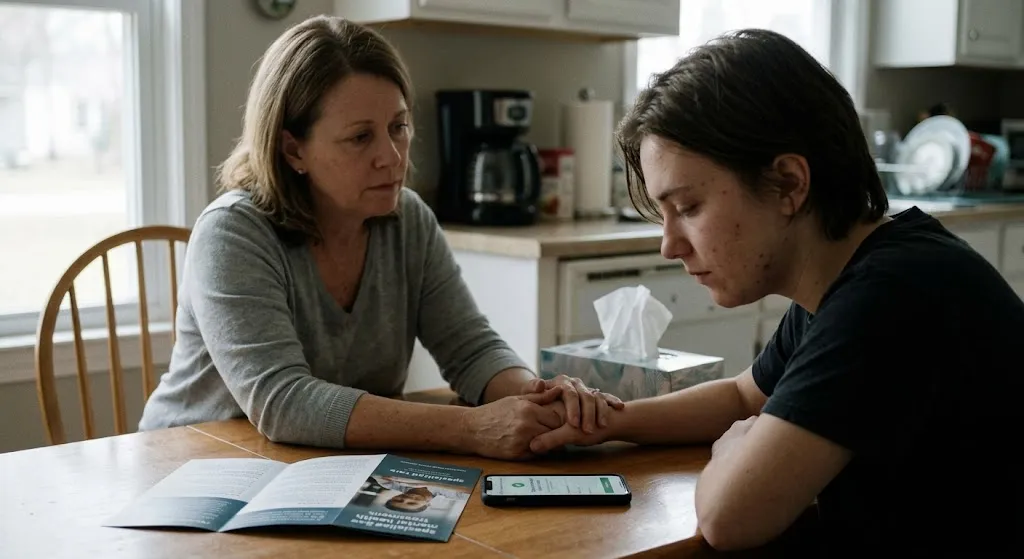
Loved ones do not stop mattering once professionals get involved. In fact, family support is one of the strongest predictors of how well someone does over time. A few ways to help without taking on the role of a treatment provider:
- Learn the basics of the condition from reputable sources so conversations start from understanding rather than assumption.
- Ask how you can help instead of guessing. Sometimes the answer is practical, like a ride to appointments, and sometimes it is simply company.
- Avoid commenting on appearance, weight, or food when someone is dealing with an eating disorder or body-image struggles.
- Take part in family therapy sessions if the program offers them. These sessions help everyone communicate more clearly.
- Look after your own wellbeing. Supporting someone through treatment is meaningful work, and it goes better when you are rested and supported too.
Myths That Keep People From Reaching Out
Even when people sense that professional care would help, old ideas often get in the way. One common myth is that treatment is only for a crisis. In reality, earlier support usually means an easier path, and no one needs to hit a dramatic low before asking for help.
Another myth is that accepting help means giving up control. Modern behavioral health care is collaborative — the person in treatment helps shape goals, gives feedback, and makes decisions alongside the care team. A third misconception is that struggling with mental health reflects weak character. Decades of research say otherwise: these are health conditions, influenced by genetics, biology, and life experience, and they respond to treatment the way health conditions do.
Letting go of these myths does not happen overnight, but every honest conversation about mental health makes the next one easier, both within families and in the wider community.
Strength in Asking for Support
Reaching out for professional care is not an admission of defeat. It is a practical, courageous decision to use every tool available. Whether the next step is a call to a family doctor, a consultation with a specialized program, or simply an honest talk with someone trusted, movement in the direction of help counts.
Recovery rarely follows a straight line, and it does not need to. With the right level of care, a supportive circle of people, and time, meaningful change is possible — and it starts with the simple belief that things can get better.
Related posts:
 Regaining Control on the Road to Recovery: What You Need to Know
 🦷 Emax vs Zirconia: Which Dental Veneer Is Better for Your Smile?
 Medical Malpractice in Florida: What Every Healthcare Provider Should Understand
 Why Migraine and Motion Sickness Often Travel Together
 How PRP Therapy Is Being Used for TMJ and Jaw Pain in Florida Clinics
Leave a Reply