
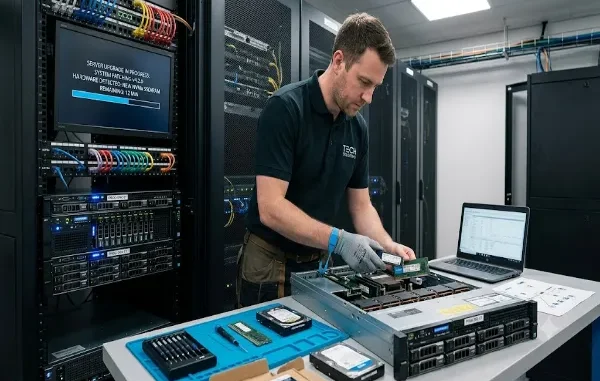
Technology does not stand still. Systems that worked well a few years ago can become slow, vulnerable, and expensive to maintain as business demands continue to grow.
Regular upgrades help businesses stay productive and secure. Understanding how software and hardware improvements affect performance makes it easier to plan future technology investments.
Why System Upgrades Matter for Business Technology
Businesses rely on technology for communication, security, data storage, and daily operations. Understanding computer repair cost helps organizations budget for maintenance and determine when upgrading outdated systems may be more practical than continuing to repair aging equipment.
Key Reasons Businesses Prioritize Upgrades
- Improved Reliability: Modern systems experience fewer crashes and unexpected failures.
- Enhanced Security: Updated platforms receive ongoing security patches and protection.
- Better Productivity: Employees spend less time waiting for slow applications.
- Stronger Compatibility: New software works more effectively with current tools.
- Reduced Downtime: Stable systems help maintain business continuity.
- Lower Support Costs: Fewer recurring issues often mean less troubleshooting.
- Scalable Infrastructure: Modern technology supports future business growth.
How Software and Hardware Upgrades Improve Daily Performance
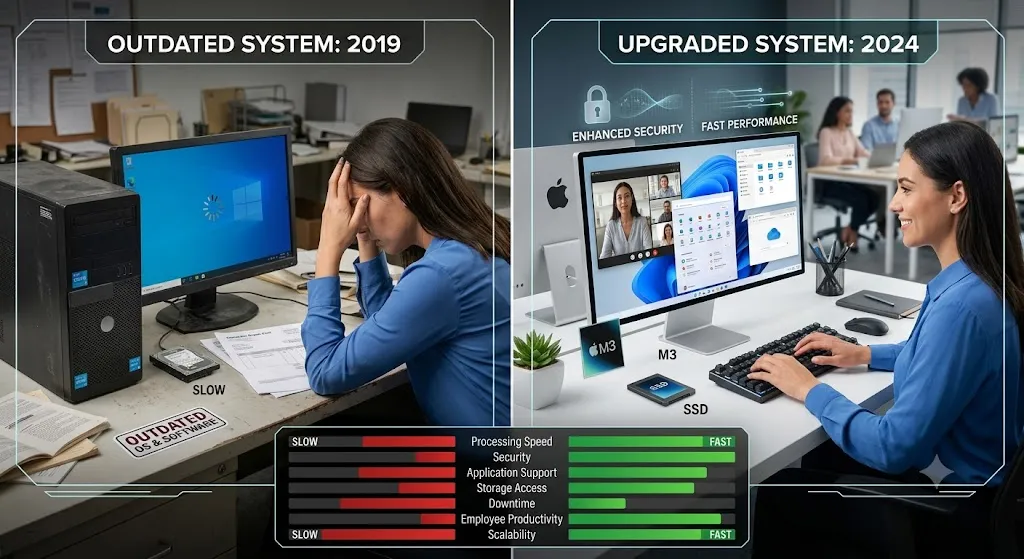
Software and hardware work together to determine overall system efficiency. When both are updated strategically, businesses often see immediate improvements in speed, reliability, and security.
1. Faster Processing Speeds
Older processors struggle to handle modern applications and multitasking requirements. Upgraded hardware allows systems to process information more efficiently and complete tasks with less delay.
Employees notice the difference during everyday work. Improved processing power helps applications launch faster, reduces lag, and supports smoother operation across multiple programs.
2. Improved System Stability
Outdated systems often experience crashes, freezing, and unexpected errors. These disruptions affect productivity and create frustration for employees trying to complete routine tasks.
Modern upgrades help eliminate many common issues. System stability improves when hardware components and software versions work together as intended by manufacturers.
3. Enhanced Security Protection
Cybersecurity threats continue to evolve each year. Older operating systems and unsupported applications often contain vulnerabilities that attackers actively target.
Regular updates help close those gaps. Security patches address known risks while newer hardware may include built in protections that strengthen overall defense capabilities.
4. Better Application Compatibility
Software developers frequently update products to support new features and security standards. Older devices may struggle to run current applications effectively.
Upgraded environments maintain smoother integration between platforms. Application compatibility helps businesses avoid disruptions caused by unsupported software and outdated systems.
5. Increased Storage Efficiency
Traditional hard drives and older storage technologies can slow down data access and file retrieval. Large files and growing databases place additional pressure on aging infrastructure.
Modern storage solutions improve performance significantly. Solid state technology allows quicker access to information and reduces delays during daily operations.
6. Reduced Downtime and Errors
System failures can interrupt customer service, internal communication, and critical business processes. Even short outages often create operational challenges.
Updated systems reduce the likelihood of unexpected failures. Operational continuity becomes easier to maintain when technology receives timely upgrades and maintenance.
Additional Benefits Businesses Gain From Upgrades
Performance improvements are only part of the value. Strategic upgrades often support broader business goals, including growth, flexibility, and long term cost management.
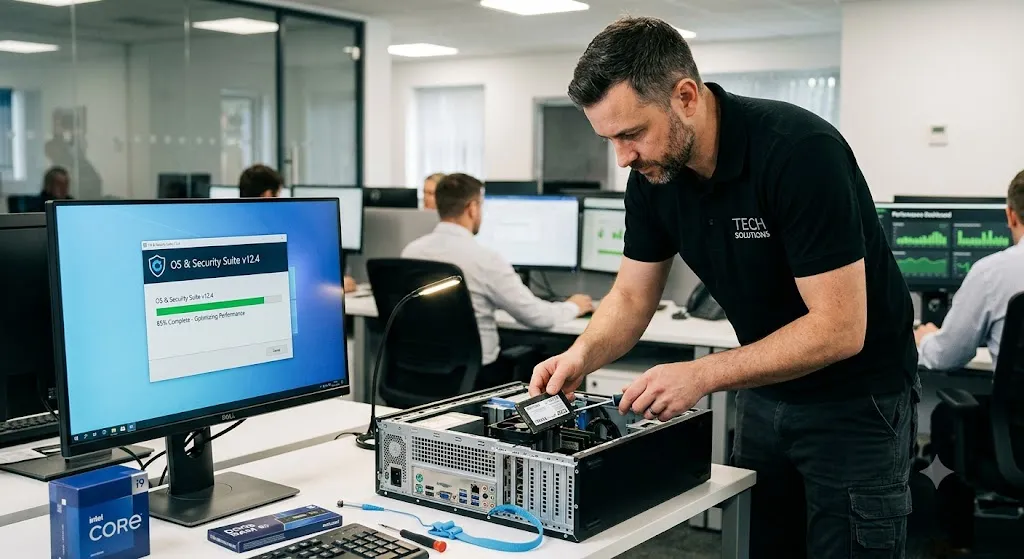
Better Employee Productivity
Slow computers create small delays throughout the workday. Those delays add up quickly when multiple employees depend on the same systems.
Faster technology supports smoother workflows. Workplace efficiency improves when staff can focus on tasks rather than waiting for applications to respond.
Stronger Remote Work Capabilities
Many organizations continue supporting hybrid and remote work arrangements. Employees require secure and reliable access to company resources from various locations.
Modern systems support these requirements more effectively. Remote connectivity improves through updated software, stronger authentication tools, and better network performance.
Improved Data Management
Businesses collect and process more information than ever before. Older systems may struggle to organize, secure, and retrieve growing volumes of data.
Modern platforms offer stronger capabilities. Data accessibility improves when upgraded systems can manage information quickly and consistently across departments.
Greater Scalability for Growth
Business growth often increases demands on technology infrastructure. Systems that supported ten employees may not perform well when supporting fifty.
Planning ahead reduces future disruptions. Organizations that invest in software and hardware upgrade services often position themselves for smoother expansion as needs evolve.
Lower Long Term Maintenance Costs
Aging equipment frequently requires repairs, troubleshooting, and emergency support. These recurring expenses can exceed the cost of planned upgrades over time.
Replacing outdated systems reduces ongoing issues. Predictable maintenance costs help businesses allocate resources more effectively and avoid unexpected technology expenses.
Future Ready Infrastructure
Technology requirements continue changing across industries. Businesses that delay upgrades too long often face larger and more expensive modernization projects later.
Regular improvements create flexibility. Future readiness allows organizations to adopt new tools and technologies without major infrastructure challenges.
Performance Comparison: Before and After Upgrades
| Performance Area | Outdated Systems | Upgraded Systems |
| Processing Speed | Slower response times | Faster task completion |
| Security | Higher vulnerability risk | Improved protection |
| Application Support | Limited compatibility | Supports current software |
| Storage Access | Longer file retrieval times | Faster data access |
| Downtime Frequency | More frequent disruptions | Improved reliability |
| Employee Productivity | Reduced efficiency | Smoother workflows |
| Scalability | Limited growth support | Easier expansion |
Signs It May Be Time to Upgrade
Technology problems rarely appear overnight. Most systems show warning signs before performance declines become severe.
- Frequent Slowdowns: Routine tasks take noticeably longer to complete.
- Software Compatibility Issues: New applications no longer function properly.
- Security Concerns: Systems can no longer receive vendor updates.
- Recurring Hardware Failures: Components require repeated repairs or replacement.
- Storage Limitations: Available capacity becomes difficult to manage.
- Increased Downtime: Unexpected outages occur more often.
- Higher Support Costs: Technology maintenance expenses continue rising.
- Employee Complaints: Users regularly report performance issues.
Conclusion
Software and hardware upgrades do far more than improve speed. They strengthen security, support productivity, reduce downtime, and help businesses prepare for future growth. Technology that receives regular updates performs more reliably and adapts more effectively to changing demands. By taking a proactive approach to upgrades, organizations can reduce risk, improve efficiency, and create a stronger foundation for long term success.
Related posts:
 Voyage Through Time: When will Time Travel be Possible
 Water Damage Restoration Service Lanham: Fast & Efficient
 What Does C3PAO Mean for the Future of Risk Management?
 Creating Stunning Face Swap Videos with AI: How to Use Face Swap Video Tools for Free
 How Dechecker AI Checker Turns Awkward Drafts Into Human-Readable Content
Leave a Reply