
When someone slips and falls, the first thing people usually look for is an obvious injury. A scraped knee, a swollen ankle, or a broken bone is easy to recognize. If nothing appears visibly wrong, it’s natural to assume the person escaped with only minor bumps and bruises.
The problem is that not all injuries announce themselves right away. Some of the most serious medical issues can remain hidden beneath the surface for hours or even days. A person may walk away from a fall feeling shaken but otherwise fine, only to discover later that something more significant occurred.
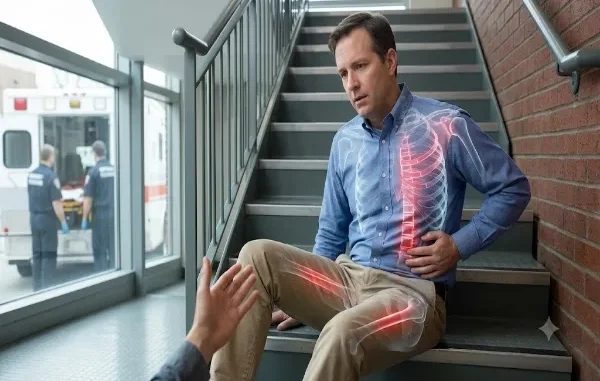
That’s one reason the signs of internal injuries after a slip and fall accident deserve serious attention. While internal injuries are less visible than cuts or fractures, they can sometimes pose far greater risks if they go unnoticed and untreated.
Hidden Injuries Often Do Not Hurt Right Away
One of the reasons internal injuries can be dangerous is that symptoms do not always appear immediately. After a fall, the body releases adrenaline, which can temporarily mask pain and make injuries seem less severe than they actually are.
Many people have experienced this effect firsthand. They get up after a fall, insist they’re fine, and continue with their day. Several hours later, soreness, discomfort, or other symptoms begin to develop. What felt minor at first suddenly feels very different.
This delay can create a false sense of security. Just because someone feels relatively normal right after an accident does not necessarily mean there was no injury. Paying attention to changes in how the body feels over time is often just as important as evaluating the initial impact.
Certain Symptoms Should Never Be Ignored
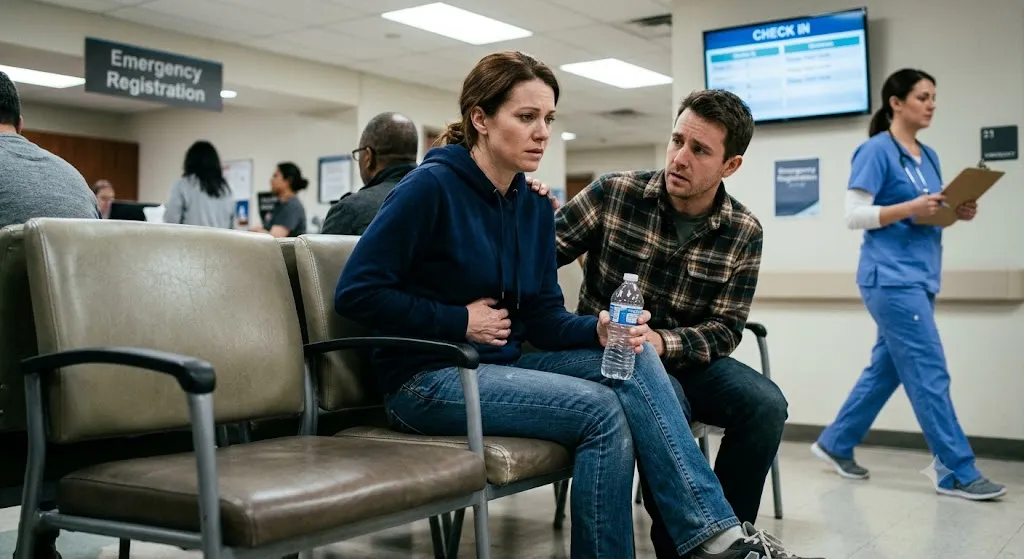
Internal injuries can present themselves in different ways depending on what part of the body has been affected. Severe abdominal pain, dizziness, unusual weakness, difficulty breathing, or significant swelling may all be warning signs that something more serious is happening.
Symptoms do not always appear all at once. A person may initially notice mild discomfort that gradually worsens over several hours. Others may experience nausea, confusion, headaches, or changes in skin color that seem unrelated to the original fall.
The key is to pay attention when something feels wrong. Many people know their bodies well enough to recognize when a symptom seems unusual or out of place. Ignoring those warning signs in the hope that they will simply disappear can be a risky decision.
A Fall Can Affect More Than Bones and Muscles
People often associate slip and fall accidents with broken bones or sprained joints. While those injuries are common, the forces involved in a fall can also affect organs, blood vessels, and internal tissues that are not visible from the outside.
A hard impact against the ground, a staircase, or another object can create trauma inside the body even when there are few external signs. Depending on how the person lands, different areas may absorb the force and sustain damage.
This is one reason seemingly routine falls can sometimes become serious medical events. Two people may experience similar accidents, yet one recovers quickly while the other develops complications that were impossible to see immediately after the incident.
Timing Can Make a Significant Difference
When internal injuries are involved, early medical evaluation can be extremely important. The sooner a problem is identified, the sooner healthcare providers can determine what treatment may be necessary and monitor for potential complications.
Delaying care can sometimes allow conditions to worsen. Internal bleeding, organ damage, and other serious issues may become more difficult to address if symptoms are ignored for too long. What starts as a manageable situation can become far more serious with time.
That does not mean every fall requires an emergency room visit. It does mean that concerning symptoms should be taken seriously, especially when they appear unexpectedly or continue getting worse after the accident.
Trust What Your Body Is Telling You
One of the biggest mistakes people make after a fall is assuming that visible injuries are the only injuries that matter. In reality, some of the most serious problems are the ones that cannot be seen without a proper medical evaluation.
Monitoring symptoms in the hours and days after a fall is often just as important as dealing with the immediate aftermath. Changes in pain levels, energy, mobility, or overall physical condition may provide important clues about what is happening beneath the surface.
Most falls result in relatively minor injuries, but hidden complications do occur. When something feels unusual, seeking medical attention is often the safest choice. A little caution today can help prevent a much larger problem tomorrow.
Related posts:
 Fun Facts About Milk
 Regaining Control on the Road to Recovery: What You Need to Know
 🦷 Emax vs Zirconia: Which Dental Veneer Is Better for Your Smile?
 Medical Malpractice in Florida: What Every Healthcare Provider Should Understand
 How PRP Therapy Is Being Used for TMJ and Jaw Pain in Florida Clinics
Leave a Reply