
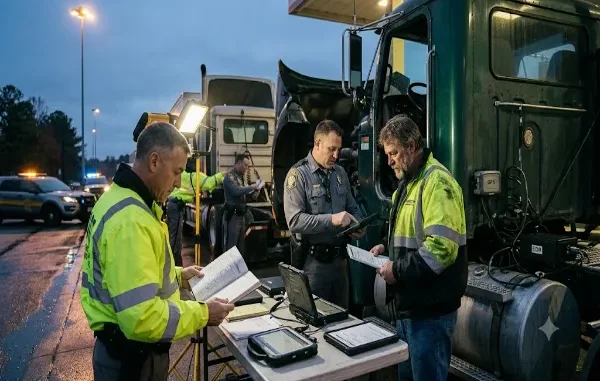
Commercial trucks play a vital role in keeping the economy moving. Every day, thousands of tractor-trailers transport food, consumer goods, industrial equipment, and raw materials across the country. Most of these trips are completed safely, but the consequences can be severe when something goes wrong.
Unlike passenger vehicles, fully loaded commercial trucks can weigh up to 80,000 pounds. Because of their size and stopping distance, even a momentary lapse in attention can lead to devastating collisions that affect multiple vehicles and cause life-altering injuries.
When serious crashes occur, victims often find themselves facing large trucking companies and their insurers. Navigating those challenges frequently requires the assistance of a skilled truck accident lawyer in Houston who understands the regulations, evidence, and corporate defense strategies commonly involved in commercial trucking cases.
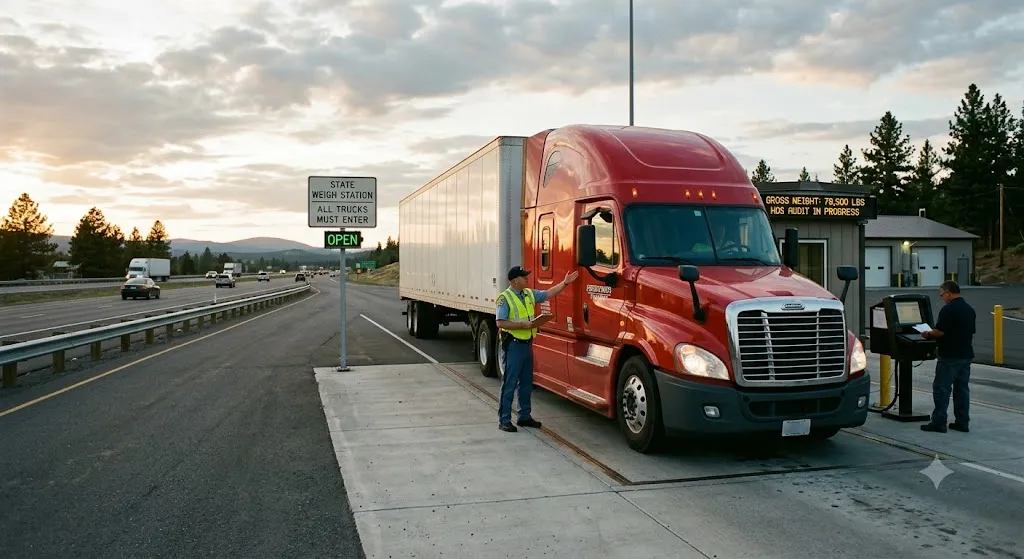
Federal Rest Requirements Exist for a Reason
Driver fatigue has long been one of the biggest concerns in the trucking industry. Long hours behind the wheel can reduce reaction times, impair judgment, and increase the likelihood of serious mistakes.
To address these risks, federal regulations establish strict hours-of-service requirements that limit how long drivers can operate commercial vehicles before taking mandatory rest breaks. These rules are designed to reduce fatigue-related accidents and improve roadway safety.
Trucking companies and drivers are required to maintain records documenting compliance with these requirements. When a serious accident occurs, investigators often review those records closely to determine whether fatigue may have contributed to the crash.
Hidden Records Can Tell a Different Story
Although electronic logging systems have improved accountability, investigators do not rely solely on a driver’s official records. Additional documentation can often provide valuable insight into what actually occurred.
Fuel receipts, toll records, GPS data, dispatch communications, and delivery schedules may all be compared against electronic logs. These records can reveal inconsistencies that raise questions about whether the driver or company followed applicable regulations.
When discrepancies appear, investigators may take a closer look at company practices and operational decisions. Establishing what happened during the hours leading up to a collision is often a critical part of building a trucking accident case.
Technology Records Critical Moments
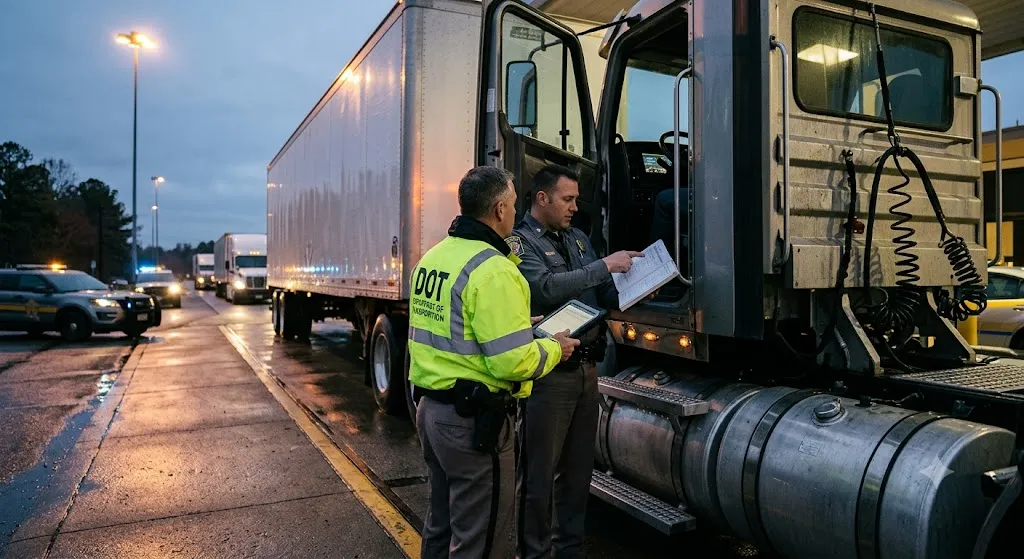
Modern commercial trucks generate large amounts of electronic data during operation. Event data recorders, commonly referred to as black boxes, often capture valuable information before and during a collision.
These systems may record vehicle speed, braking activity, steering inputs, throttle position, and other operational details. Investigators use this information to reconstruct events and determine how the accident unfolded.
In some cases, electronic data can reveal that a driver failed to react before impact or that the vehicle was operating in an unsafe manner. This objective evidence often becomes one of the most important components of a trucking accident investigation.
Corporate Decisions Matter Too
Truck accident cases do not always focus exclusively on the driver. Company policies, dispatch practices, and management decisions may also play an important role when determining responsibility.
A trucking company that encourages unrealistic schedules or ignores safety concerns may contribute to conditions that increase accident risks. Decisions made far from the roadway can sometimes have direct consequences for drivers and the public.
Because of this, investigations often extend beyond the individual driver and examine the broader operational practices of the carrier. Identifying systemic problems can help establish accountability and encourage safer industry standards moving forward.
Conclusion
Commercial trucking regulations exist to protect everyone sharing the road. Hours-of-service requirements, electronic monitoring systems, and safety protocols are all designed to reduce risks associated with operating large commercial vehicles.
When serious accidents occur, uncovering the full story often requires a detailed examination of records, electronic data, and company practices. The evidence may reveal problems that are not immediately apparent at the crash scene.
Holding negligent parties accountable benefits both accident victims and the public. Thorough investigations and meaningful consequences help encourage safer operations throughout the trucking industry while providing injured individuals with an opportunity to pursue fair compensation.
Related posts:
 8 Essential Supplies Every Cat Owner Should Have
 Why More Homeowners Are Investing in Garden Rooms in 2026
 Broiler Weight Chart by Age: Weekly Growth Norms from Hatch to Slaughter
 How to prepare for your first dental visit in years
 Why Siding Plays a Key Role in Reducing Exterior Maintenance Throughout the Year
Leave a Reply