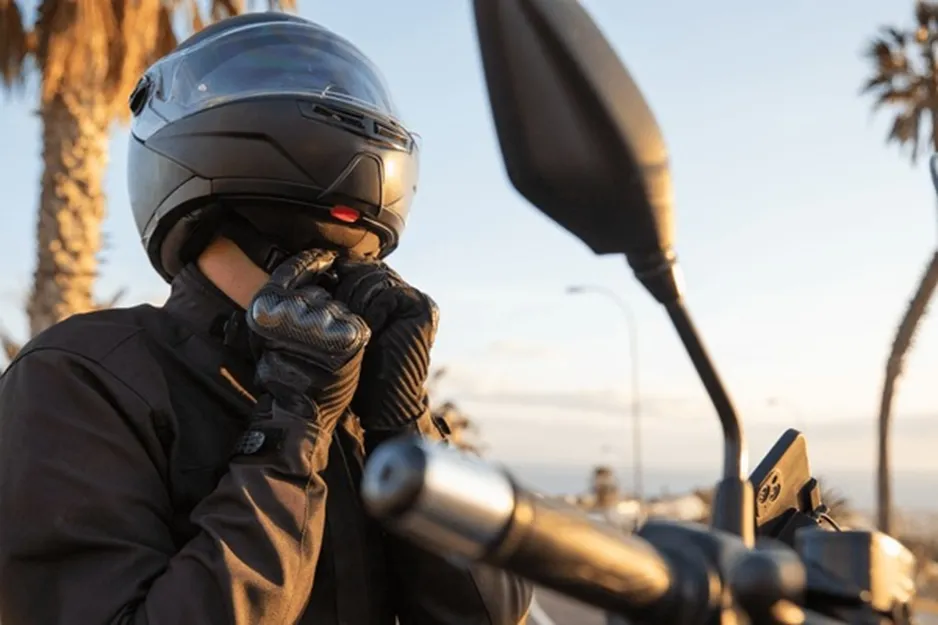
Motorcycle crashes are unpredictable, and when they happen, injuries can be severe. That’s exactly why mandatory helmet requirements exist. They’re designed to reduce life-threatening injuries and protect riders on the road.
Helmet laws play a major role in what happens after a crash, especially when it comes to insurance claims and personal injury compensation. In many cases, not wearing a helmet can lead to reduced compensation or arguments that the rider contributed to their own injuries.
In other words, wearing or not wearing a helmet can affect both your safety and your legal case.
Understanding Mandatory Helmet Requirements in the U.S.
Motorcycle helmet requirements differ by state. While every state requires riders under a certain age (usually under 21) to wear helmets, only some states require all riders and passengers to wear them regardless of age.
Other states have partial laws. For example, a rider over 21 may be allowed to ride without a helmet if they carry a certain amount of medical insurance or meet specific requirements.
If you violate mandatory helmet requirements, you could get fined or points on your driving record.
Why Helmets Matter for Rider Safety
Motorcycles don’t offer the same physical protection as cars. Riders are far more exposed during a collision, which makes head injuries one of the most serious risks.
Helmets are specifically designed to absorb impact and reduce the force transferred to the brain during a crash.
Beyond preventing fatal injuries, helmets also help reduce the severity of trauma. They protect riders from road debris, hard pavement impacts, and other hazards that can cause devastating brain injuries.
However, novelty helmets or non-approved gear often fail to provide real protection in serious crashes. DOT-approved helmets meet federal safety standards for impact resistance and energy absorption.
How Helmet Use Can Affect Compensation

If you were injured in a motorcycle accident caused by another driver, you may be entitled to compensation for medical bills, lost income, and pain and suffering. But insurance companies and defense attorneys often look closely at whether the rider was wearing a helmet.
In many states, not wearing one can lead to what’s called a comparative negligence argument. This means the defense may claim that your injuries were worse because you chose not to wear a helmet. If a court agrees, your compensation could be reduced by a percentage based on your level of responsibility.
For example, if a jury decides that failing to wear a helmet contributed to your injuries, they might reduce your award by 10-30 percent. The exact outcome depends on the state’s laws and the specific details of the case.
On the other hand, wearing a helmet can strengthen your claim. It shows that you took reasonable steps to protect yourself, which makes it harder for insurers to argue that your injuries were avoidable.
What Riders Should Do After a Crash
If you’re involved in a motorcycle accident, documenting what happened is critical.
Your helmet can actually become an important piece of evidence in your claim. A damaged helmet helps demonstrate the force of the crash and can support medical findings related to head injuries.
After an accident, try to:
- Take photos of your helmet and other riding gear.
- Document the crash scene if possible.
- Obtain a copy of the police report.
- Seek medical attention immediately.
- Speak with an experienced motorcycle accident attorney.
These steps help preserve evidence and protect your right to pursue fair compensation.
Final Takeaways
- Helmets reduce the risk of severe head injuries in motorcycle crashes.
- Motorcycle helmet requirements vary by state, so riders should know local rules.
- Wearing a helmet can strengthen injury claims after an accident.
- Not wearing one may reduce compensation in some cases.
- Photograph helmet damage after a crash to support your claim.





Leave a Reply