

Moving out of an apartment in Chicago is one of those experiences that always takes longer and costs more than expected. Between coordinating the truck, wrapping fragile items, dealing with elevator reservations in high-rise buildings, and notifying every utility and subscription you have, the actual cleaning of the unit tends to get pushed to the very end of the list. By the time moving day arrives, most people are exhausted and running out of time. That is exactly when cleaning mistakes happen, and those mistakes often show up directly in the security deposit calculation.
Move out cleaning services Chicago professionals handle this specific situation every day, and the difference between a deposit recovered in full and one that comes back partially refunded often comes down to whether the unit was cleaned by someone who knew what landlords actually look for. Mums Cleaning Services Chicago works with renters across the city at this exact stage of the moving process, providing thorough, systematic cleaning that meets the standards Chicago landlords expect.
The deposit math is straightforward and real. In Chicago, where rents in many neighborhoods have risen significantly over the past several years, a security deposit often represents a substantial sum. Losing even a portion of it to cleaning deductions is genuinely costly. The investment in professional move-out cleaning almost always returns more than it costs when the alternative is losing part of your deposit.
Why Move-Out Cleaning Is Different From Regular Cleaning
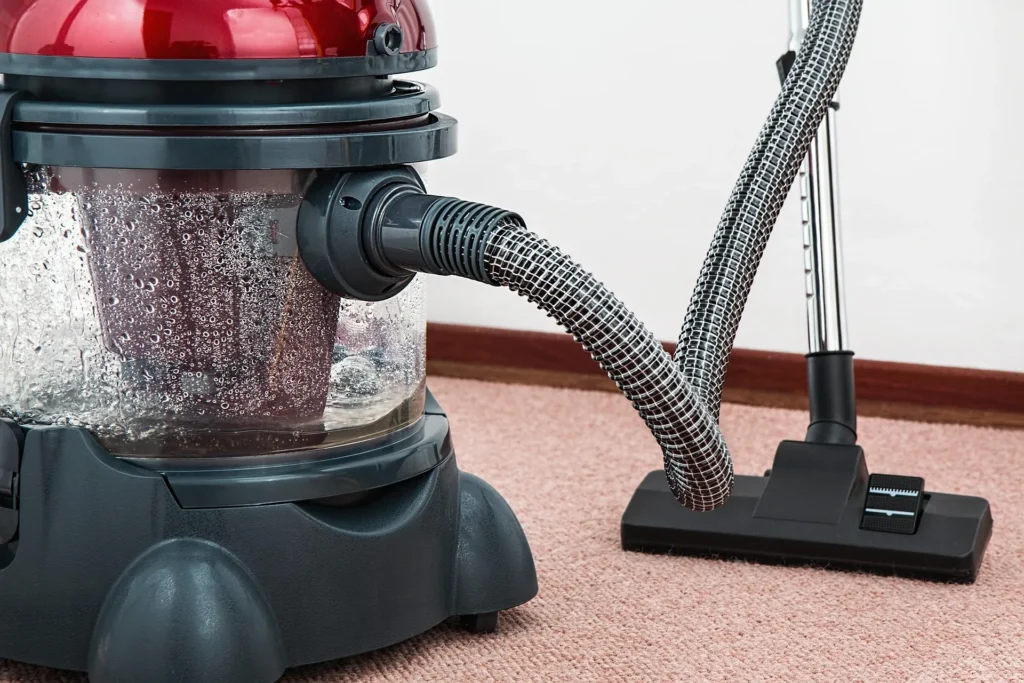
A standard maintenance cleaning and a proper move-out clean are not the same thing, and treating them as interchangeable is one of the most common mistakes renters make. A routine visit maintains a lived-in home. A move-out clean prepares a vacant unit to be returned to a condition that satisfies a landlord’s inspection, and that means going considerably further than surface-level tidying.
The scope of a real move-out clean covers every part of the unit that accumulated use during your tenancy. It is not a quick pass with a mop. It is a systematic, room-by-room process that addresses every surface, every fixture, every interior space, and every area that tends to develop buildup over months or years of occupancy.
Room-by-Room: What a Real Move-Out Clean Covers
The Kitchen
The kitchen is where move-out cleans take the most time, and it is the room landlords inspect most carefully. The oven interior, stovetop grates and drip pans, interior and exterior of all appliances, the range hood and its filter, cabinet interiors and exteriors, the area beneath and behind the refrigerator and stove, and all sink and fixture surfaces need to be addressed. Grease accumulates on surfaces that are rarely noticed during regular tenancy, and it becomes visible under a landlord’s inspection.
Bathrooms
Soap scum, hard water staining, and mildew in grout lines are the most common bathroom issues flagged on move-out inspections. Every surface needs to be addressed: the toilet inside and out, shower and tub with grout lines scrubbed, sink and vanity, mirror, exhaust fan cover, and flooring along the edges and in corners. Mineral deposits around fixtures require specific products that general-purpose sprays cannot adequately address.
Living Areas and Bedrooms
Window sills, baseboards, closet interiors, light switches, outlet covers, ceiling fan blades, and all flooring need proper attention. Blinds, which collect dust throughout a tenancy and are frequently left uncleaned, are consistently flagged on inspection reports. Flooring beneath furniture that has been removed often reveals dirt that has accumulated undisturbed.
The Scheduling Problem Nobody Plans For

The scenario plays out repeatedly in Chicago: a renter plans to spend the final hours of moving day cleaning the unit. The move takes longer than expected, the last box leaves the building in the late afternoon, and suddenly there are two hours to clean an apartment that needs four or five to do properly. The result is a rushed job that misses the details landlords check most carefully.
Scheduling move out cleaning services Chicago in advance, ideally for the day after you have fully cleared the unit, solves this problem entirely. The space is empty, the cleaners have adequate time, and there is no pressure from a ticking clock.
Move-In Cleaning: Starting Fresh on Your Terms
The same logic that makes professional move-out cleaning valuable also applies to moving into a new place. Even units described as professionally cleaned before occupancy are frequently found to have significant residue in kitchens and bathrooms when independently cleaned by house cleaning services Chicago residents hire for move-in situations.
Cleaning your new home before your furniture and boxes arrive gives you the chance to start genuinely fresh, without inheriting the previous occupant’s cleaning standards. It also gives you a clean baseline to maintain going forward, which makes regular cleaning substantially more manageable.
What to Tell Your Cleaning Service Before They Arrive
The more information you provide when booking, the better the results. Square footage and number of rooms helps with scheduling. Known problem areas, such as a heavily used oven, hard water staining in the bathroom, or carpet that needs attention, allow the team to plan accordingly. Whether the unit is furnished or empty affects timing. Your move-out deadline and any access constraints are important for coordination.
Mums Cleaning Services Chicago customizes the scope of every move-out job based on the specific unit and its condition rather than applying a standardized checklist regardless of circumstances. That approach is what produces consistent results rather than just consistent effort.



Leave a Reply