


Traditional reel-based machines were built around a straightforward concept involving rotating cylinders, printed symbols and mechanical controls. Their physical construction determined how information appeared and limited the number of creative features that developers could introduce.
The transition to digital technology changed these possibilities considerably. Software-based games can incorporate animated environments, alternative symbol arrangements and detailed information panels without depending on physical moving parts.
Here are thirteen interesting developments that explain how online slot games have transformed the traditional reel experience while preserving several recognisable characteristics.
1. Physical Reels Have Become Digital Representations
Traditional machines relied on physical cylinders that rotated inside a cabinet. Digital alternatives reproduce this movement using graphical rendering and software-based calculations.
A modern slot game can display symbols through virtual reels without requiring mechanical equipment. This allows developers to modify the appearance, arrangement and movement of individual elements more freely. The visible animation presents an outcome rather than independently determining its probability.
2. Symbols Have Become More Artistically Detailed
Early mechanical machines required symbols that could be printed clearly within limited physical space. Fruits, bells and numbers were practical choices because they were easy to recognise.
Digital technology allows artists to create more detailed illustrations, including fictional characters, historical objects and imaginary creatures. However, symbol readability remains important, especially when several detailed images appear together on a small screen. Attractive artwork does not determine the mathematical value of a symbol.
3. Backgrounds Can Now Include Animated Environments
Physical machines typically featured stationary decorative panels surrounding the reels. Digital interfaces can incorporate moving clouds, flowing water and changing environmental lighting.
These effects may be organised into separate graphical layers, allowing individual objects to move independently. Developers can establish a distinctive atmosphere without changing the underlying rules. The challenge involves keeping moving backgrounds from interfering with important information displayed in the foreground.
4. Reel Configurations Have Become More Varied
Mechanical construction placed practical restrictions on the number and arrangement of physical reels. Software-based designs provide greater flexibility because the displayed structure is not tied to rotating cylinders.
Contemporary games may feature rectangular grids, changing symbol positions or alternative configurations. These arrangements can introduce different methods of displaying and evaluating combinations. Nevertheless, larger grids and additional positions do not automatically indicate more favourable financial conditions.
5. Sound Has Become an Independent Design Component
Mechanical machines produced distinctive noises through their physical operation. Modern digital interfaces can reproduce these sounds while introducing separate musical tracks, environmental audio and notifications.
Developers can adjust the volume and timing of individual audio components without modifying the graphics. This provides opportunities for more controlled audiovisual presentation. Sound effects should communicate events accurately, particularly when a displayed payout represents an overall financial loss.
6. Information Panels Can Explain More Detailed Rules
Traditional machines often displayed instructions and payout information on printed surfaces. Available space limited the amount of information that could be presented.
Online interfaces can organise explanations across multiple digital pages. Descriptions associated with names such as raja slot may introduce different game categories, but the specific information panel remains necessary for understanding each title’s rules.
Digital documentation offers greater flexibility, although its usefulness depends on accuracy and accessibility.
7. Different Combination Systems Have Become Possible
Traditional reel designs commonly relied on defined horizontal lines. Digital systems allow developers to introduce alternative methods for evaluating symbol arrangements.
Some games recognise groups of neighbouring symbols rather than conventional paylines. Others apply different rules involving specified positions or changing configurations.
These approaches demonstrate the flexibility of software development, but their mathematical significance depends on the individual game’s rules rather than the number of visible combinations.
8. Characters Can Interact With the Visual Environment
Illustrated characters were primarily decorative elements on traditional machine cabinets. Digital animation allows fictional figures to move, change expressions and interact with surrounding objects.
These movements can reinforce a particular artistic theme or communicate transitions between screens. However, character reactions should not be mistaken for evidence of approaching results. Unless the rules identify a mechanical function, such movements remain part of the game’s presentation.
9. Interfaces Can Adapt to Different Devices
Physical machines were designed around fixed cabinet dimensions. Online games must accommodate smartphones, tablets and desktop computers with different screen sizes.
Responsive design allows information panels, controls and graphical elements to change position according to available space. Developers may simplify decorative backgrounds while preserving essential instructions. These adjustments highlight how modern design must account for accessibility and usability rather than focusing exclusively on appearance.
10. Animation Timing Can Be Controlled Through Software
Mechanical movement was influenced by the physical construction of individual machines. Digital animations allow developers to control movement through software-defined sequences.
Transitions can be shortened, extended or modified without replacing physical components. Nevertheless, animation timing must remain separate from outcome generation. Unusual pauses or changes in reel speed do not provide reliable information about forthcoming random results.
11. Accessibility Options Have Expanded
Digital interfaces can include settings that would have been difficult to implement on traditional machines. Adjustable audio, readable text and reduced-motion options are examples of possible improvements.
These settings can accommodate different visual requirements and personal preferences. Their purpose should be to make information accessible rather than encourage prolonged participation. Important financial details must remain understandable regardless of which decorative effects are enabled.
12. Technical Testing Has Become More Extensive
Traditional machines required mechanical inspections and physical maintenance. Digital products introduce additional testing requirements involving software functionality, mathematical accuracy and graphical performance.
Developers must examine whether displayed information corresponds with intended calculations. They also need to identify issues involving different operating systems and screen dimensions. These checks address technical reliability without removing the financial uncertainty associated with gambling.
13. Traditional Design Elements Continue to Influence Modern Games
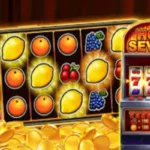
Despite considerable technological change, many familiar characteristics remain recognisable. Reel movements, fruit illustrations and conventional symbol arrangements continue to appear alongside newer artistic approaches.
Their continued use demonstrates that technological development does not require abandoning every earlier design principle. Familiar visual structures can coexist with modern graphical resources, provided the interface communicates its rules clearly.
Conclusion
Online slot games have transformed traditional reel-based experiences through digital animation, alternative layouts, responsive interfaces and expanded artistic possibilities. These changes reflect developments in software engineering, graphic design and accessibility.
However, improvements in presentation should remain distinguishable from mathematical operation. Understanding this separation provides a clearer perspective on how traditional concepts have been adapted for modern technology without eliminating the financial risks associated with gambling.




Leave a Reply