
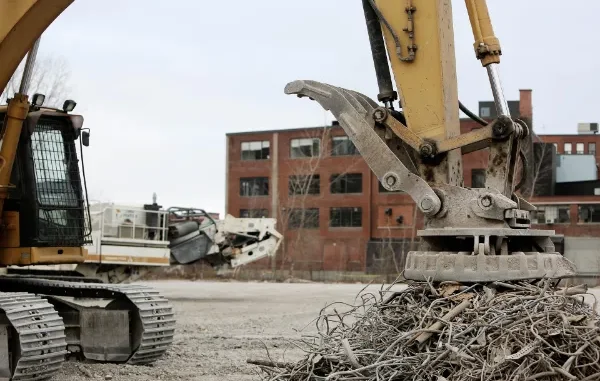
Construction and renovation projects generate large volumes of waste that must be managed efficiently to maintain progress. From demolition debris to packaging materials, waste can quickly accumulate and disrupt workflow if not handled properly. Without a structured system, even well-organized projects can face delays and safety concerns.
Many project managers initially rely on standard waste disposal methods, only to find them insufficient for handling large quantities of debris. Repeated trips to disposal sites and scattered waste piles create unnecessary interruptions that affect productivity. Over time, these inefficiencies can impact both timelines and budgets.
Using Rolloff Service provides a practical solution for managing waste directly on-site. With reliable support from Hiep Sanitation, project teams can maintain organized workspaces and ensure that debris is handled consistently throughout every phase of construction or renovation.
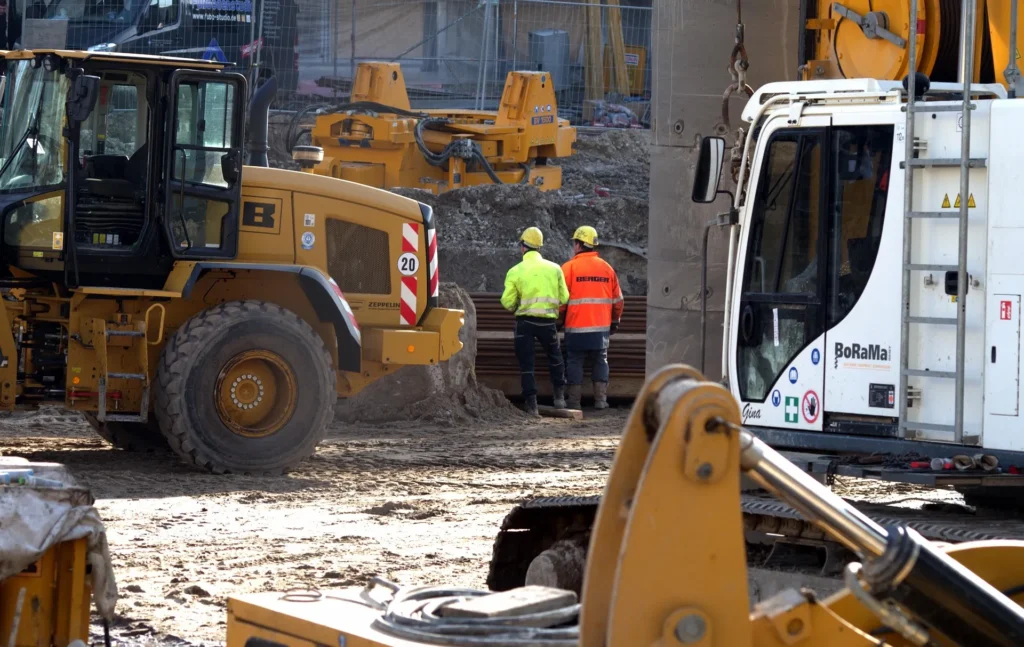
Understanding the Importance of On-Site Waste Management
Efficient waste handling is a critical component of any large project. When debris is not managed properly, it quickly becomes an obstacle that interferes with daily operations.
Construction sites often have limited space, and scattered materials reduce the available working area. Workers must spend additional time clearing debris before continuing their tasks, which slows progress.
A structured system ensures that waste is contained and removed without interrupting workflow.
Keeping Work Areas Clear and Functional
Reducing Obstructions on the Job Site
Debris left in active work zones creates unnecessary obstacles. Materials such as wood scraps, drywall, and packaging can block pathways and limit access to equipment.
Using Rolloff Service allows workers to dispose of waste immediately in a designated container. This prevents buildup and keeps work areas open.
Clear spaces improve both efficiency and safety across the site.
Supporting Continuous Project Flow
Construction projects rely on completing tasks in a specific order. If waste blocks an area, the next stage cannot begin until it is cleared.
Consistent waste removal ensures that each phase of the project can proceed without delay. Organized sites support smoother transitions between tasks.
Reducing Time Spent on Waste Handling
Eliminating Frequent Disposal Trips
Transporting debris to disposal facilities requires loading, driving, and unloading materials. These repeated trips consume valuable time that could be spent on productive work.
With a rolloff container on-site, waste can be discarded immediately. This eliminates the need for constant transportation and helps maintain focus on the project.
Time savings contribute directly to improved efficiency.
Maintaining Workflow Efficiency
Interruptions caused by waste management slow down progress and disrupt concentration. Workers may need to pause their tasks to handle debris, which reduces productivity.
A reliable disposal system allows teams to work continuously without unnecessary breaks.
Enhancing Safety Across the Worksite
Minimizing Trip and Fall Risks
Loose debris is one of the most common hazards on construction sites. Materials left on the ground can lead to slips, trips, and falls.
Centralized waste disposal keeps pathways clear and reduces these risks. Workers can move safely throughout the site without navigating obstacles.
Safer environments support better performance and fewer disruptions.
Keeping Emergency Access Points Clear
Emergency access routes must remain unobstructed at all times. Debris buildup can block exits and delay response times in critical situations.
Using Rolloff Service ensures that waste is contained and does not interfere with emergency pathways.
Prepared sites improve overall safety conditions.
Handling Large and Heavy Materials Efficiently
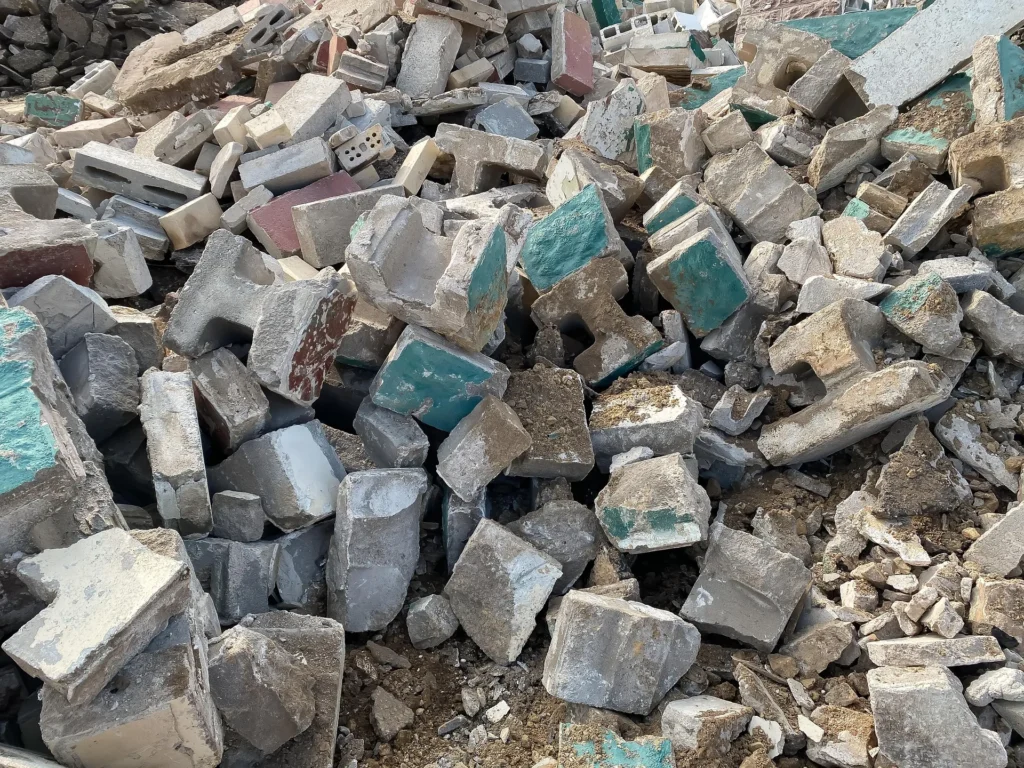
Construction projects often involve materials that are difficult to manage using standard waste bins. Items such as concrete, wood beams, and demolition debris require adequate capacity.
Rolloff containers provide the space needed to handle these materials without slowing down the project. Workers can dispose of heavy items quickly and safely.
Proper capacity prevents waste from becoming a bottleneck.
Supporting Better Site Organization
Creating Structured Work Zones
Organized construction sites separate active work areas from waste zones. This structure helps workers understand where materials should be placed.
A designated disposal system ensures that debris remains in a specific location, reducing confusion and improving coordination.
Clear organization supports smoother project management.
Preventing Site Congestion
Debris piles can create congestion that restricts movement across the site. Equipment operators and workers may struggle to navigate crowded areas.
Regular waste removal prevents these bottlenecks and allows teams to move freely.
Improved mobility supports faster task completion.
Improving Worker Productivity and Morale
Clean and organized environments have a direct impact on how employees perform. Cluttered worksites can feel overwhelming and reduce motivation.
When waste is managed effectively, workers can focus on their tasks without distraction. This leads to better productivity and improved morale.
Teams perform more efficiently in well-maintained environments.
Supporting Compliance With Safety Standards
Construction projects must follow safety regulations that include proper waste management. Excess debris is often identified during inspections as a potential hazard.
Using Rolloff Service helps maintain compliance by keeping sites clean and organized. Prepared environments are more likely to pass inspections without issues.
Compliance reduces the risk of delays and penalties.
Protecting Equipment and Materials
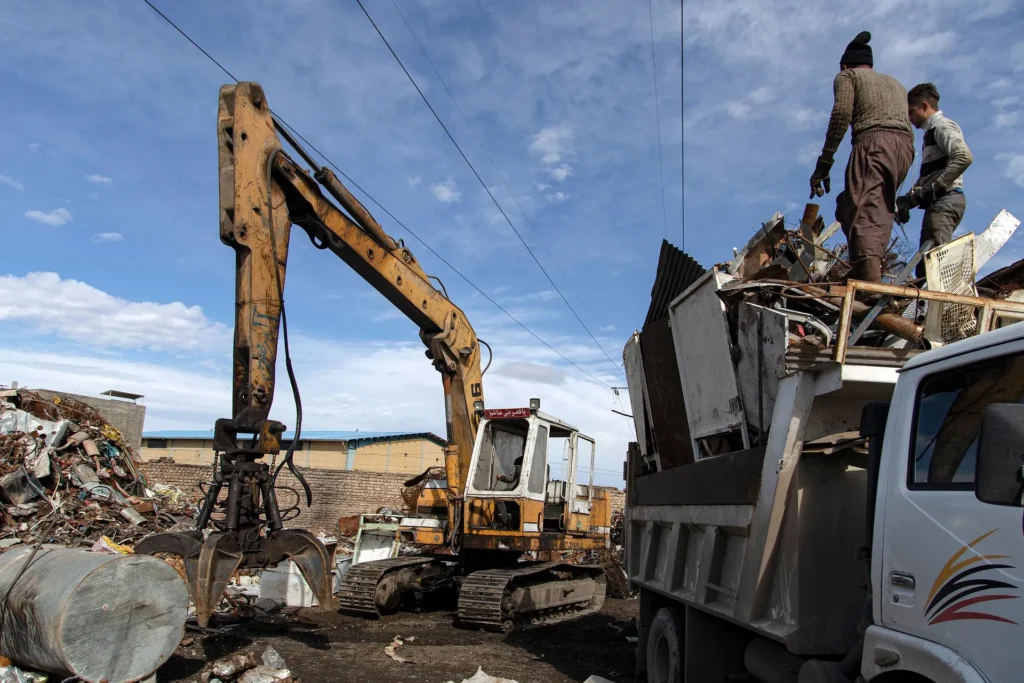
Debris scattered across the site can damage tools and equipment. Dust, sharp objects, and loose materials may interfere with machinery or cause wear.
Keeping waste contained helps protect valuable assets and ensures that equipment operates efficiently.
Preventive care reduces maintenance costs and downtime.
Improving Project Coordination
Large projects often involve multiple teams working simultaneously. Without a clear waste management system, confusion can arise about where debris should go.
A centralized disposal solution ensures that all workers follow the same process. This improves coordination and reduces miscommunication.
Clear systems support teamwork and efficiency.
Supporting Environmental Responsibility
Construction waste must be handled responsibly to minimize environmental impact. Improper disposal can affect surrounding areas and communities.
Working with Hiep Sanitation ensures that waste is processed according to proper guidelines. Structured systems support responsible disposal practices.
Environmental awareness is an important part of modern construction projects.
Enhancing Overall Project Efficiency
Efficient waste management contributes to every aspect of a project. When debris is handled properly, workflows remain consistent and predictable.
Project managers can plan tasks more effectively when sites are organized and free of obstacles. This leads to better control over timelines and resources.
Hiep Sanitation provides support that helps maintain these conditions throughout the project.
Conclusion
Construction and renovation projects depend on organization, safety, and efficient workflows. Without proper waste management, debris can quickly disrupt progress and create unnecessary challenges.
Rolloff Service provides a reliable solution by keeping work areas clear, reducing delays, and improving safety. By centralizing waste disposal, it allows teams to focus on their tasks without constant interruptions.
With dependable support from Hiep Sanitation, project managers and contractors can maintain cleaner worksites, improve productivity, and complete projects with greater confidence and efficiency.




Leave a Reply