

You’ve spotted a damp patch on the ceiling, noticed a mysterious puddle on the floor, or received a water bill that’s much higher than usual; there’s clearly a leak somewhere, but finding exactly where the water is coming from is proving difficult. Hidden leaks can cause considerable damage if they’re left unresolved, so you have to act quickly, even when you can’t immediately spot the issue.
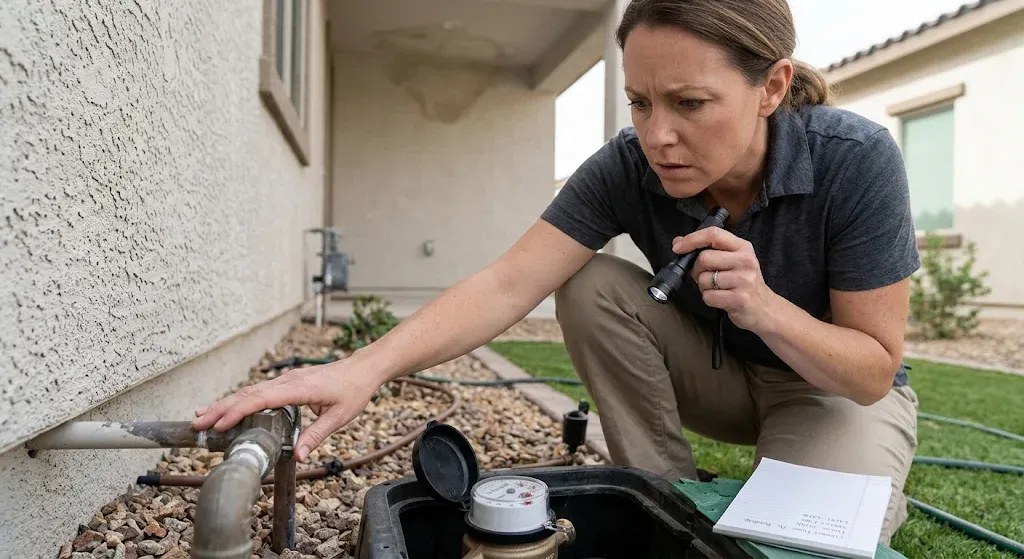
Below, explore what you should do if you suspect a leak in your home but can’t work out where it’s coming from.
Check the Most Common Problem Areas
Before you assume the worst, take a closer look at the places where household leaks tend to develop. Start with underneath sinks, around toilets, behind appliances, and near your water heater. Even a small amount of moisture around pipes or connections could point to a problem.
Don’t forget to check less obvious areas, such as inside kitchen cabinets or around bathroom fixtures. Water can travel along pipes, walls, and flooring before becoming visible, meaning the wet patch you’ve discovered might be some distance from the actual leak.
Turn Off Your Water Supply
If you suspect an active leak, turn off your home’s main water supply. Doing so can help prevent further damage while you investigate. This step is vital if water is collecting on the floor or affecting walls and ceilings.
Once the water is off, observe whether the dripping or pooling starts to slow down. If it continues, the problem could involve trapped water, a drain, or an external source rather than a pressurized supply pipe. Keep in mind, however, that this isn’t always a reliable way to identify the cause.
Take a Look at Your Water Meter
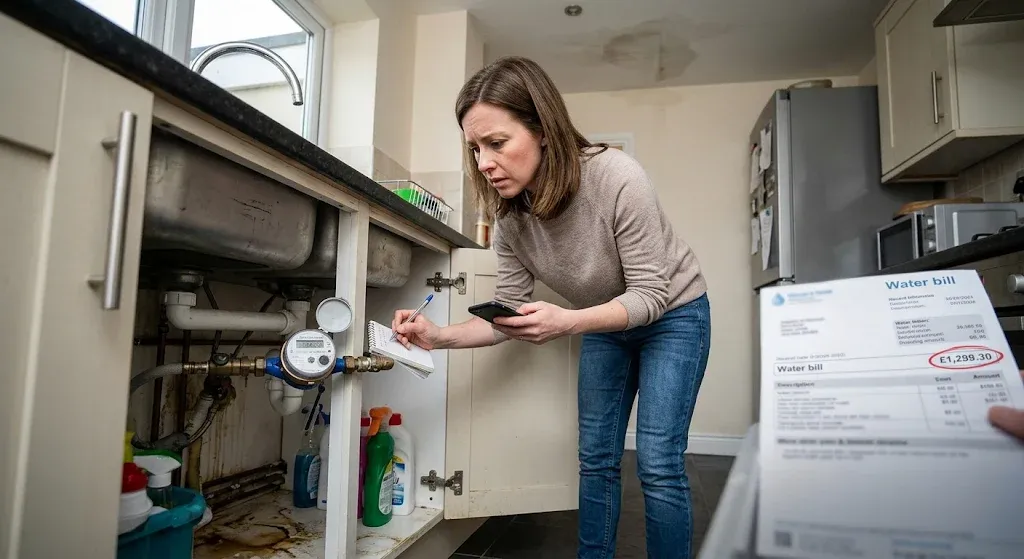
Your water meter can provide valuable clues about whether you have a hidden plumbing leak. Begin by making sure all faucets, appliances, and other water-using fixtures are switched off, then check the meter reading.
Wait around 30 minutes without using any water before checking again. If the reading has increased, water could be escaping somewhere in your plumbing system. Just make sure automatic systems, such as irrigation equipment, aren’t running during your test.
Look for Less Obvious Warning Signs
Not every leak produces a visible puddle. Sometimes, the only clues are a musty smell, peeling paint, bubbling wallpaper, or flooring that suddenly feels warped or uneven.
You might also notice reduced water pressure or hear water running when nobody is using it. These symptoms are worth investigating, especially if they appear alongside unexplained increases in your water bills.
Call in a Professional Plumber
If you’ve checked the obvious places and still can’t locate the problem, it’s time to get professional assistance. Experienced plumbers have specialized equipment and techniques that can help identify hidden leaks without unnecessarily damaging walls or floors.
For homeowners in Las Vegas, Legacy Heating, Cooling, Plumbing & Electrical offers professional plumbing services that can help investigate suspected leaks and determine the appropriate repairs. Getting expert assistance early could save you from dealing with more extensive water damage later.
Don’t Ignore the Problem
A hidden leak might seem like a minor inconvenience, but even small amounts of escaping water can gradually damage your home’s structure and encourage mold growth. The longer the problem continues, the more expensive repairs could become.
If something doesn’t seem right, trust your instincts and investigate. Finding the source early is one of the best ways to protect your home and avoid unnecessary disruption.
Related posts:
 Who Is Calling From 14075830183? What You Need to Know About This Mysterious Florida Number
 The Many Struggles of a Digital Nomad and How to Deal with Them
 Understanding Long-Term Disability Claims in Michigan and Workplace Injury Legal Support
 Canada Visa for Indians Planning a Summer in the Great White North
 How VR Porn Is Challenging Traditional Views on Sex and Connection
Leave a Reply