

Your skin can look tired, dull, and older than it should – even when you are eating well, sleeping enough, and using a moisturiser every day. One of the most common and most overlooked reasons for this is dehydration. Not dry skin. Not oily skin. Dehydration – a lack of water inside your skin cells.
Understanding what skin hydration actually means, and why it is different from simply moisturising, is one of the most useful things you can learn about skincare. If you want products built around real skin needs, explore Tezvi – one of the few cosmetic brand in India that focuses on what Indian skin actually deals with day to day.
This article explains skin hydration simply, why it matters, and what you can do to fix it if your skin has been asking for help.
What Skin Hydration Actually Means
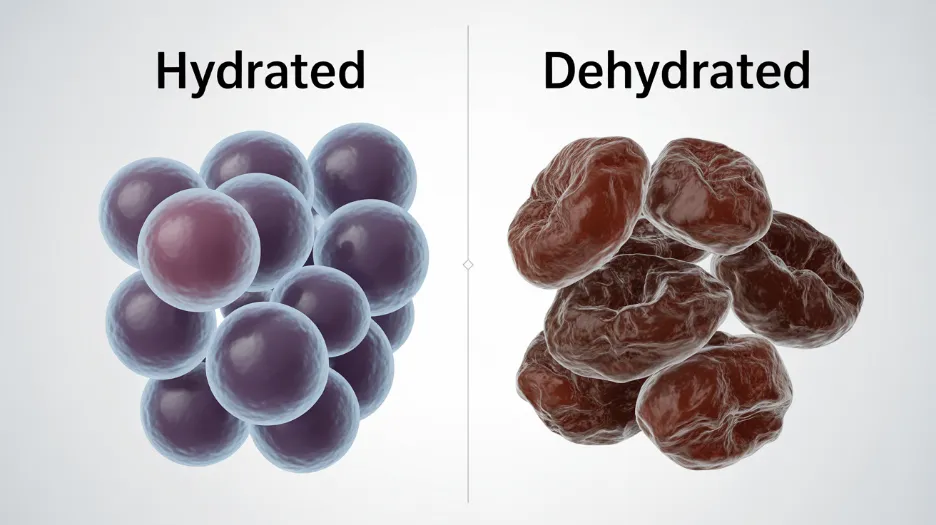
Skin hydration refers to the water content inside your skin cells. When cells are full of water, they are plump, round, and firm – like a ripe grape. When they are dehydrated, they shrink and collapse – like a raisin. That difference in your cells is visible on the surface of your face as dullness, fine lines, uneven texture, and a general lack of life.
Hydration is not the same as moisturisation, and this distinction matters more than most people realise.
Hydration means adding water to the skin. It happens through the ingredients you apply (called humectants – they pull water into the cells) and through how much water you drink and consume through food.
Moisturisation means sealing that water in. A moisturiser creates a protective layer on the skin’s surface that slows down water evaporation. It locks what is already there.
Here is the problem: if your skin does not have enough water in the first place, applying a moisturiser alone will not help much. You are sealing in an empty tank. You need to hydrate first, then moisturise on top to keep it there. Both steps are necessary – they work together, not as substitutes for each other.
The Biggest Misconception: Oily Skin Cannot Be Dehydrated
This is one of the most common skincare mistakes in India.
Many people with oily or combination skin believe they do not need to hydrate because their skin already produces enough oil. But oil and water are completely different things. Your skin can be producing excess sebum and still be severely lacking in water – simultaneously.
When skin is dehydrated, it sometimes compensates by producing even more oil. So oily, shiny skin that also looks dull, feels tight after washing, or shows fine lines around the mouth and eyes is almost certainly dehydrated.
This is especially relevant in India, where the humidity in coastal cities like Mumbai can trick you into thinking your skin has moisture, while the actual water content inside skin cells may be low due to pollution, diet, air conditioning, and other factors.
Why Skin Hydration Is So Important

When your skin has adequate water content, several things happen that directly affect how it looks and functions.
It looks younger and more alive. Dehydrated skin makes fine lines look deeper and more prominent. Properly hydrated skin reflects light evenly and looks smooth, fresh, and plump. Many people who spend on anti-aging products would see faster results simply by fixing their skin’s hydration first.
Dark circles become less visible. The under-eye skin is the thinnest on the face. When skin is dehydrated, that area becomes hollow and sunken, making the blood vessels underneath show through more prominently as dark shadows. This is why dark circles often look worse when you are dehydrated or sleep-deprived – your body pulls water away from the least critical areas first. A targeted under eye cream for dark circles helps replenish hydration in this specific zone and reduce the hollowness and puffiness that makes dark circles appear so stubborn.
Your skin barrier stays strong. The outermost layer of your skin – called the stratum corneum – acts as a protective wall. It keeps pollution, bacteria, and irritants out, and keeps moisture in. When skin is dehydrated, this barrier weakens. Suddenly your skin becomes sensitive to products it handled fine before, reacts to pollution more, and heals from pimples and damage more slowly.
Skincare products work better. Active ingredients in your serums and treatments absorb far more effectively into hydrated skin. Dry, dehydrated cells resist absorption. If your Vitamin C serum or niacinamide is not delivering results, poor hydration could be blocking it.
Oil production stays balanced. Dehydrated skin often overproduces sebum to compensate for lost water, leading to clogged pores and breakouts. Keeping skin properly hydrated helps calm this overproduction, making skin less oily and less acne-prone over time.
Signs Your Skin Is Dehydrated Right Now
The pinch test: Gently pinch a small section of skin on your cheek between two fingers. If it takes a second or two to fully bounce back to its original shape, your skin is likely dehydrated. Well-hydrated skin snaps back immediately.
Other signs to look for:
- Face looks dull even after washing and applying moisturiser
- Fine lines appear around the mouth, eyes, or forehead that look worse toward end of day
- Skin feels tight or itchy after cleansing – even if it is oily type
- Dark circles have become more pronounced recently
- Makeup sits patchy and settles into fine lines unusually fast
- Skin has a slightly grey or flat tone even in good lighting
What Causes Skin Dehydration in India
India’s climate and lifestyle create specific dehydration triggers that generic skincare advice does not account for.
Air conditioning is one of the biggest culprits. AC pulls moisture out of the air, and if you spend hours in an air-conditioned office or car, your skin is constantly losing water to the dry air around you. The skin on your face and the delicate area under your eyes is most affected.
Excess tea and coffee are staples in most Indian households but both are mild diuretics. Consuming multiple cups a day without drinking enough water in between depletes internal hydration levels, which shows directly on skin.
Hard water – common in Indian cities – leaves a mineral film on the skin after washing. This disrupts the skin’s surface barrier and accelerates moisture loss throughout the day.
Pollution damages the outer skin barrier through oxidative stress, making it harder for skin to hold onto the water it has. Urban exposure in cities like Delhi, Mumbai, or Bengaluru creates a constant, low-grade attack on skin’s hydration capacity.
Alcohol and smoking both directly dehydrate the body and the skin. Even one or two drinks depletes skin water content visibly the following morning.
Not drinking enough water – straightforward but genuinely impactful. Most Indians do not consume adequate water daily, and in summer months, the gap between fluid loss through sweat and actual intake widens significantly.
How to Keep Your Skin Properly Hydrated
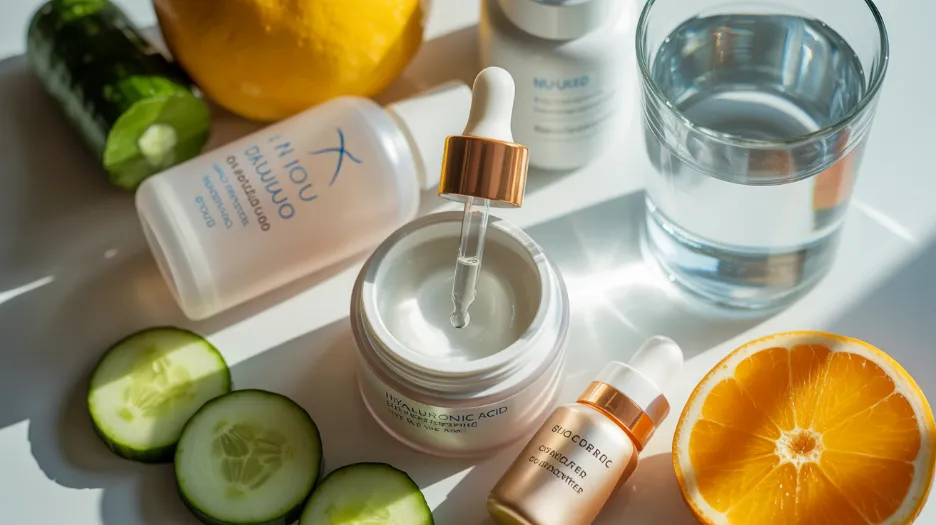
From the inside: Drink enough water throughout the day – aim for at least 8 to 10 glasses. Include water-rich foods in your diet: cucumbers, watermelon, curd, coconut water, and fresh fruits. These contribute meaningfully to your skin’s internal hydration. Have chai and coffee between meals rather than with them, and balance each cup with an extra glass of water.
From the outside – the correct order: The sequence in which you apply products matters for hydration. Always apply in this order:
- Cleanser – use a gentle, non-stripping formula. Harsh cleansers remove the natural oils that help the skin hold water.
- Hydrating serum – this is the most important step. Look for ingredients like Hyaluronic Acid (draws water into skin cells), Glycerin (another humectant that holds moisture), and Niacinamide (strengthens the barrier so water stays in longer).
- Moisturiser – applied on top to seal the hydration in. In India’s humid climate, a lightweight gel moisturiser is enough for most skin types during summer. Richer creams are more suitable in winter or in dry climates.
- Sunscreen in the morning – UV exposure degrades the skin barrier and accelerates water loss. SPF 50 daily is part of hydration maintenance.
For the under-eye area specifically: The skin here is too thin to benefit from regular face moisturiser. It needs a targeted, lightweight formula with humectants that can penetrate without causing puffiness or milia. Apply eye cream with your ring finger using a gentle tapping motion – never rubbing – to avoid stretching the delicate skin.
Frequently Asked Questions
If I drink a lot of water, do I still need hydrating skincare? Yes. Drinking water improves overall body hydration but does not directly and significantly increase skin surface hydration on its own. Both internal and topical hydration work together – you need both for results.
How quickly can skin become hydrated again after being dehydrated? Surface dehydration can improve within a few days of consistent hydrating skincare and adequate water intake. Deeper, longer-term dehydration that has affected skin texture and elasticity takes 2 to 4 weeks of consistent effort.
Can I use hyaluronic acid in a hot, humid climate like India’s? Yes, but apply it on damp skin or follow immediately with a moisturiser. In very dry indoor environments (like AC rooms), hyaluronic acid can draw water from deeper layers of skin if there is no moisture in the air. Applying on damp skin or sealing with moisturiser prevents this.
Healthy skin is, fundamentally, hydrated skin. Before adding new actives or treatments, check whether your skin is actually getting enough water – inside and out. It is one of the simplest and most impactful changes you can make to how your skin looks and feels every day.
Related posts:
 How to Align Your Mood With How You Feel in Your Skin
 How Pelvic Floor Physiotherapy Helps Men Regain Confidence With Erectile Dysfunction
 Sleep Disorders and Neurology: When to Consult a Neurologist
 Top Benefits of Choosing IV Drip Home Service for Faster Recovery and Hydration
 Fun Facts About Milk
Leave a Reply