
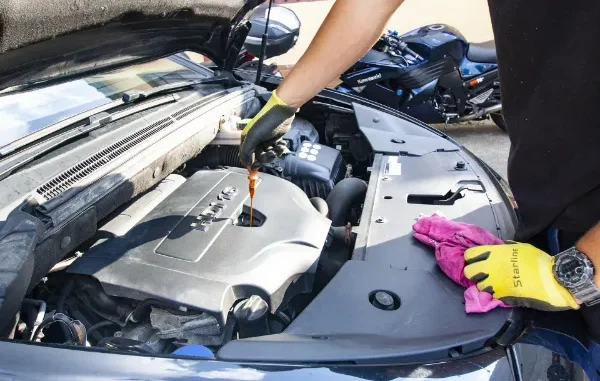
Upgrading your vehicle can be exciting. Whether you want better performance, enhanced comfort, improved safety, or a more personalized look, smart upgrades can extend your car’s lifespan and increase your driving satisfaction.
But not all modifications are created equal. Some upgrades add value. Others drain your wallet or even hurt resale potential.
If you’re considering improving your vehicle, this guide will help you make informed, practical decisions — so you upgrade the smart way.
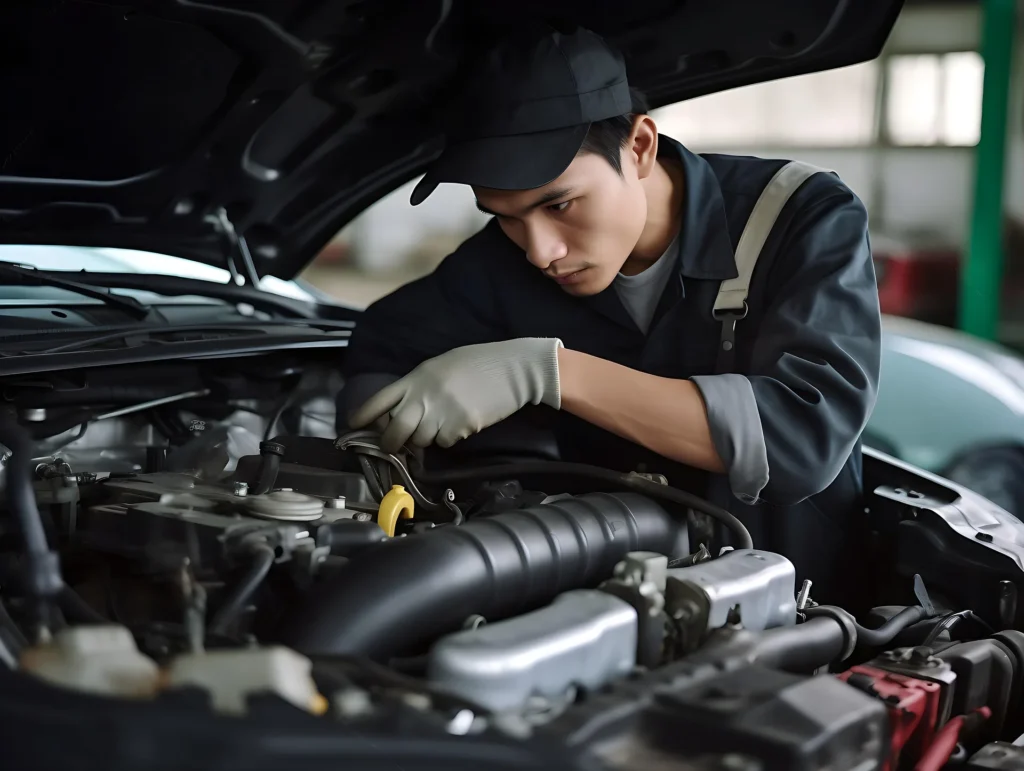
Start With a Clear Goal
Before purchasing anything, ask yourself:
- Do I want better performance?
- Am I upgrading for comfort?
- Is safety my priority?
- Am I improving resale value?
- Do I simply want a refreshed look?
Why is defining a goal important?
Because random upgrades often lead to overspending. When you define your purpose, you can prioritize improvements that align with your needs and budget.
For example:
- A daily commuter may benefit more from safety and comfort upgrades.
- An off-road enthusiast may focus on suspension and tires.
- Someone preparing to sell may prioritize cosmetic improvements.
Clarity prevents impulse purchases.
Prioritize Maintenance Before Modifications
Should I upgrade performance before handling maintenance?
No.
Before adding performance enhancements, ensure your vehicle is mechanically sound:
- Fresh fluids
- Healthy brakes
- Proper tire condition
- Updated filters
- Battery in good condition
Upgrades won’t compensate for neglected maintenance. In fact, they may strain already worn components.
Think of maintenance as the foundation of smart upgrading.
Choose Quality Parts Over Cheap Alternatives
When upgrading, quality matters more than quantity.
Lower-cost aftermarket parts may seem attractive, but they can:
- Wear out quickly
- Void warranties
- Affect performance negatively
- Reduce resale value
For example, using OEM Mopar Parts and Accessories ensures compatibility, durability, and manufacturer-backed quality for vehicles within that brand family.
Are OEM parts always better?
OEM (Original Equipment Manufacturer) parts are designed specifically for your vehicle. They offer:
- Guaranteed fit
- Reliable performance
- Preserved warranty (in many cases)
- Higher resale confidence
Aftermarket parts can also be excellent — but research thoroughly before purchasing.
Upgrade Safety Features First
Safety upgrades are always a smart investment.
Consider:
- Backup cameras (if not factory-installed)
- Blind-spot monitoring systems
- Dash cams
- High-quality tires
- Upgraded headlights (LED or HID where compatible)
Do safety upgrades increase resale value?
Often, yes — especially if they enhance everyday usability. Modern buyers appreciate vehicles that feel current and secure.
Better tires alone can significantly improve handling and braking performance.
Improve Comfort for Daily Driving
If you spend significant time in your vehicle, comfort upgrades can dramatically improve your experience.
Options include:
- Seat covers or upgraded upholstery
- Improved sound systems
- Apple CarPlay or Android Auto integration
- Window tint (where legal)
- Steering wheel upgrades
Are tech upgrades worth it?
Modern connectivity features can increase both convenience and resale appeal. Buyers increasingly expect smartphone integration and user-friendly infotainment systems.
However, ensure installations are clean and professionally done to avoid electrical issues.
Be Strategic With Performance Modifications
Performance upgrades can be rewarding — but they require careful planning.
Common upgrades include:
- Cold air intakes
- Performance exhaust systems
- Suspension improvements
- Tuning or ECU adjustments
Do performance upgrades hurt reliability?
They can — if not installed properly or if they push your engine beyond safe limits.
Always:
- Research compatibility
- Use trusted brands
- Consider professional installation
- Understand warranty implications
Moderation is key. Over-modification can reduce longevity.
Don’t Overlook Aesthetic Enhancements
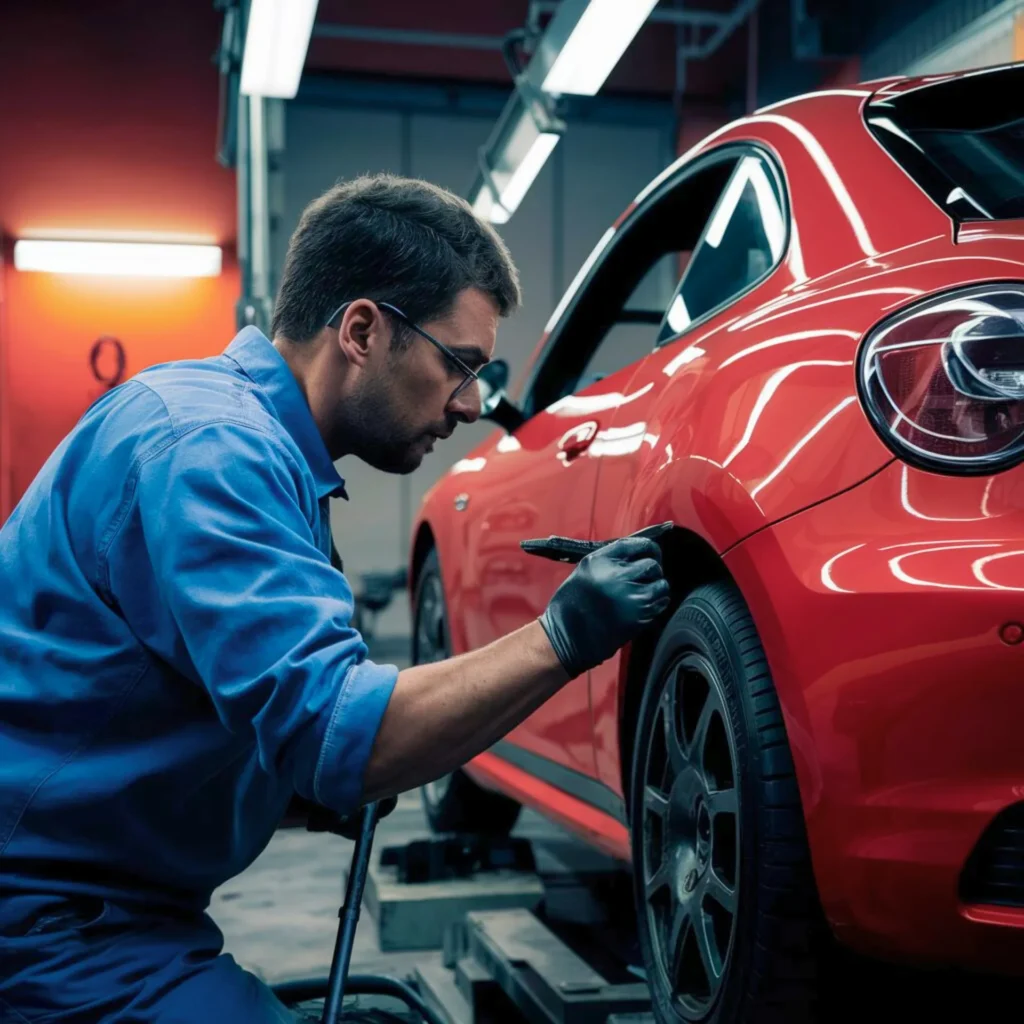
Cosmetic upgrades can refresh your vehicle’s appearance without major investment.
Affordable improvements include:
- Professional detailing
- Paint correction
- New wheels
- Updated grille designs
- Interior trim upgrades
Do cosmetic upgrades increase resale value?
They can improve perceived value. A well-maintained, clean vehicle often sells faster than one with visible wear.
However, extreme personalization (bold wraps, unusual body kits) may narrow your buyer pool.
Aim for tasteful upgrades that appeal broadly.
Protect Your Investment
Sometimes the smartest upgrade is preventative.
Consider:
- All-weather floor mats
- Paint protection film
- Ceramic coating
- Seat protectors
- Rust prevention treatments
These additions help maintain your vehicle’s condition — which protects long-term value.
Is paint protection worth it?
If you plan to keep your vehicle long-term or want strong resale value, protective treatments can preserve the exterior from chips and fading.
Plan Your Budget Carefully
Upgrades add up quickly.
Before starting:
- Set a total budget.
- Prioritize improvements.
- Research installation costs.
- Leave room for unexpected expenses.
Should I finance upgrades?
Generally, financing modifications isn’t recommended unless they significantly enhance functionality or safety. Avoid going into debt for cosmetic changes.
Think About Resale
Even if you don’t plan to sell soon, future value matters.
Smart resale-friendly upgrades:
- Factory-style enhancements
- Quality wheels
- Updated tech systems
- Clean, neutral interior modifications
Risky resale choices:
- Loud exhaust systems
- Highly customized paint
- Extreme suspension lowering
- Aggressive tuning
Ask yourself: Would the average buyer appreciate this?
Consider Professional Installation
Some upgrades are DIY-friendly. Others require expertise.
Professional installation:
- Reduces risk of damage
- Ensures proper wiring and fitment
- Preserves warranties
- Improves long-term reliability
How do I choose a trustworthy installer?
Look for:
- Positive reviews
- Certifications
- Transparent pricing
- Written estimates
- Warranty on labor
Quality installation protects your investment.
Avoid These Common Mistakes
When upgrading your vehicle, avoid:
- Ignoring maintenance first
- Choosing cheap, low-quality parts
- Over-customizing
- Skipping research
- Forgetting insurance implications
- Failing to notify your insurer of major modifications
Smart upgrades enhance — not complicate — ownership.
Final Thoughts: Upgrade With Intention
Upgrading your vehicle the smart way isn’t about adding as many features as possible. It’s about intentional improvements that match your lifestyle, driving habits, and long-term goals.
Focus on:
- Safety first
- Quality parts
- Proper installation
- Balanced performance
- Resale awareness
- Budget discipline
When done thoughtfully, upgrades can improve reliability, comfort, performance, and even long-term value.
The smartest vehicle upgrades aren’t the flashiest. They’re the ones that make your car safer, more enjoyable, and better suited to your everyday life.
Upgrade with purpose — and you’ll enjoy the road ahead even more.
Related posts:
 AI Photo Generators Elevate Your Editing Without Quality Loss
 Avatar vs. Human: Who’s Better at Explaining Your Product in 30 Seconds?
 Can Treasury Management Software Make Borrowing Safer and Smarter?
 Water Damage Restoration Service Lanham: Fast & Efficient
 Voyage Through Time: When will Time Travel be Possible
Leave a Reply