

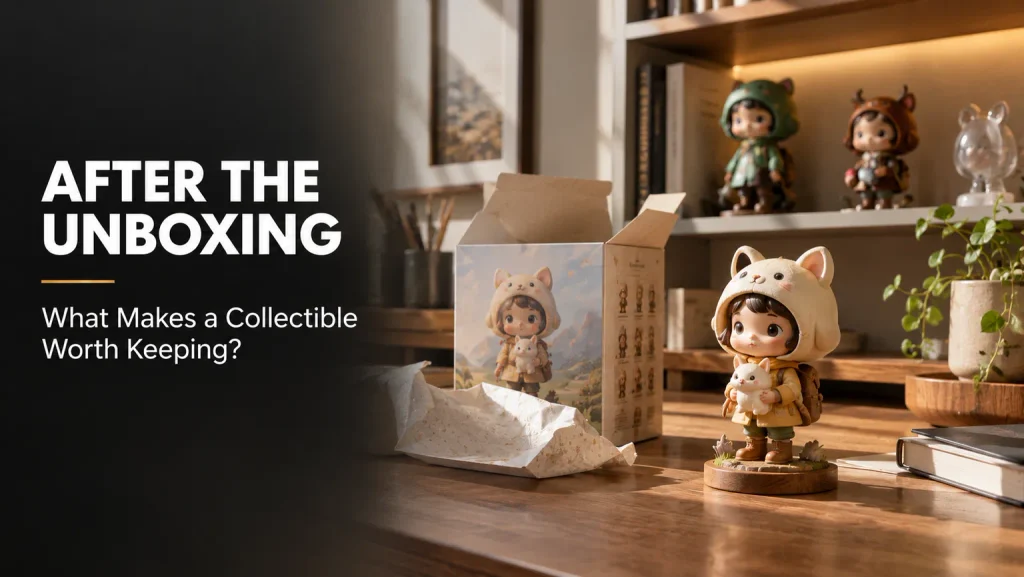
Opening a new collectible can be an exciting experience. The packaging creates anticipation, and the moment of discovering what is inside can make the purchase feel special. This is one reason a blind box can appeal to collectors who enjoy surprise designs and the chance to discover a new character. But once the packaging is open and the excitement settles, another question comes up: what makes the item worth keeping?
For some people, the answer is simple. They love the character, appreciate the design, or feel happy having it in their collection. Others may take a closer look and decide whether the item fits their interests, display space, or collecting goals. Collectors exploring character merchandise can discover different options from Planet Pop World, while readers interested in blind box products can follow them to explore relevant items.
The unboxing is only one part of the experience. A collectible that remains meaningful long after its packaging is discarded has a different kind of appeal. Its value may come from personal memories, visual design, emotional connection, or the enjoyment it brings to everyday life.
The First Impression Is Not Everything
The first few minutes after opening a collectible can influence how someone feels about it. A surprising design may create immediate excitement, while an unexpected character might cause disappointment. However, these first reactions do not always determine whether the item will become a favorite.
Sometimes, a figure grows on its owner over time. Small details become more noticeable, its expression starts to feel appealing, or it looks better when placed alongside other pieces. An item that was not an immediate favorite may eventually become an important part of the collection.
The opposite can also happen. A collectible may look impressive when first opened but lose its appeal after a few days. The excitement of getting something new fades, and the owner realizes that the item does not hold much personal interest.
This is a normal part of collecting. Not every purchase needs to become a long-term favorite, and not every first impression needs to be permanent.
Giving an item a little time before deciding what to do with it can help collectors make more thoughtful choices.
A Personal Connection Makes a Difference
One of the strongest reasons to keep a collectible is the connection someone feels with it. The item may represent a favorite character, a memorable story, or an interest that has stayed with them for years.
For example, a figure from a beloved animated series may remind its owner of watching the show with family or friends. A character with a funny expression might simply make someone smile whenever they see it. These connections can make an ordinary object feel more meaningful.
The connection does not have to come from a movie or television series, either. Some people enjoy collectibles because of their colors, shapes, or overall style. Others appreciate the creativity behind a design or enjoy how it fits into their home.
Personal value is difficult to measure because everyone responds to objects differently. A collectible that seems ordinary to one person may be especially meaningful to another.
This is why collectors should not feel pressured to keep an item simply because it is popular. The most satisfying pieces are often the ones that match their own interests.
Look Beyond the Character to the Design
A collectible can be worth keeping because of its visual appeal, even when the owner has no strong attachment to the character it represents.
The shape, color, texture, and expression of a figure can all influence how it looks. Some designs are simple and clean, while others use unusual proportions or playful details. These features can make an item interesting to display or enjoyable to examine more closely.
Design also affects how a collectible fits into a larger collection. A figure may look good beside similar characters, while another may stand out because it has a different style. Some collectors enjoy creating displays based on color, size, or theme, allowing each piece to contribute to the overall arrangement.
The same idea applies to soft collectibles. A plush toy may be worth keeping because of its soft texture, appealing expression, or decorative look. It might sit on a bed, decorate a shelf, or become a comforting item to keep nearby.
When deciding whether to keep an item, consider whether you enjoy looking at it or interacting with it. If its design continues to appeal to you after the initial excitement has passed, that is a good reason to give it a place in your collection.
Does It Fit Your Collection?
A new collectible can be appealing on its own but feel out of place among the items someone already owns. This does not automatically mean it should be removed, but it is worth considering how it fits into the bigger picture.
Some collectors build their collections around a specific character, series, or design style. Others prefer a mix of items that reflect different interests. Both approaches can work, provided the collection feels enjoyable to its owner.
A simple way to decide is to ask a few questions:
- Does this item connect with a character or theme I enjoy?
- Do I like its appearance enough to display it?
- Does it work with the other items I own?
- Do I have a suitable place to keep it?
- Would I still want it if it were not new?
These questions can help separate lasting interest from the excitement of making a fresh purchase.
However, a collection does not have to follow strict rules. An unusual piece may add variety to a display, even if it does not match everything else. The goal is to create a collection that reflects personal taste rather than forcing every item into a perfect theme.
Rarity Does Not Always Mean Lasting Value
Some collectors are drawn to limited releases, unusual designs, or items that are difficult to find. Rarity can make a collectible feel special, particularly when someone has spent time searching for it.
However, an item does not automatically become meaningful because it is rare. If a figure does not appeal to its owner, its limited availability may not be enough to justify keeping it.
It is also important to distinguish personal value from resale value. A collectible’s market price may depend on demand, condition, availability, and other factors. Prices can change, and there is no guarantee that an item will become more valuable over time.
For collectors who enjoy the hobby for personal reasons, the experience of owning and displaying an item may matter more than its potential selling price.
Keeping something only because it might be worth more later can also take up space that could be used for items the owner genuinely enjoys.
Instead of focusing entirely on rarity, consider whether the collectible has qualities that make it worth keeping for you. A common figure that brings back a happy memory can be more satisfying than a rare item that stays hidden in a box.
Give Your Collectibles a Place in Everyday Life
Sometimes, an item becomes more enjoyable once it has a place in the home. A figure on a desk, a character on a bookshelf, or a soft toy on a bed can become part of the owner’s daily surroundings.
Displaying collectibles also gives people a chance to appreciate them beyond the unboxing moment. They can notice details they missed at first, rearrange items to create a better display, or combine different pieces in new ways.
Space is still important. A growing collection can become difficult to manage if every item is kept out at once. Choosing a few favorites for display and storing the rest safely can help maintain an organized space.
Collectors can also rotate their displays over time. This gives different items a chance to stand out without requiring additional shelves or storage.
If a collectible is fragile, keep it somewhere safe from accidental damage. For soft toys, regular care and suitable storage can help maintain their appearance.
A collectible does not need to remain on display every day to be worth keeping. Some items are meaningful because they are brought out occasionally or remind their owners of a particular time in their lives.
When Is It Time to Let an Item Go?
Not every collectible needs to stay in a collection forever. Interests change, space becomes limited, and some items may lose their appeal. Letting go of a piece does not mean the original purchase was a mistake.
If an item no longer brings enjoyment, does not fit your interests, or has been sitting unused for a long time, you can consider passing it on, gifting it, or selling it if there is a suitable buyer.
It can help to avoid making the decision immediately after opening a surprise item. Give yourself time to decide whether your first reaction changes. But if you consistently feel no connection with it, there is no need to keep it out of obligation.
The purpose of collecting is to enjoy the items you choose to own. Keeping every piece can make that harder if the collection becomes crowded or starts to feel like a responsibility.
Final Thoughts
The unboxing may create the first moment of excitement, but it is not the only thing that makes a collectible worth keeping. Personal connection, thoughtful design, memories, and everyday enjoyment can all give an item lasting appeal.
A collectible does not need to be rare, expensive, or part of a complete set to deserve a place in your home. It simply needs to offer something you appreciate, whether that is a favorite character, an interesting design, or a small reminder of a story you love.
Take time to understand what you enjoy about each item. Display the pieces that matter, store them with care, and let go of those that no longer fit your interests when necessary.
In the end, a good collection is not defined by how many items it contains. It is defined by how much you enjoy the ones you choose to keep.
Related posts:
 Understanding Long-Term Disability Claims in Michigan and Workplace Injury Legal Support
 Canada Visa for Indians Planning a Summer in the Great White North
 How VR Porn Is Challenging Traditional Views on Sex and Connection
 Creative Ways To Use Your Outdoor Space
 The Biggest Furniture Trends in the US Right Now (And It’s Not What You Think)
Leave a Reply