
It usually happens at the worst possible time.
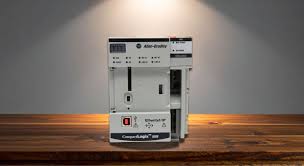
A line goes down. Production stalls. Someone checks the panel, and there it is. A controller that hasn’t been manufactured in years blinking like it knows it’s about to ruin your week.
You search the part number.
“Discontinued.”
Of course it is.
Obsolete Doesn’t Mean Useless, It Means Harder to Find
Industrial systems don’t age like consumer tech. They linger. They keep working long after manufacturers move on.
And that’s especially true with Allen Bradley PLC systems. These controllers are known for durability, which is great, until you need a replacement part that hasn’t been produced in a decade.
The challenge isn’t just finding the part.
It’s finding one that actually works.
The Risk Is Real: Not All “Available” Parts Are Equal
Quick search. Dozens of listings. Prices all over the place.
Tempting? Sure.
Safe? Not always.
The secondary market for obsolete PLC components is crowded, and inconsistent. You’ll run into:
- Used parts with unknown histories
- Counterfeit units labeled as genuine
- Components pulled from failed systems
- Sellers who can’t verify functionality
And here’s the kicker: installing a faulty PLC part doesn’t just waste money, it risks downtime, safety issues, and system-wide failure.
So yeah, this isn’t a “click and hope” situation.
Step One: Know Exactly What You Need (No Guessing)
Before you even think about sourcing, confirm:
- Exact part number (including revisions)
- Compatibility with your existing system
- Firmware requirements
Close enough isn’t good enough here.
Even slight mismatches can cause communication errors or full system incompatibility. And when you’re dealing with legacy automation, those issues aren’t always easy to troubleshoot.
Step Two: Choose Specialized Suppliers, Not General Marketplaces
This is where most people go wrong.
Generic marketplaces prioritize volume. Specialized suppliers prioritize reliability.
There’s a difference.
Companies that focus on obsolete industrial automation parts typically:
- Test components before resale
- Provide warranties
- Verify authenticity
- Offer technical support
That last one matters more than you think, especially when you’re dealing with older systems that don’t have modern documentation readily available.
If you’re sourcing an Allen Bradley PLC component, working with a dedicated supplier like classicautomation.com can significantly reduce risk while improving your chances of getting a functional, compatible part.
Testing and Certification: Non-Negotiable
A listing that says “tested” should actually mean something.
Reputable suppliers will:
- Perform functional testing under load conditions
- Inspect for physical damage or wear
- Replace or refurbish key components if needed
- Document the testing process
If that information isn’t available, or feels vague, that’s your signal to move on.
Because “untested” is just another way of saying “you’re taking the risk.”
Lead Time vs. Downtime: The Trade-Off You Need to Manage
When a system is down, speed matters.
But rushing into a bad purchase can cost more than waiting for a reliable one.
Here’s the balance:
- Emergency? Look for verified stock with expedited shipping
- Planned maintenance? Take time to source the best-quality part
Some suppliers even offer advance replacement programs or core exchanges, helping you minimize downtime without sacrificing quality.
Consider Refurbished Over “New Old Stock”
“New old stock” sounds appealing. Unused. Original packaging. Clean.
But age matters.
Components sitting on a shelf for years can degrade, especially capacitors and internal electronics.
Refurbished parts, when done properly, are often more reliable because they’ve been:
- Tested
- Updated
- Verified for current performance standards
Counterintuitive, maybe. But practical.
Documentation and Support Still Matter (Even in 2026)
Legacy systems don’t come with sleek dashboards or AI diagnostics.
So when something goes wrong, you need access to:
- Manuals
- Technical specs
- Human support
Good suppliers don’t just ship parts, they help you understand and integrate them.
And in a high-stakes environment, that support can save hours (or days) of troubleshooting.
Final Thought: You’re Not Just Buying a Part, You’re Buying Certainty
When sourcing obsolete PLC components, the goal isn’t just to find the part.
It’s to install it once… and move on.
No surprises. No second guesses. No repeat failures.
Because in industrial operations, certainty isn’t a luxury, it’s the whole point.
And when the line is down, that’s the only thing that really matters.





Leave a Reply