
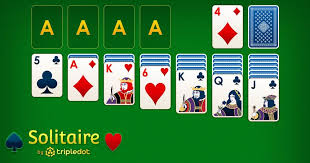
Everyday entertainment does not always need a complicated setup, a long time commitment, or a detailed plan. Sometimes, a familiar activity is enough to make a spare moment more enjoyable. Solitaire fits this kind of routine because its basic rules are easy to learn, while each game offers a different arrangement to work through.
Why Simple Entertainment Has a Place in Daily Life
Simple entertainment is appealing because people can enjoy it without spending much time preparing or learning complicated instructions. Activities with familiar rules are easy to fit into everyday routines, whether someone has a few spare minutes at home or wants a low-effort way to fill a quiet period.
Daily schedules often leave small gaps between responsibilities. Someone might finish a task early, wait for an appointment, or take a short pause before starting something else. These moments do not always call for a major activity. A straightforward pastime can be enough.
The appeal of simple entertainment is not that it must be better than more involved hobbies. Rather, it offers another option. Reading a book, listening to music, preparing a meal, and playing a familiar game all suit different circumstances. The best choice depends on a person’s available time, interests, and surroundings.
Solitaire belongs in this category because the basic objective is recognizable: arrange cards according to the rules of the selected version. Players can begin with a simple understanding of the game and gradually become more familiar with its decisions. There is no need to turn every session into a serious challenge.
Familiar Rules Make It Easier to Get Started
An activity becomes easier to approach when its central rules are understandable from the beginning. In Solitaire, players learn how cards can be moved, where sequences belong, and what the game requires them to achieve. With practice, these familiar elements make starting another game feel more straightforward.
Many games introduce players to several systems, controls, or objectives before they can participate comfortably. Solitaire can be more direct. In a standard version, players work with a card layout and move cards according to specific rules, aiming to build the required sequences or foundations.
That does not mean every move is obvious. Players still need to notice which cards are available, identify possible moves, and decide whether to reveal a hidden card or make progress elsewhere. The rules provide a framework, while the current layout determines the choices available in that particular game.
New players can start by learning one version rather than trying to understand every variation at once. Once the basic movement rules become familiar, it is easier to recognize how different layouts change the experience.
This gradual learning process also makes the game suitable for different experience levels. Beginners can concentrate on legal moves and the objective, while experienced players can pay closer attention to the order of their decisions.
A Different Layout Makes Each Game Its Own Experience
Although the rules of a Solitaire variation remain consistent, the arrangement of cards changes the decisions players face. Each layout creates its own set of available moves and possible sequences, giving the activity variety without requiring players to learn an entirely new game every time they begin.
The starting arrangement plays an important role in how a game develops. One layout may offer several visible options, while another may require players to uncover cards before they can see a useful path forward. A move that works well in one situation might be less helpful in another.
This changing structure gives a familiar activity a degree of variety. Players can return to the same version while encountering different combinations of cards and decisions. The experience is recognizable, but it does not have to feel identical from one session to the next.
Players may also notice different aspects of the game as they gain experience. At first, attention might center on making any legal move. Later, they may begin to consider whether a move will uncover a hidden card, preserve a useful sequence, or leave more options available.
There is no requirement to analyze every possibility. Some people enjoy thinking carefully about the layout, while others prefer a more relaxed approach. The rules allow room for both styles.
Choosing an Activity That Fits the Moment
The most suitable everyday activity depends on the time available, the setting, and the kind of experience someone wants. Solitaire can work when a person wants an individual pastime with clear rules and a manageable objective, but it can be set aside whenever another responsibility or activity needs attention.
A short game may suit a brief pause, while a longer session can offer more time to explore the layout and consider different moves. Players do not need to make the activity part of a strict schedule. It can remain an occasional option whenever it fits naturally.
The surrounding environment can shape the experience, too. Someone at home may prefer to play at a desk, while another person may use a compatible device during a quiet break. Choosing a comfortable setting and avoiding distractions can make it easier to focus on the game itself.
It is also useful to keep expectations realistic. A game does not need to improve productivity or achieve a particular result to be worthwhile. Entertainment can simply be entertainment. If a session stops being enjoyable, taking a break or choosing something else is perfectly reasonable.
For people who appreciate this straightforward approach, solitaire offers an online way to explore a familiar card-game pastime without making entertainment more complicated than it needs to be.
Keeping Everyday Play Enjoyable
Solitaire is easiest to enjoy when players treat it as an optional pastime rather than another task to complete. Learning the rules, exploring different layouts, and deciding when to stop can help keep the experience comfortable, flexible, and suited to the purpose of casual entertainment.
A few simple habits can make a session more pleasant. Start with a version whose rules are easy to follow, take time to understand the available moves, and accept that some layouts may be more challenging than others. There is no need to rush through decisions or measure every session by whether it ends in a win.
It can also help to vary leisure activities. Solitaire might suit one moment, while a walk, a conversation, a book, or music might be a better choice at another time. Having several options makes it easier to choose something that matches a person’s mood and circumstances.
Ultimately, the appeal of simple everyday entertainment lies in its accessibility. It does not have to demand extensive preparation or become a major commitment. With recognizable rules and changing card layouts, Solitaire offers a familiar activity that people can return to whenever it suits them.
Related posts:
 Longhornsurvey com The Online Survey Platform
 Why Siding Plays a Key Role in Reducing Exterior Maintenance Throughout the Year
 The Ultimate Guide to Building Your Signature Personal Style
 Zach Bryan Merch and the Art of Building a Concert-Ready Wardrobe
 Smart Landscaping in Victoria BC: Irrigation, Drainage Planning and Low-Maintenance Yards
Leave a Reply