

Buildings are no longer just concrete, steel, and glass. In 2026, smart buildings function like connected ecosystems. Lights adjust based on occupancy, security systems react instantly, and energy management platforms optimize power usage automatically. Behind all of this intelligence is one essential foundation: structured cabling.
Without strong network infrastructure, smart technology cannot perform reliably. Every sensor, controller, and monitoring system depends on stable communication. This is why experienced planners focus on cabling first, not last.
Smart buildings are only as strong as the network behind them.
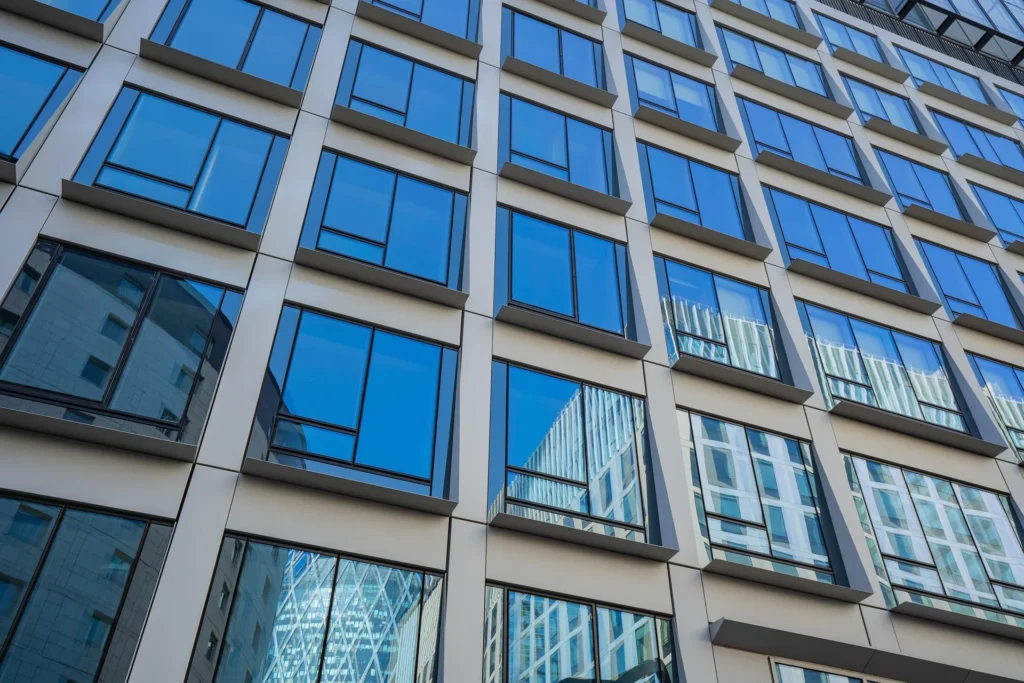
What Makes a Building Smart
A smart building uses connected systems to collect data, respond automatically, and improve efficiency. These systems communicate constantly through sensors, controllers, and central management platforms.
For example, HVAC systems adjust temperature based on room occupancy. Security systems monitor access points in real time. Lighting systems reduce energy waste by responding to movement and daylight levels.
When connectivity becomes unstable, these systems lose their intelligence. Automation slows down, monitoring becomes unreliable, and maintenance costs increase. Structured cabling prevents these issues by creating a dependable communication path for every connected system.
Structured Cabling as the Foundation
Structured cabling works like the nervous system of a smart building. It creates an organized network that connects every device through planned pathways instead of random point-to-point wiring.
This approach improves performance and simplifies future maintenance. Technicians can locate issues faster, upgrades become easier, and system downtime is reduced.
From practical project experience, poor cable planning often leads to expensive retrofits later. Cheap short-term decisions usually create bigger long-term problems.
Working with an experienced network cable distributor helps building owners avoid these mistakes. Expert suppliers guide decisions on cable type, safety compliance, shielding needs, and long-term scalability.
Systems That Depend on Cabling

Smart buildings connect many different systems at once. These systems must operate smoothly without causing congestion or interference across the network.
Some of the most common systems include:
- Building automation controls
- Security cameras and surveillance systems
- Lighting controls and occupancy sensors
- Fire alarms and life safety monitoring
- Energy management platforms
- Access control and visitor systems
A structured cabling system allows these services to work independently while sharing the same infrastructure efficiently.
Why Vertical Connectivity Matters
Smart buildings usually extend across multiple floors. This makes vertical cabling one of the most important parts of network planning. Floor-to-floor pathways carry large amounts of traffic and require both performance and compliance.
Floor-to-Floor Performance
Vertical runs must maintain strong signal quality over longer distances. Weak cabling can cause interruptions between floors, especially in buildings with dense device usage.
Fire Safety Requirements
Vertical shafts and riser spaces must follow strict fire safety codes. Using the wrong cable type can create major compliance risks and serious safety concerns.
Long-Term Scalability
As smart systems grow, vertical pathways must support increased bandwidth without needing full replacement.
Because of these needs, many commercial projects depend on Cat6 riser cable for reliable vertical connectivity. It supports strong performance while meeting riser space safety standards.
Power Efficiency and Lower Costs
Modern smart buildings rely heavily on Power over Ethernet. Devices like access points, IP cameras, and sensors often receive both data and power through one cable.
Higher-quality cabling reduces resistance and heat buildup. This improves power delivery, protects connected devices, and lowers energy waste.
Well-planned cabling also reduces maintenance costs. Technicians spend less time troubleshooting and more time improving system performance.
In real commercial projects, organized infrastructure often saves more money over time than businesses expect. Reliable cabling becomes one of the most cost-effective investments in the entire building.
Preparing for Future Technology
Smart infrastructure keeps evolving. New technologies such as predictive maintenance, AI-driven monitoring, and advanced occupancy analytics continue to increase network demands.
Buildings designed with scalable structured cabling can adapt without major disruption. New devices can be added faster, and upgrades happen without tearing apart existing systems.
Future-proofing does not mean predicting every innovation. It means building a strong enough foundation to support whatever comes next.
Final Verdict
Smart buildings depend on more than advanced devices. They require a network-ready infrastructure built on strong structured cabling.
From automation and security to energy efficiency and safety, every system depends on stable connectivity. This is why experienced planners prioritize structured cabling from the beginning.
Structured cabling remains the backbone that turns modern buildings into truly smart environments.
Related posts:
 Voyage Through Time: When will Time Travel be Possible
 Water Damage Restoration Service Lanham: Fast & Efficient
 What Does C3PAO Mean for the Future of Risk Management?
 Creating Stunning Face Swap Videos with AI: How to Use Face Swap Video Tools for Free
 The Complete Guide to Using Telegram for Secure and Smart Communication
Leave a Reply